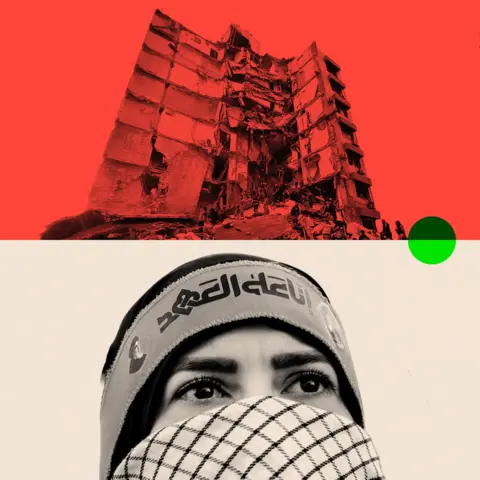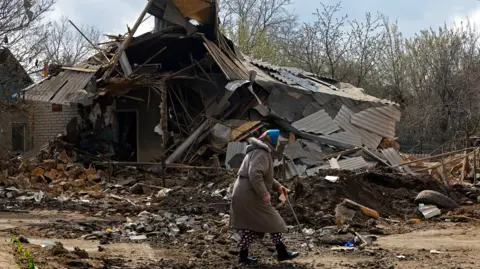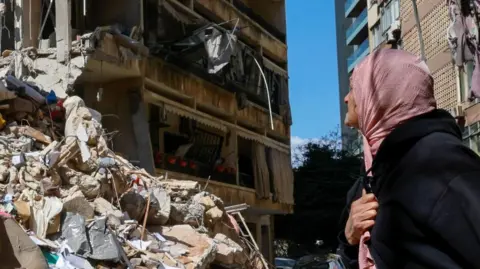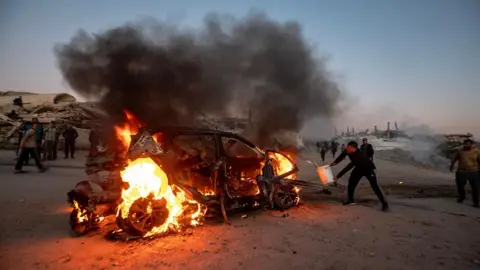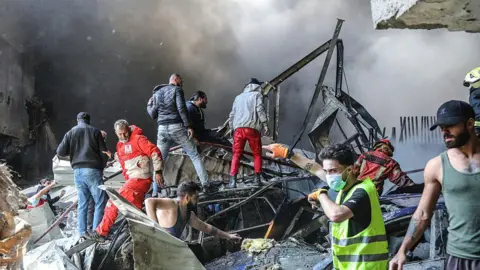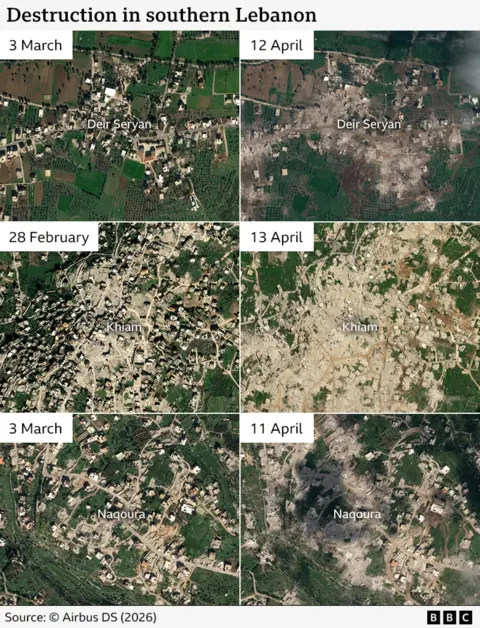
Towns and villages in southern Lebanon are being leveled by Israeli demolitions, satellite images and videos obtained by BBC Verify reveal. BBC Verify analysis found more than 1,400 buildings had been destroyed since 2 March, based on verified visual evidence. This is just a snapshot of the overall damage caused by Israeli air strikes and demolitions, because of limited access on the ground and available satellite imagery. The true scale is likely to be much higher.
Israel's systematic demolition of these structures follows Defence Minister Israel Katz's order on 22 March to 'accelerate the destruction of Lebanese homes' near the Israeli border, as part of its campaign against Hezbollah. Experts have opined that these actions may amount to a war crime under international law. The Israel Defense Forces (IDF) asserted that it operates in compliance with the Law of Armed Conflict, only permitting destruction under military necessity. It also noted Hezbollah's alleged embedding of military infrastructure within civilian areas in the region.
On 2 March, Hezbollah retaliated against the killing of Iran's supreme leader with rockets and drones directed at Israel, prompting a swift response from the IDF with ground operations throughout southern Lebanon. Evacuations of civilians were initiated in the vicinity of the border, with some 1.2 million people displaced as a consequence of the ongoing conflict.
The demolitions have particularly impacted towns like Taybeh, where satellite images indicate that over 400 buildings, including a mosque, have been leveled. A comprehensive analysis reveals coordinated explosions engulfing several buildings in neighboring towns, such as Khiam and Aita al-Shaab. The scale of destruction has rendered many areas unrecognizable, provoking international concern regarding the humanitarian implications and legality of Israel's military tactics.
Multiple international law experts have elaborated that the indiscriminate destruction of property could violate international humanitarian law, unless justified by a pressing military necessity. As tensions continue, the ramifications of these demolitions resonate beyond physical structures, affecting the communal and cultural fabric of southern Lebanese society.
Israel's systematic demolition of these structures follows Defence Minister Israel Katz's order on 22 March to 'accelerate the destruction of Lebanese homes' near the Israeli border, as part of its campaign against Hezbollah. Experts have opined that these actions may amount to a war crime under international law. The Israel Defense Forces (IDF) asserted that it operates in compliance with the Law of Armed Conflict, only permitting destruction under military necessity. It also noted Hezbollah's alleged embedding of military infrastructure within civilian areas in the region.
On 2 March, Hezbollah retaliated against the killing of Iran's supreme leader with rockets and drones directed at Israel, prompting a swift response from the IDF with ground operations throughout southern Lebanon. Evacuations of civilians were initiated in the vicinity of the border, with some 1.2 million people displaced as a consequence of the ongoing conflict.
The demolitions have particularly impacted towns like Taybeh, where satellite images indicate that over 400 buildings, including a mosque, have been leveled. A comprehensive analysis reveals coordinated explosions engulfing several buildings in neighboring towns, such as Khiam and Aita al-Shaab. The scale of destruction has rendered many areas unrecognizable, provoking international concern regarding the humanitarian implications and legality of Israel's military tactics.
Multiple international law experts have elaborated that the indiscriminate destruction of property could violate international humanitarian law, unless justified by a pressing military necessity. As tensions continue, the ramifications of these demolitions resonate beyond physical structures, affecting the communal and cultural fabric of southern Lebanese society.