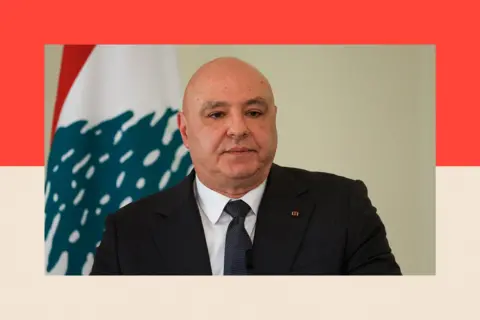
Lebanon finds itself in tumultuous times, grappling with a series of conflicts that put its quest for peace and stability at risk. In recent discussions with President Joseph Aoun, I recalled the challenges he faces as he seeks to address the grip of Hezbollah—a militia influential in Lebanon's political landscape—while advocating for the nation’s disarmament process.
During our meeting last August, Aoun expressed a hopeful optimism about disarming Hezbollah, which had seen its power falter after years of conflict. However, as he remarked, 'Disarmament can't be done by force.' This sentiment took place amid a fragile ceasefire that remained effective since November 2024, yet was frequently interrupted by Israeli incursions targeting Hezbollah.
As Hezbollah remains seen by its supporters as a bulwark against external threats, Aoun's administration finds itself in a precarious position. The recent death of Iran’s Supreme Leader Ayatollah Ali Khamenei has further complicated the scenario—with Hezbollah retaliating against Israeli aggression that followed his death.
Despite negotiations envisioned between Israel and Lebanon, skepticism about the Lebanese government's capacity to influence Hezbollah’s disarmament looms large, particularly as the group’s leadership openly refuses to entertain discussions about relinquishing their military capabilities.
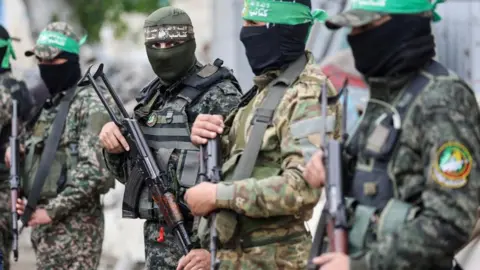
The historical context of Hezbollah's military origins during Israel’s occupation of Lebanon and its sustained backing by Iran adds layers to the conflict dynamics.
In his public statements, Aoun has acknowledged the risks posed by forcibly disarming Hezbollah, emphasizing the need for a diplomatic approach rather than military confrontation that could plunge Lebanon back into civil discord.
Public sentiment in Lebanon reflects a yearning for a return to peace, with a Gallup poll indicating a strong desire among the populace for a state monopoly on arms, emphasizing the need for a unified security force to replace fragmented militias. Yet, while two-thirds of Lebanese Muslims reportedly advocate for disarmament, a substantial proportion of Shia respondents oppose this measure, highlighting deep sectarian divides over security and identity.
As peace talks falter and tensions mount, Lebanon’s cries for stability are increasingly drowned out by the escalating Israeli military operations and Hezbollah's steadfast commitment to its ideological battle against perceived aggressors. With both national and international dynamics at play, the struggle for Lebanon's peace continues, posing questions about the efficacy of diplomatic efforts in the shadow of ongoing violence.
During our meeting last August, Aoun expressed a hopeful optimism about disarming Hezbollah, which had seen its power falter after years of conflict. However, as he remarked, 'Disarmament can't be done by force.' This sentiment took place amid a fragile ceasefire that remained effective since November 2024, yet was frequently interrupted by Israeli incursions targeting Hezbollah.
As Hezbollah remains seen by its supporters as a bulwark against external threats, Aoun's administration finds itself in a precarious position. The recent death of Iran’s Supreme Leader Ayatollah Ali Khamenei has further complicated the scenario—with Hezbollah retaliating against Israeli aggression that followed his death.
Despite negotiations envisioned between Israel and Lebanon, skepticism about the Lebanese government's capacity to influence Hezbollah’s disarmament looms large, particularly as the group’s leadership openly refuses to entertain discussions about relinquishing their military capabilities.
The historical context of Hezbollah's military origins during Israel’s occupation of Lebanon and its sustained backing by Iran adds layers to the conflict dynamics.
In his public statements, Aoun has acknowledged the risks posed by forcibly disarming Hezbollah, emphasizing the need for a diplomatic approach rather than military confrontation that could plunge Lebanon back into civil discord.
Public sentiment in Lebanon reflects a yearning for a return to peace, with a Gallup poll indicating a strong desire among the populace for a state monopoly on arms, emphasizing the need for a unified security force to replace fragmented militias. Yet, while two-thirds of Lebanese Muslims reportedly advocate for disarmament, a substantial proportion of Shia respondents oppose this measure, highlighting deep sectarian divides over security and identity.
As peace talks falter and tensions mount, Lebanon’s cries for stability are increasingly drowned out by the escalating Israeli military operations and Hezbollah's steadfast commitment to its ideological battle against perceived aggressors. With both national and international dynamics at play, the struggle for Lebanon's peace continues, posing questions about the efficacy of diplomatic efforts in the shadow of ongoing violence.