Warning: This story contains details that readers may find distressing.
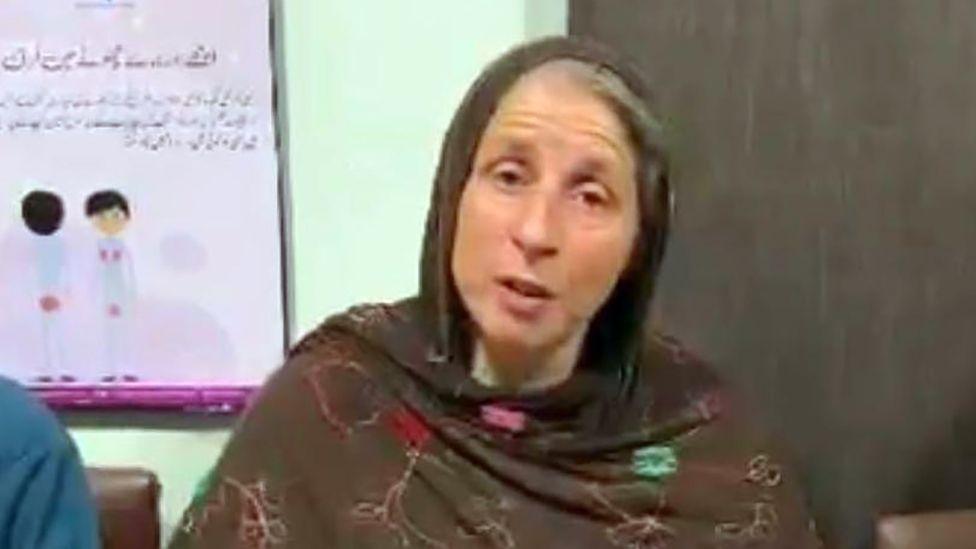
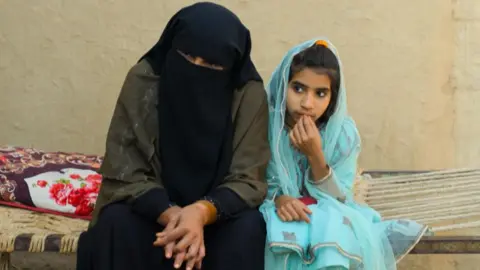
Mohammed Amin was eight when he died shortly after testing positive for HIV. His fevers were so bad that he insisted on sleeping in the rain, and he writhed in pain like he'd been thrown in hot oil, says his mother, Sughra.
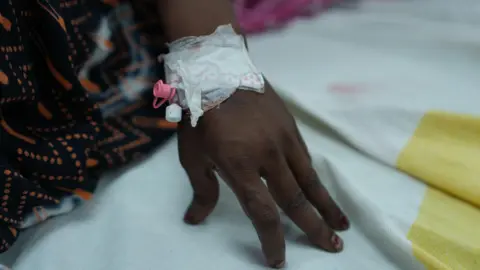
Not long after her brother contracted the virus, Asma, 10, was also diagnosed with HIV. Their family believes both children contracted it from injections with contaminated needles during routine medical treatment at a government hospital in Taunsa, Punjab, Pakistan.
They are two of 331 children identified by BBC Eye as testing positive for HIV in the city between November 2024 and October 2025.
After linking the outbreak to THQ Taunsa hospital, authorities promised a crackdown, suspending the medical superintendent in March 2025. However, an undercover investigation shows that dangerous injection practices continued months later.
During 32 hours of undercover filming at the hospital, syringes were seen being reused on multi-dose vials of medicine, resulting in multiple children potentially being exposed to HIV without any protective measures taken.
Despite signs promoting safe injection practices, staff were filmed injecting patients without gloves, raising serious concerns about infection control protocols.
The hospital's new medical superintendent, Dr. Qasim Buzdar, dismissed evidence of malpractice, insisting that patient safety measures were in place.
Dr. Altaf Ahmed, a leading infectious disease expert in Pakistan, stated that even if new needles were used, the syringes could still carry the virus, putting countless children at risk.
The findings highlight broader systemic issues in health practices in Pakistan, where reliance on injections persists, often as a first-line treatment despite many being unnecessary.
The unfortunate realities faced by children like Asma and the ongoing stigma surrounding HIV place tremendous emotional burdens on families connected to this tragic outbreak.