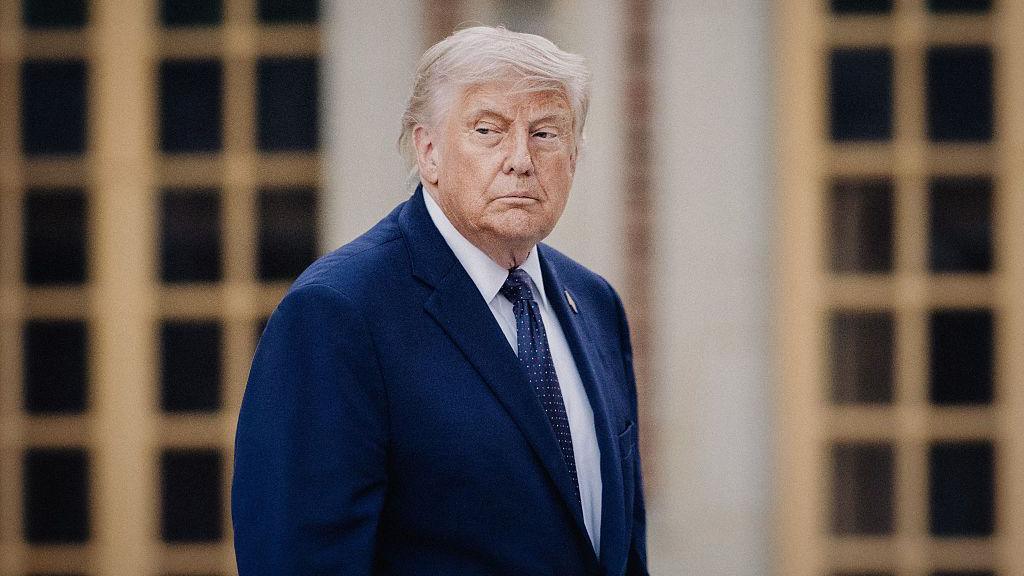
It is not unusual for President Trump to face criticism from Catholic leaders. His hardline immigration policies, promised in his campaign and cheered on by supporters, have prompted condemnation from church leaders. However, the recent backlash resulting from Trump's attack on Pope Leo XIV and the circulating AI image of himself as a Christ-like figure is noteworthy.
For months, the hierarchy of the Catholic Church in the U.S. has been at odds with many right-leaning Catholics, but the latest uproar has ignited discontent even among Trump’s conservative allies. Concerns over the Iran war appear to deepen the sentiments, illustrating a significant shift in opinion among conservative Catholics.
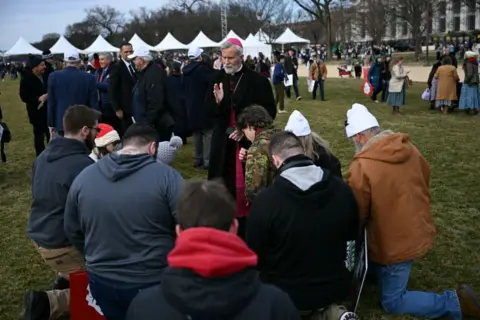
Bishop Joseph Strickland, known for his alignment with Trump, openly criticized the President’s rhetoric, noting the moral implications and calling for peace and truth. Strickland's deviation from the expected supportive stance reflects a growing dissent among conservatives regarding Trump's approach and rhetoric amidst the war in Iran.
Critics express that Trump's behavior could negatively impact his support among Catholic voters, especially as many see the Pope not just as a head of state, but as a spiritual leader deserving of respect. Scholars cite that Trump's actions could jeopardize his previously strong backing from this demographic.
As political dynamics continue to evolve, the intersection of faith and politics remains fraught with challenges, highlighting how Trump's actions toward Pope Leo XIV are not only shaping discourse among Catholics but potentially redefining affiliations in forthcoming elections.