CORPUS CHRISTI, Texas — The highly anticipated trial for Adrian Gonzales, a former police officer, commenced Monday over allegations he failed to protect children during the 2022 Uvalde school shooting, which tragically claimed the lives of 19 students and two teachers. The charges against Gonzales include 29 counts of child abandonment or endangerment, making this a rare case of an officer facing prosecution for inaction during a crisis.
During the shooting at Robb Elementary School, nearly 400 law enforcement officers from various agencies converged on the scene, yet a staggering 77 minutes elapsed before a tactical team finally breached the classroom to neutralize the shooter, Salvador Ramos. Investigations revealed that Ramos had exhibited concerning behaviors prior to the incident, including an obsession with violence.
Gonzales was one of the first responders on site, and along with the former Uvalde schools police chief, he is one of only two officers facing criminal charges related to the delayed response. The actions, or lack thereof, of law enforcement have drawn widespread scrutiny and outrage from family members of victims and the community alike, who contend that timely intervention could have saved lives.
The indictment claims crucial mistakes by Gonzales placed children in immediate danger, highlighting failures to follow active shooter protocols and to advance toward the gunfire despite being aware of the threat. In light of intense public criticism and the pressure for accountability, Gonzales pleaded not guilty, with his attorney asserting that he made attempts to assist children that day.
As the trial unfolds in Corpus Christi, a venue chosen to ensure a fair trial free from local biases, the prosecution faces challenges in securing a conviction against police officers—a task often complicated by juries' reluctance to convict those in law enforcement for inaction. This case underscores ongoing discussions surrounding police response measures in crisis situations. Families of victims continue to voice their frustrations, advocating for justice and accountability following the devastating event that has left lasting scars on the community.
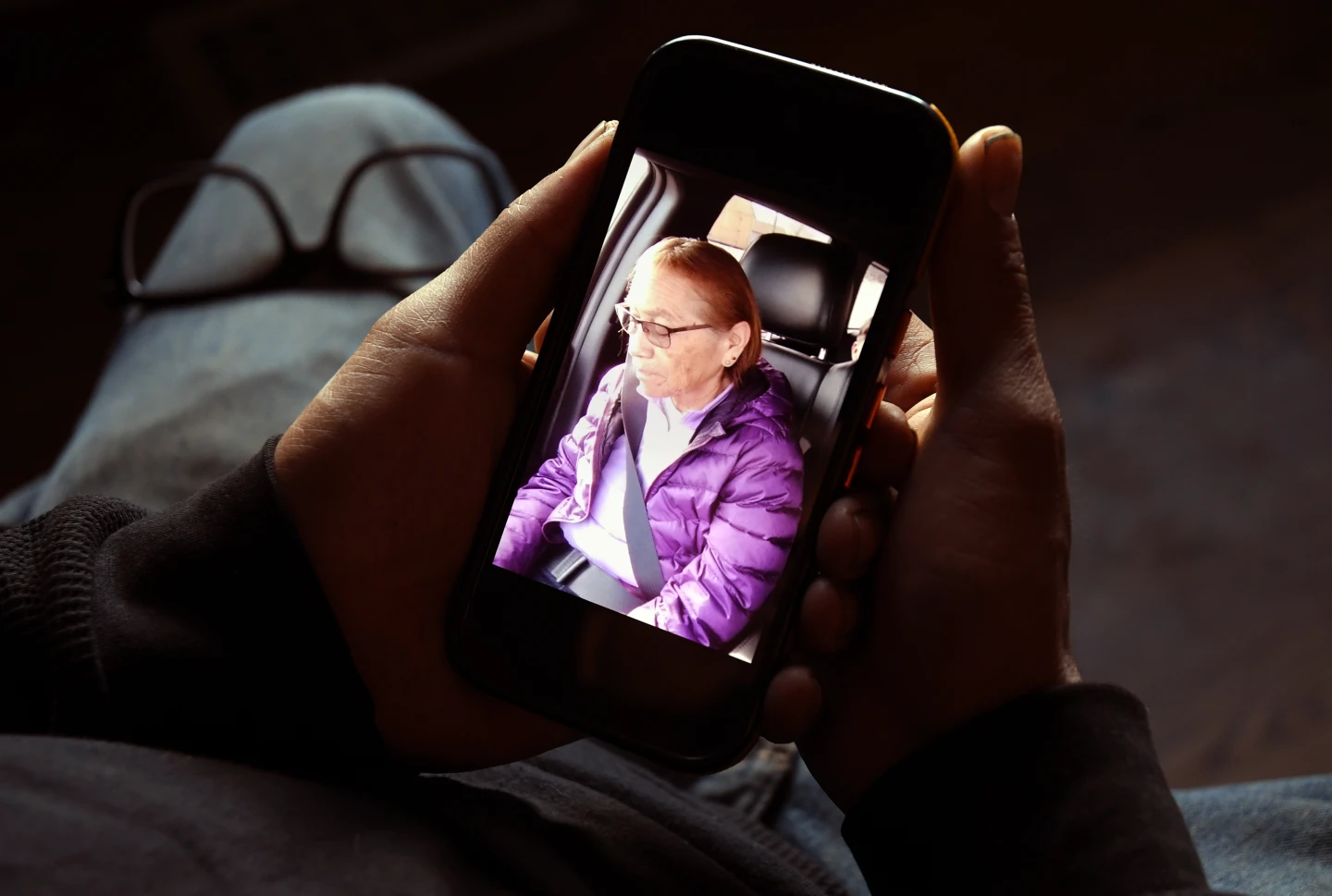
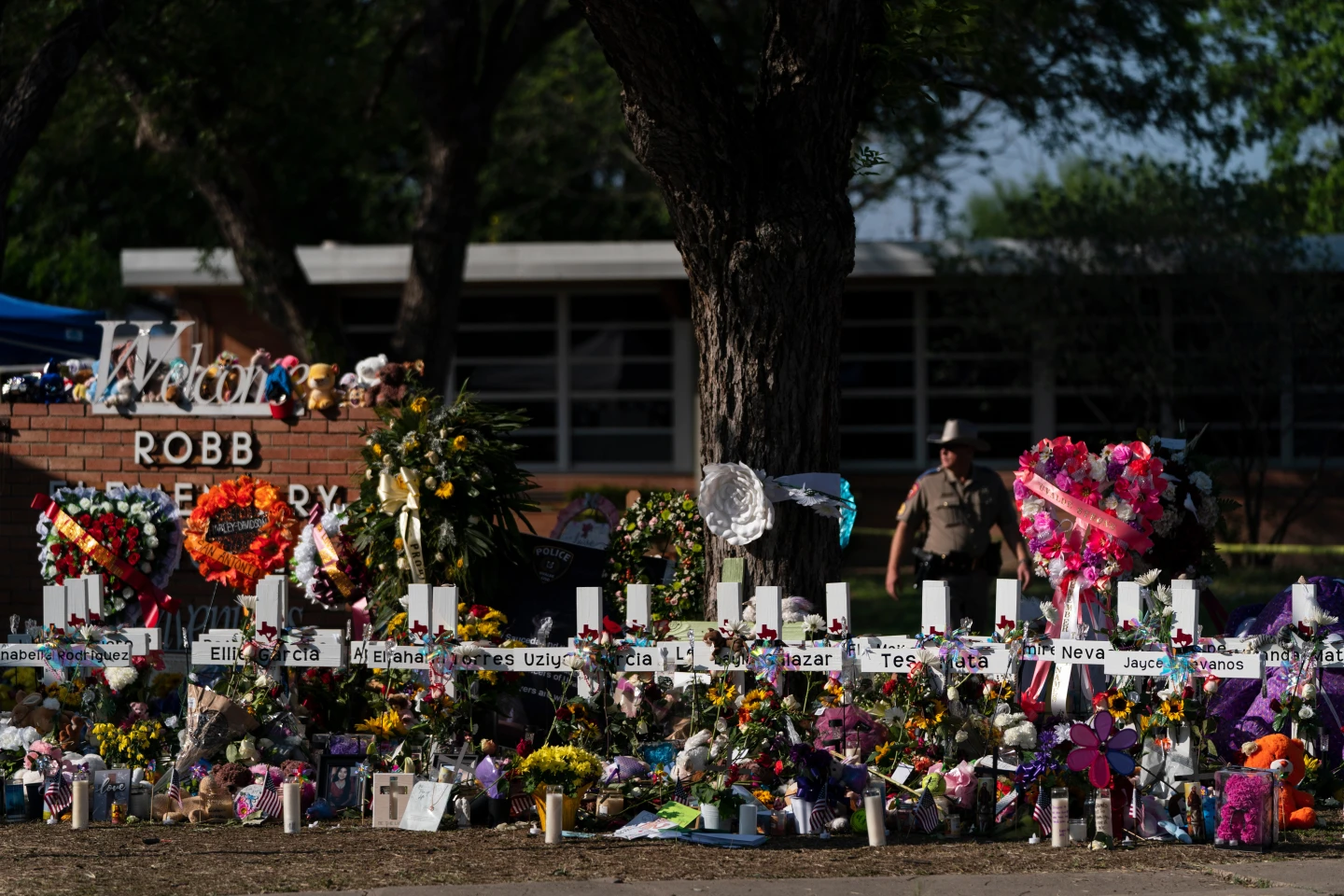
In Uvalde, memorials to the victims stand as solemn reminders of the tragedy, with calls for comprehensive reviews of police training and response strategies echoing throughout the backdrop of the community's mourning.
During the shooting at Robb Elementary School, nearly 400 law enforcement officers from various agencies converged on the scene, yet a staggering 77 minutes elapsed before a tactical team finally breached the classroom to neutralize the shooter, Salvador Ramos. Investigations revealed that Ramos had exhibited concerning behaviors prior to the incident, including an obsession with violence.
Gonzales was one of the first responders on site, and along with the former Uvalde schools police chief, he is one of only two officers facing criminal charges related to the delayed response. The actions, or lack thereof, of law enforcement have drawn widespread scrutiny and outrage from family members of victims and the community alike, who contend that timely intervention could have saved lives.
The indictment claims crucial mistakes by Gonzales placed children in immediate danger, highlighting failures to follow active shooter protocols and to advance toward the gunfire despite being aware of the threat. In light of intense public criticism and the pressure for accountability, Gonzales pleaded not guilty, with his attorney asserting that he made attempts to assist children that day.
As the trial unfolds in Corpus Christi, a venue chosen to ensure a fair trial free from local biases, the prosecution faces challenges in securing a conviction against police officers—a task often complicated by juries' reluctance to convict those in law enforcement for inaction. This case underscores ongoing discussions surrounding police response measures in crisis situations. Families of victims continue to voice their frustrations, advocating for justice and accountability following the devastating event that has left lasting scars on the community.
In Uvalde, memorials to the victims stand as solemn reminders of the tragedy, with calls for comprehensive reviews of police training and response strategies echoing throughout the backdrop of the community's mourning.