The article text follows.
---
Three Israeli hostages being held by Hamas in Gaza were released from captivity on Saturday, in exchange for 183 Palestinian prisoners held by Israel. Yarden Bibas, 34, Ofer Kalderon, 53, and Keith Siegel, 65, were handed over to the Red Cross—the latest hostages to be freed as part of a ceasefire deal struck last month. The Palestinian prisoners were transported in buses to the West Bank, many coming from the nearby Ofer prison.
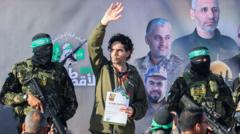
The tone of the exchange sharply contrasted with Thursday's chaotic handover, where crowds surged toward the hostages, prompting Israel to delay the release of Palestinian prisoners that day due to safety concerns. Saturday's release was more orderly but still maintained presentational elements aimed at emphasizing Hamas's governance in Gaza. Lines of armed fighters managed the crowds, while the released men were flanked by additional armed and masked fighters. A prominent banner displayed pictures of deceased Hamas leaders.
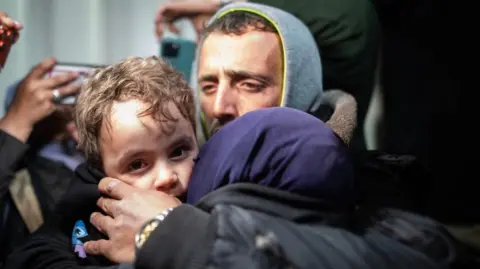
Red Cross officials signed certificates of release for Kalderon and Bibas, who held them aloft as they waved to the onlookers in Khan Younis. In Gaza City, cheers erupted from a crowd in Hostages Square when Siegel appeared, with some chanting "He's a hero." His wife, Adrienne, expressed her overwhelming joy as she prepared to reunite with her husband.
The family of French-Israeli Kalderon shared their emotional relief after "484 long and difficult days" of waiting, and noted that he "endured months in a nightmare," clinging to the hope of embracing his children again. However, the release brought mixed feelings for others, such as Liz Domsky, who anxiously looked for news of a missing student, Bar Kupershtein, who has not been accounted for.
Bibas’s story also brought a complex emotional response as his wife and two young sons were kidnapped during the October 7 attack by Hamas, with Hamas later claiming they had been killed in an earlier airstrike. Andrea Wittenberg, holding a photo of her young son taken at the time of his abduction, reflected on the anguish of children not being home.
Israeli President Isaac Herzog expressed deep concern for the fate of all hostages while emphasizing the need for the recently released people to rehabilitate. Meanwhile, in Ramallah, jubilant crowds celebrated the return of freed Palestinian prisoners, with one expressing gratitude for their resilience despite oppression.
Saturday's handover was far more organized than on the previous Thursday, which featured "shocking scenes" according to Israeli Prime Minister Benjamin Netanyahu. The international community, represented by Red Cross President Mirjana Spoljaric, had called for improved security during such handovers to ensure they occur safely and with dignity.
According to the Hamas-run Gaza health ministry, nearly 47,500 people have been killed since Israel's military intervention following the October attack, with around 1,200 Israelis also having died and 251 taken as hostages. The ceasefire, initiated on January 19, entails the release of 33 hostages alongside 1,900 Palestinian prisoners and the provision of humanitarian aid to Gaza.
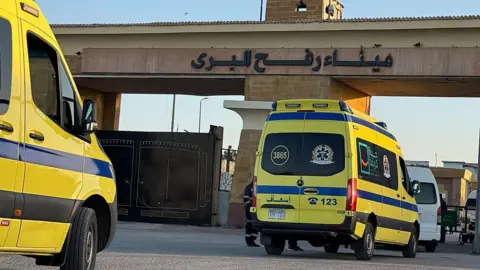
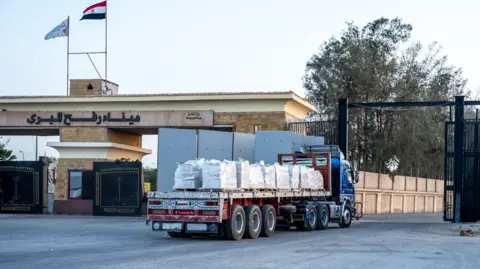
Simultaneously, the Rafah crossing between Gaza and Egypt, a crucial humanitarian corridor, was reopened on Saturday for the first time in eight months, enabling over 50 patients to access essential medical care in Egypt. Many displaced Palestinians were also returning home, although reports indicated they faced extensive destruction from prior air strikes.
Amid these tensions, one returning resident lamented the catastrophic condition of northern Gaza, citing extensive damage to infrastructure and living conditions. "It really a mess," he said, revealing the grim reality faced by countless families returning to find their homes decimated.
---
Three Israeli hostages being held by Hamas in Gaza were released from captivity on Saturday, in exchange for 183 Palestinian prisoners held by Israel. Yarden Bibas, 34, Ofer Kalderon, 53, and Keith Siegel, 65, were handed over to the Red Cross—the latest hostages to be freed as part of a ceasefire deal struck last month. The Palestinian prisoners were transported in buses to the West Bank, many coming from the nearby Ofer prison.
The tone of the exchange sharply contrasted with Thursday's chaotic handover, where crowds surged toward the hostages, prompting Israel to delay the release of Palestinian prisoners that day due to safety concerns. Saturday's release was more orderly but still maintained presentational elements aimed at emphasizing Hamas's governance in Gaza. Lines of armed fighters managed the crowds, while the released men were flanked by additional armed and masked fighters. A prominent banner displayed pictures of deceased Hamas leaders.
Red Cross officials signed certificates of release for Kalderon and Bibas, who held them aloft as they waved to the onlookers in Khan Younis. In Gaza City, cheers erupted from a crowd in Hostages Square when Siegel appeared, with some chanting "He's a hero." His wife, Adrienne, expressed her overwhelming joy as she prepared to reunite with her husband.
The family of French-Israeli Kalderon shared their emotional relief after "484 long and difficult days" of waiting, and noted that he "endured months in a nightmare," clinging to the hope of embracing his children again. However, the release brought mixed feelings for others, such as Liz Domsky, who anxiously looked for news of a missing student, Bar Kupershtein, who has not been accounted for.
Bibas’s story also brought a complex emotional response as his wife and two young sons were kidnapped during the October 7 attack by Hamas, with Hamas later claiming they had been killed in an earlier airstrike. Andrea Wittenberg, holding a photo of her young son taken at the time of his abduction, reflected on the anguish of children not being home.
Israeli President Isaac Herzog expressed deep concern for the fate of all hostages while emphasizing the need for the recently released people to rehabilitate. Meanwhile, in Ramallah, jubilant crowds celebrated the return of freed Palestinian prisoners, with one expressing gratitude for their resilience despite oppression.
Saturday's handover was far more organized than on the previous Thursday, which featured "shocking scenes" according to Israeli Prime Minister Benjamin Netanyahu. The international community, represented by Red Cross President Mirjana Spoljaric, had called for improved security during such handovers to ensure they occur safely and with dignity.
According to the Hamas-run Gaza health ministry, nearly 47,500 people have been killed since Israel's military intervention following the October attack, with around 1,200 Israelis also having died and 251 taken as hostages. The ceasefire, initiated on January 19, entails the release of 33 hostages alongside 1,900 Palestinian prisoners and the provision of humanitarian aid to Gaza.
Simultaneously, the Rafah crossing between Gaza and Egypt, a crucial humanitarian corridor, was reopened on Saturday for the first time in eight months, enabling over 50 patients to access essential medical care in Egypt. Many displaced Palestinians were also returning home, although reports indicated they faced extensive destruction from prior air strikes.
Amid these tensions, one returning resident lamented the catastrophic condition of northern Gaza, citing extensive damage to infrastructure and living conditions. "It really a mess," he said, revealing the grim reality faced by countless families returning to find their homes decimated.