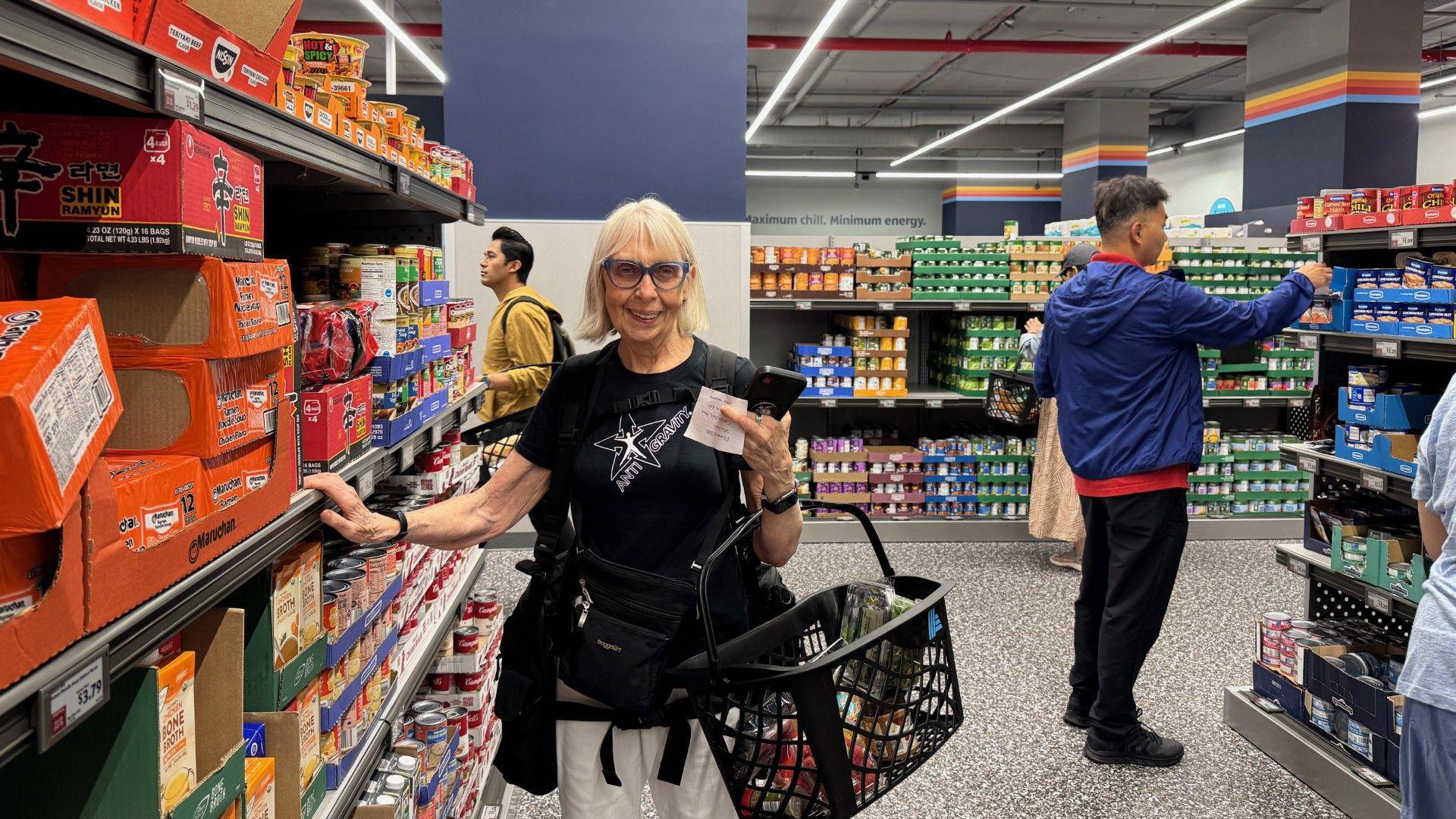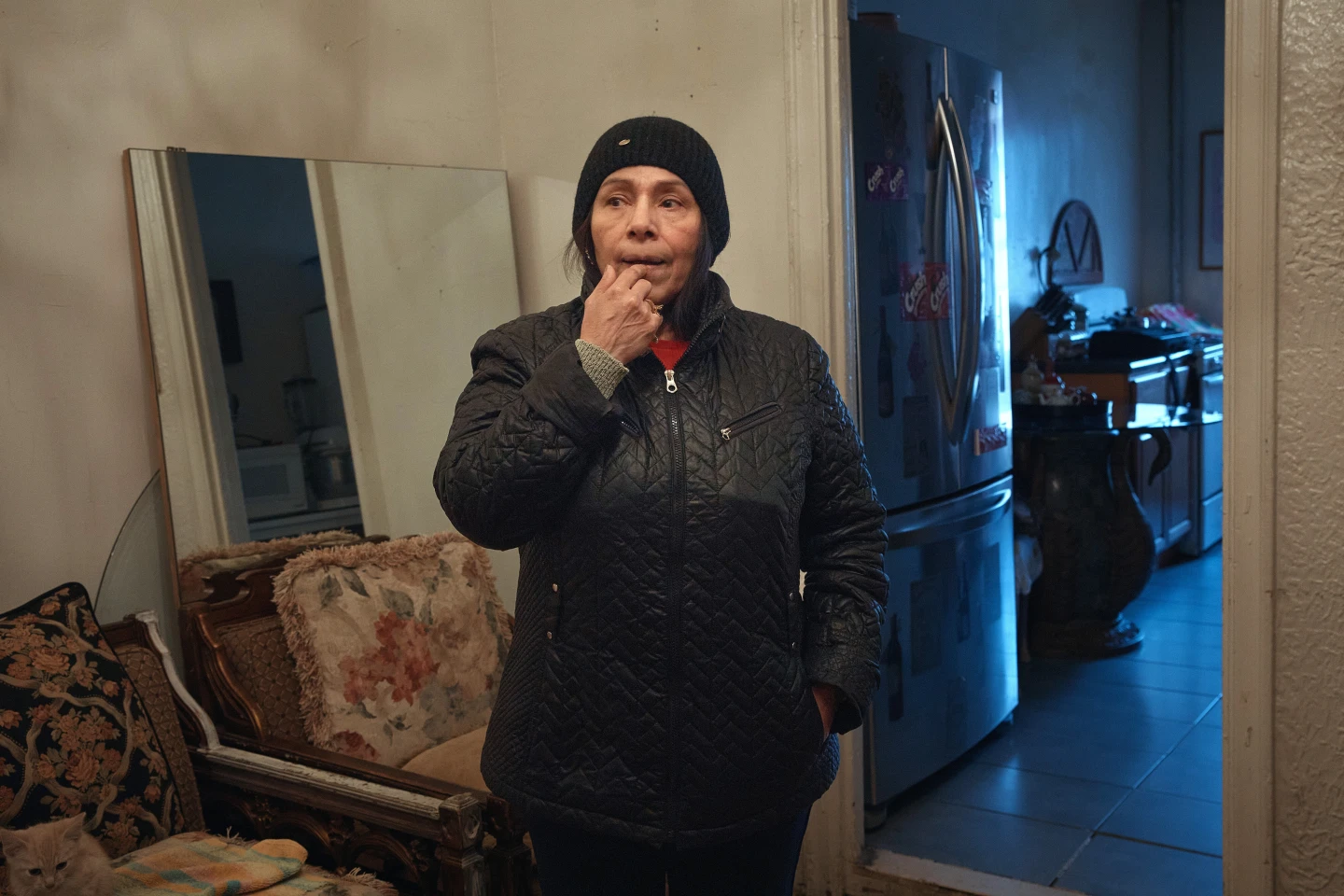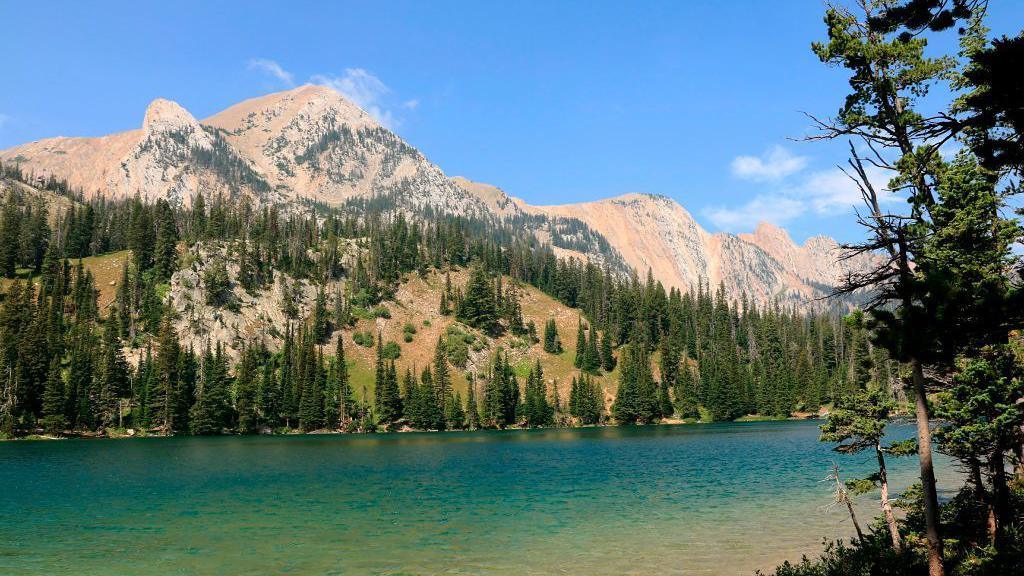
In the shadow of Rocky Mountains, a single‑wide trailer lot in Bozeman’s Mountain Meadows park holds 73‑year‑old Sara Folger, who has lived on the same three‑bedroom, two‑bath unit for 17 years. While she works part‑time at the state’s newest Whole Foods, her rent has doubled, pushing her to the brink of being forced to leave the only place she has ever known.
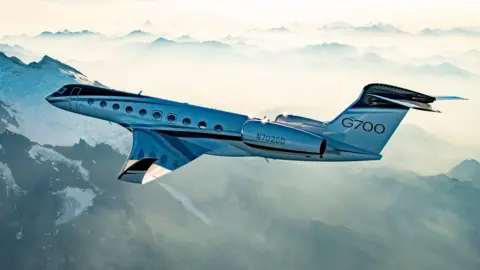
Bozeman’s population grew 20% since the pandemic—jumping from under 50,000 in 2019 to a flush‑filled town in a handful of years. Conservative migrants, attracted by the state’s tax breaks and rugged individualism, poured in from both coasts. A sudden flood of private‑jet traffic, especially to facilities like the Yellowstone Club, has turned the town into a haven for the ultra‑wealthy.
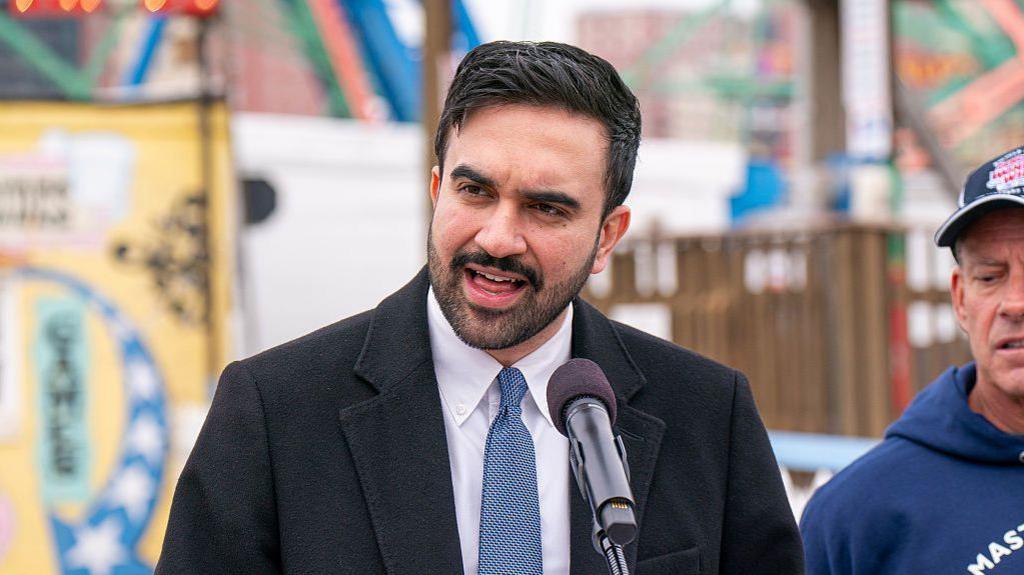
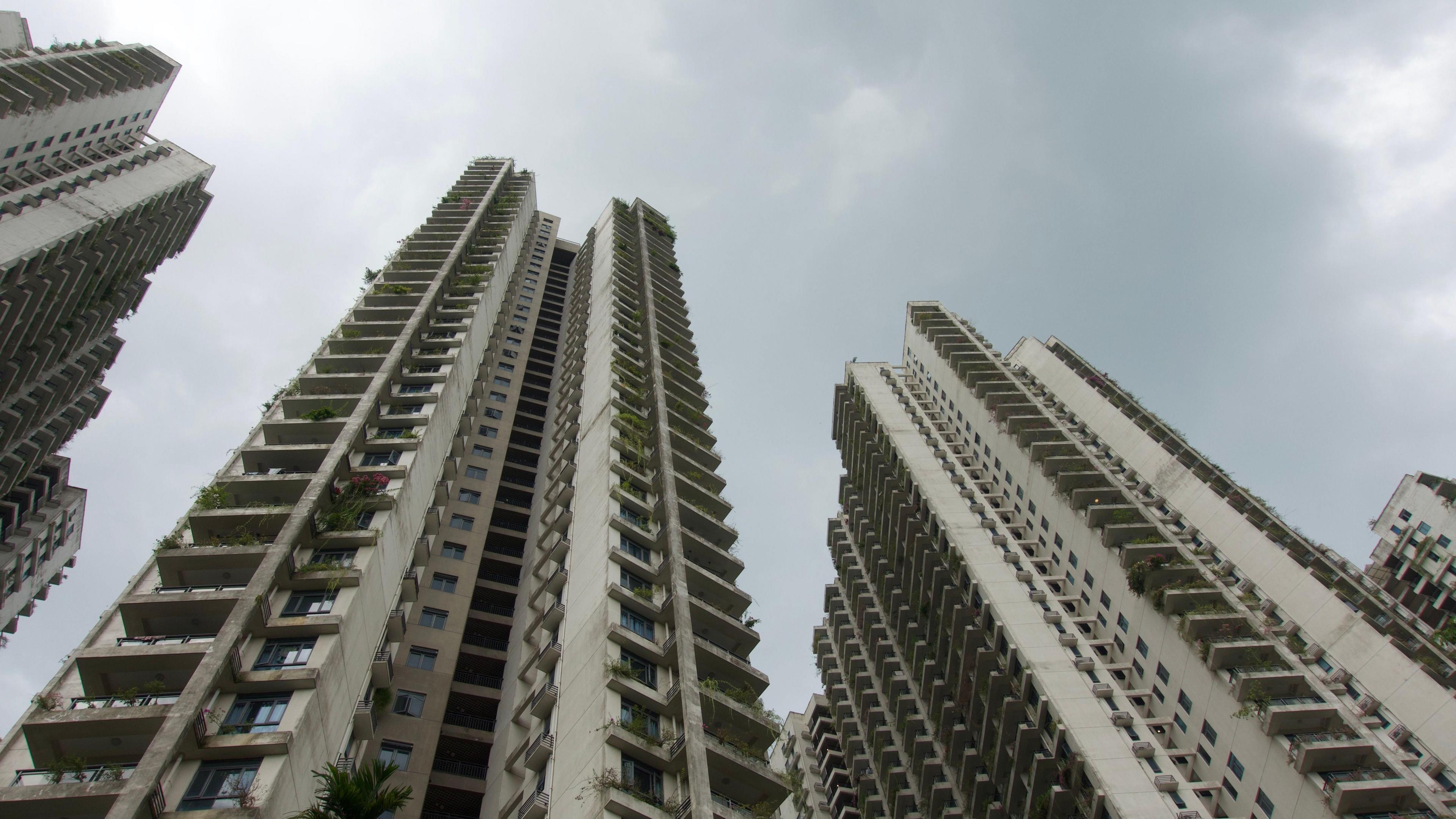
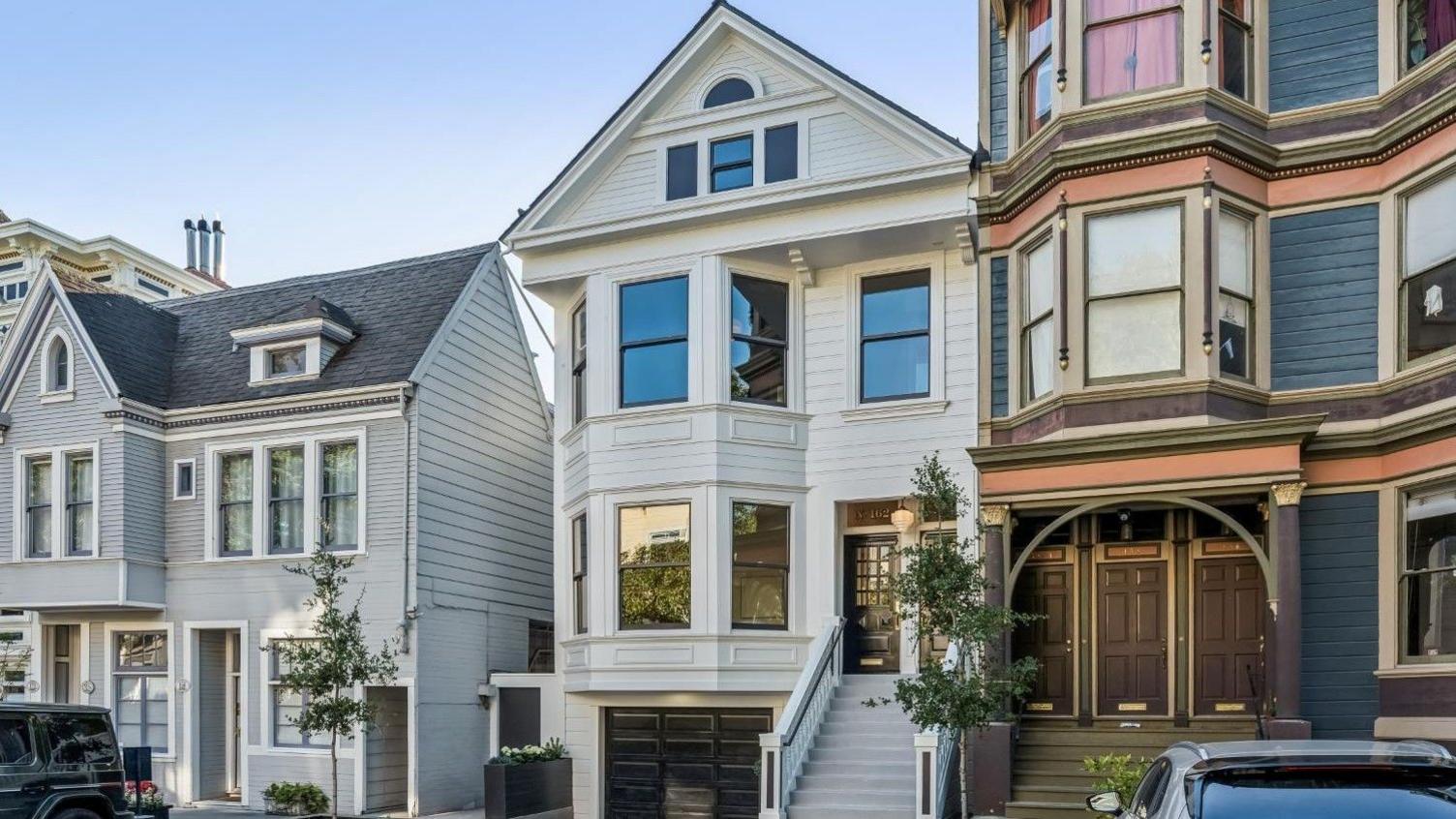
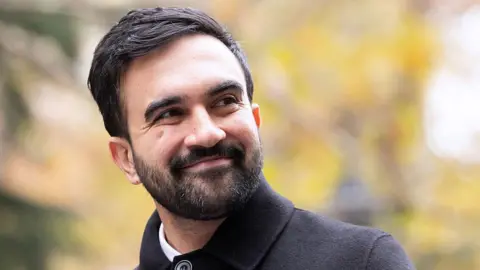
Developers flooded in, building new apartment blocks and townhomes, while luxury retailers replaced the small businesses once familiar to local residents. The market’s price discipline—rising home values by up to 40% over two years—has left many working‑classes rent‑chasing or relocating farther away. Bozeman Mayor Joey Morrison, elected on a promise to tackle affordable housing, notes that the average single‑income worker now faces a one‑bedroom rental of $2,000 or more.
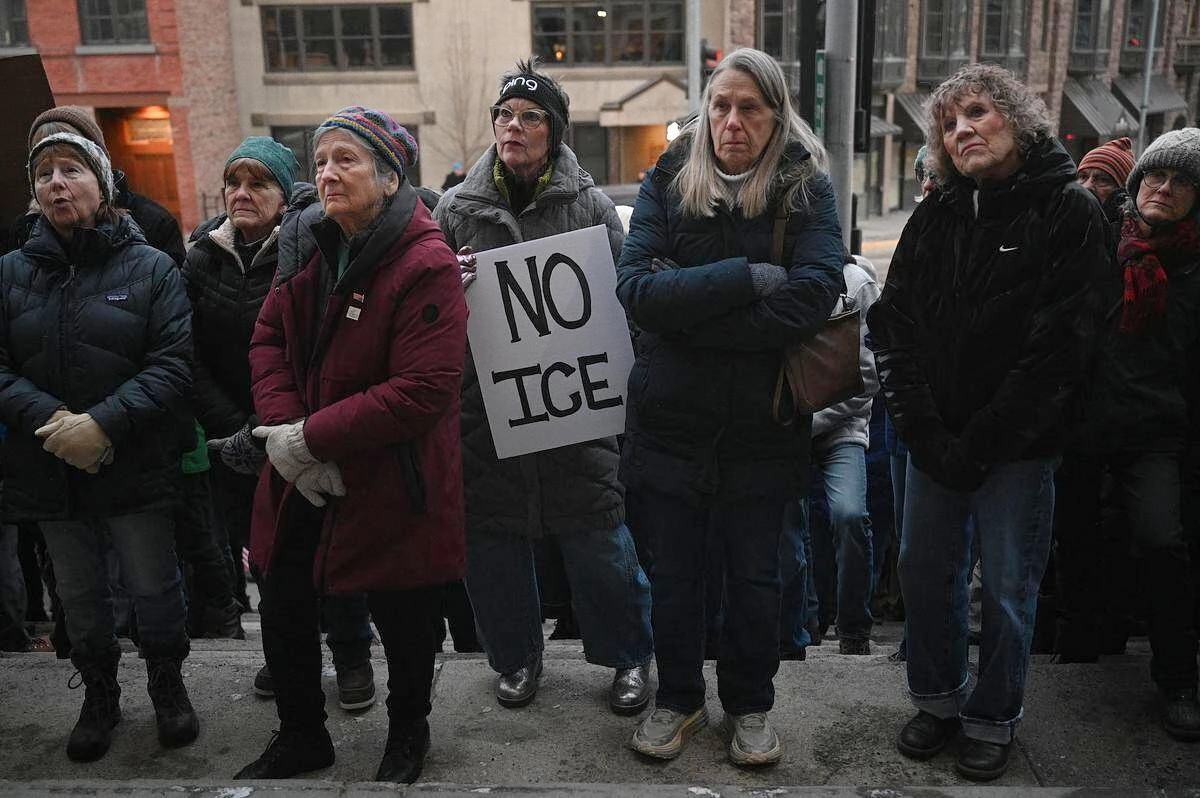
In March, two mobile‑home parks staged Montana’s first rent strike in 50 years, protesting nearly a $100 monthly hike. The strike, led by the local tenant union, shifted the park’s ownership into the hands of a California company, leaving residents in limbo. Broader community unrest led to the election of a youthful mayor, and soon, two Bozeman locals—Katie Fire Thunder and Sam Forstag—broke into the state legislature and congress, pledging to defend working‑class interests.
The looming crisis blends a clash of luxury and necessity. As the skies fill with private jets, the very same streets that once teemed with hikers and students channel wealth into high‑end real estate, leaving many locals asking: “Where are we going to go?”