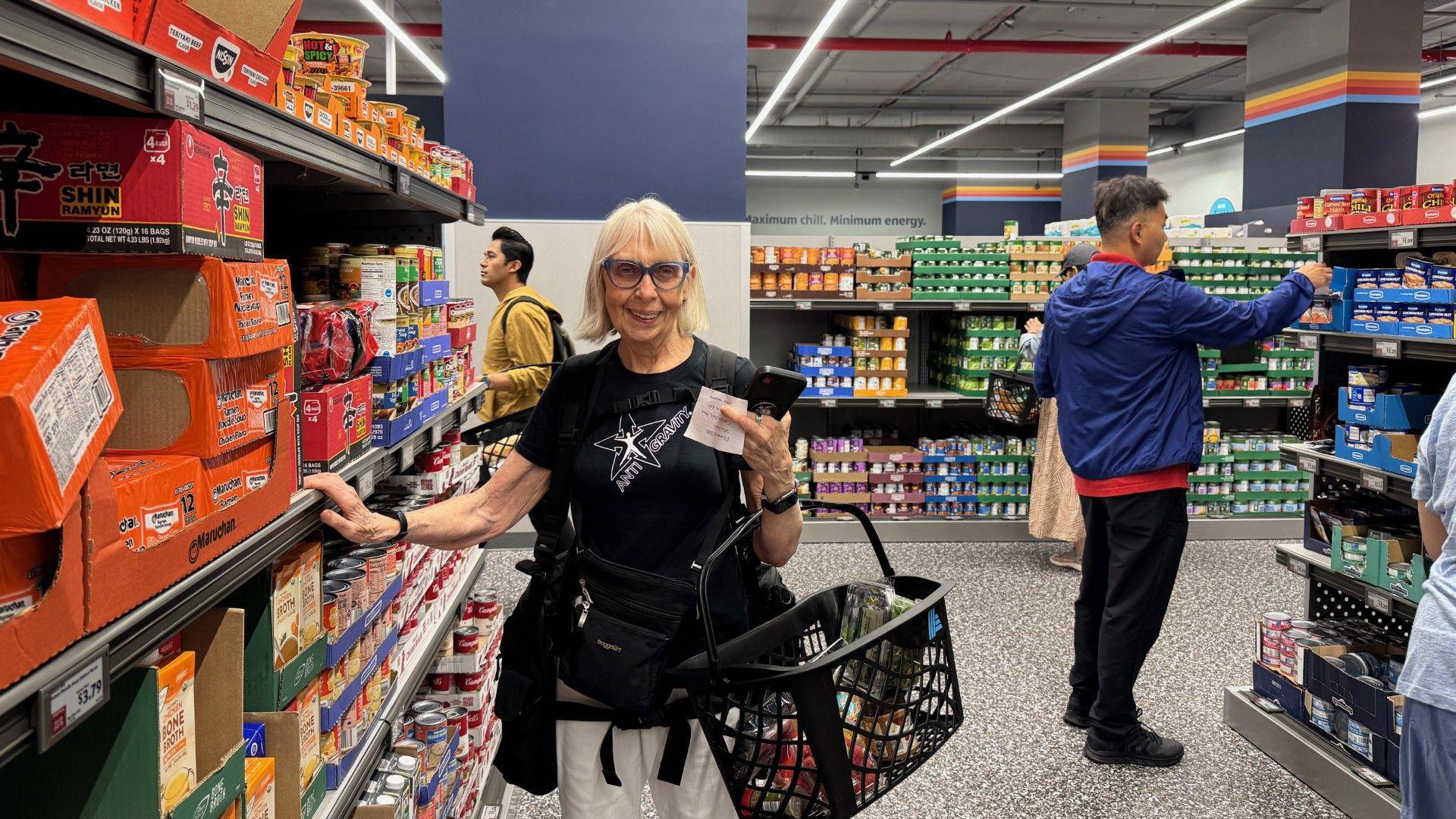
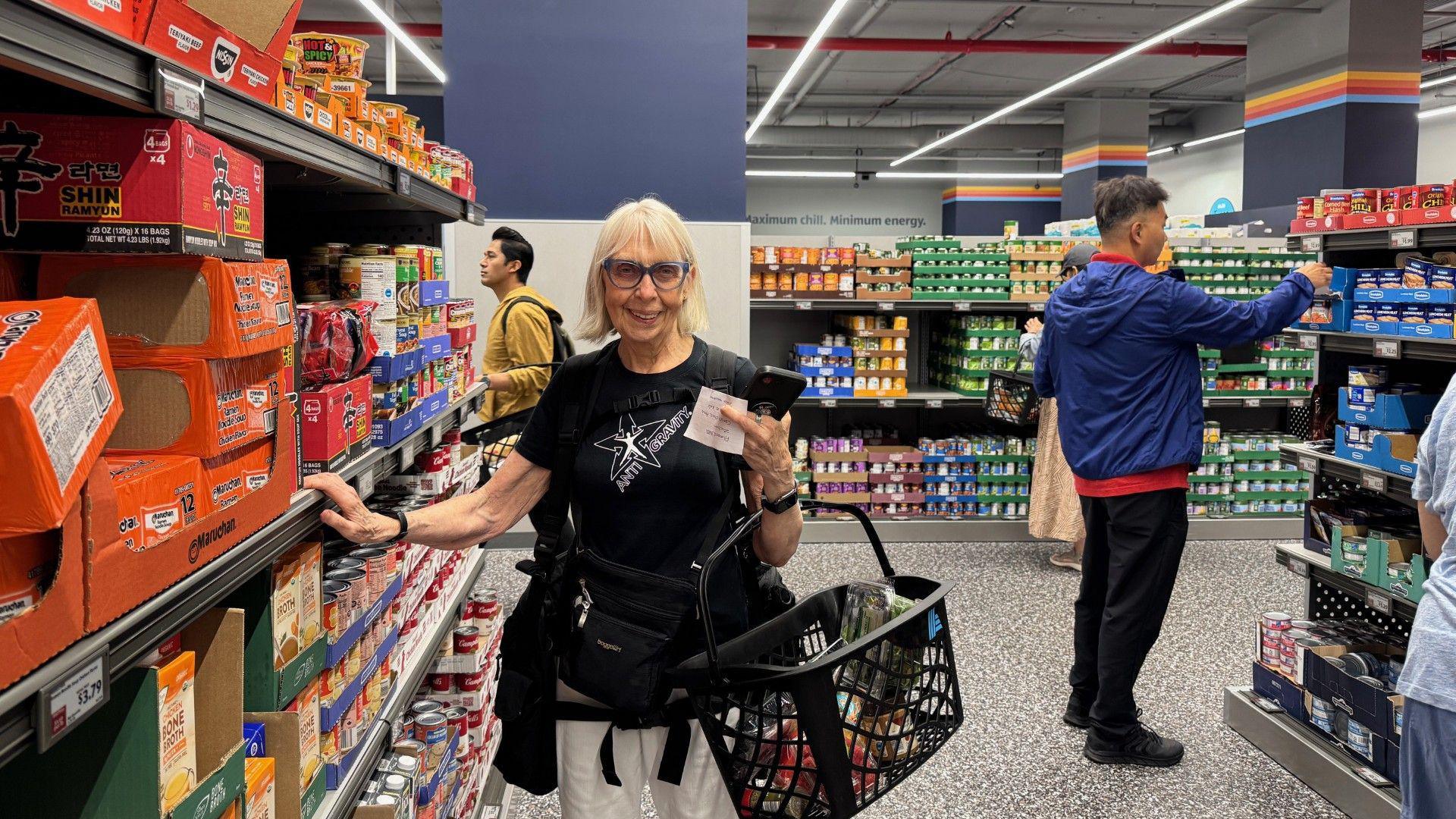
When 79‑year‑old Mary Porter entered the newest Aldi in Manhattan, she discovered a $4 jar of almond butter that costs $22 in Brooklyn—a retail revelation that underscores the company’s aggressive shop‑in‑shop strategy.
Aldi, long known for its low prices, has quietly opened stores in high‑rent city cores. The basement location is tucked beneath the luxury apartment complex “The Ellery,” where rents start near $5,000 a month, yet the store’s doors welcome city shoppers seeking good value.
The discount grocer’s expansion plan aims to add 800 new stores over five years, targeting dense urban hubs like Manhattan. This shift turns Aldi from a suburban strip‑mall brand into an urban marketplace.
Industry observers note that Aldi’s operation relies on high‑quality private‑label goods and an efficient layout. Its private‑label strategy keeps overhead low and keeps shelves stocked with 80% of the goods found in a traditional big‑box retailer—at a fraction of the price.
Meanwhile, Walmart continues to dominate the U.S. grocery market with a niche that focuses on technology, automation, and a robust membership model. Aldi’s 2.9% share of the U.S. pie remains small compared to the “battle‑ship” Walmart’s 20% market share.
Despite the high cost of Manhattan real‑estate—$350 to $700 per square foot—the company has leveraged short, specialized trucks that navigate narrow city streets. These “logistical symphonies” deliver inventory at night, avoiding congestion and maintaining a steady supply of products.
For shoppers like Porter, the immediate benefit outweighs corporate rivalry. “I get on the subway with my big bag and go home with my cheap groceries. I’m so happy. This is amazing,” she says.
Aldi’s success in the U.S. mirrors its growth in Europe, where it changed shoppers’ perceptions of discount stores from low‑quality to high‑value. If the company can continue appealing to middle‑income households in high‑cost cities, it may further punch into the U.S. grocery market.