
In brief
As the Trump administration prepares for new tariffs, U.S. firms like JM Smucker are urging for reciprocal measures to combat high foreign import taxes on American goods. Concerns about retaliatory trade wars loom, but many companies are pushing for action against perceived unfair trade practices.
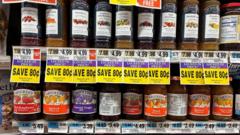
As the Trump administration gears up to unveil new trade tariffs on April 2, U.S. businesses are rallying in support of president Trump's initiatives to counteract what they perceive as unfair trade practices. One prominent voice among them, JM Smucker, the giant behind America's beloved fruit spreads, has called attention to the staggering imbalance in trade between the U.S. and the European Union. While Europe ships more than $200 million worth of jams to the U.S., American exports of jams and jellies to the EU barely reach $300,000, largely due to a steep tariff of over 24% levied by the EU.In a letter addressed to the White House, JM Smucker attributed its struggles directly to these high tariffs, asserting that “reciprocal US tariffs on EU jams and jellies would serve to level the playing field.” Currently, the highest tariff on jam imports into the U.S. is only 4.5%. This request echoes a larger trend among U.S. industries that have expressed growing frustration with foreign competition and barriers to their products abroad.Trump's assertive tariff strategy has garnered both support and skepticism among American businesses. With the upcoming tariff announcement, various industries have voiced their grievances over uneven duties, such as the apple farmers highlighting stark tariffs enforced by countries like India (50%) and Brazil (10%), and the oil and natural gas lobby criticizing Mexico's partnership regulations with its state-owned oil firm.Despite some enthusiasm, many businesses tread cautiously as they petition for action on their own issues. For example, the Consumer Brands Association, representing several large food manufacturers including JM Smucker, has warned against overly broad tariffs that may escalate costs for importing ingredients critical for their products. Similarly, steel industry representatives want exemptions for certain raw materials while advocating for broader tariffs on steel and aluminum products.Former Commerce Secretary Wilbur Ross suggests business concerns are likely to fade as specifics of the tariff plans come into focus. Still, he emphasizes the administration's firm commitment to the idea of using tariffs as a tool to bolster U.S. manufacturing and revenue streams.Meanwhile, despite fears of retaliatory actions and potential trade wars, Republicans largely back Trump's tariff strategies. Representative Jodey Arrington remarked on the importance of advocating for American manufacturers and ensuring an equitable trade environment. As the uncertainty surrounding trade relations persists, the situation remains fluid, with eyes on both the White House and global markets.

