
In brief
Malawi's upcoming general elections are marred by persistent fuel shortages and economic woes, impacting voter sentiment. Candidates are facing public cynicism as citizens prioritize immediate needs over political promises, leading to muted campaign activities. Amid protests over fuel access, frustrations run high, especially among younger voters who feel disconnected from the political elite. With economic challenges affecting daily life, Malawians are left hoping for substantial change from their next leader.
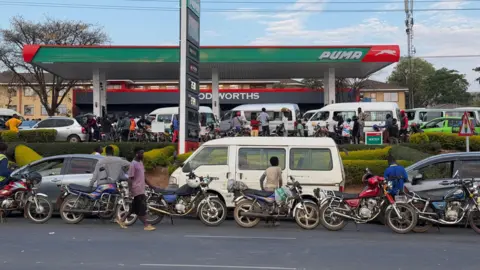
The queue to get fuel rather than the queue to vote is what is on the mind of many Malawians as Tuesday's general election approaches.
Prolonged petrol shortages, along with regular power cuts, the rising cost of living, hunger, poverty, inequality, and youth unemployment, add to the tangible frustration here.
The presidential, parliamentary, and local council candidates are competing for votes against a background of cynicism about what might actually change.
In a sign that money is tight, electioneering has been somewhat muted compared to the past. This is despite the presidential race being seen as a rematch between the incumbent, Lazarus Chakwera, and the man he beat in 2020, then-President Peter Mutharika.
There are 15 other candidates.
But the usual colourful campaign carnival is missing. The free T-shirts usually doled out with abandon to whip up enthusiasm are more limited.
There are fewer giant election billboards on the nation's main roads.
Back in the snaking petrol lines, patience runs thin, which has at times led to fist fights.
Sensing the fuel shortage was becoming an election issue, Chakwera has tried to tackle it head on.
In a televised address, eight days before polls open, he acknowledged the frustration and apologised. The president then turned his fire on allegedly corrupt officials who he accused of deliberately sabotaging the oil market.
Like fuel, new job opportunities are also hard to come by.
To put food on the table, young men have been selling petrol and diesel using small plastic containers at five times the official price.
In the southern town of Mangochi, they refused to be interviewed except to say, as they walked away, that preying on desperate motorists was the only way to survive.
With food costs rising at more than 30% in the past year, and wages not keeping pace, things are becoming harder to afford.
The high inflation rate has been partly put down to a shortage of foreign currency, which has forced some importers to buy US dollars on the more expensive black market. The costs have then been passed on to the consumer.
The effect of the economic troubles on young people could be particularly significant in this election – as around half of registered voters are under the age of 35.
And yet the two leading presidential candidates are considerably older. Chakwera is 70 and Mutharika is 85.
When young people cast their ballots next week, they should think about the poverty crisis. The coming president should fix the employment rate because many of the young people are unemployed, said 33-year-old Monica Chinoko, who works in the capital, Lilongwe.
Many younger voters have told the BBC that these continuous problems have dampened enthusiasm for the elections.
Looking at the candidates - it's really a tough choice to make because hope has been lost. We've been voting and voting but things haven't gotten better, said Ashley Phiri, 35. But I'm hoping that this time around, the next leader will radically transform Malawi.

