In brief
As the Atlantic hurricane season reaches its peak, meteorologists have noted a surprising absence of named storms for nearly three weeks. This calm is attributed to adverse conditions such as increased vertical wind shear, dry air, and reduced rainfall in West Africa. Experts caution that while this lull is beneficial for vulnerable regions like Puerto Rico, the season is not yet over, with predictions of potential storm activity in the coming weeks.
SAN JUAN, Puerto Rico (RTW News) — An unprecedented absence of named tropical storms has left meteorologists puzzled as the Atlantic hurricane season enters its critical peak period. It's been three weeks without any new storm developments, leading experts and the public to wonder, Where are the Atlantic hurricanes? This unusual lull, particularly concerning considering the typical storm surge around this time, has drawn attention from weather specialists.
The last named storm, Tropical Storm Fernand, formed on August 23 and dissipated shortly after on August 28, remaining over open water. According to Ernesto Rodríguez, the meteorologist in charge of the National Weather Service forecast office in San Juan, this is only the second occurrence since 1950 that no named storms have developed during this peak period.
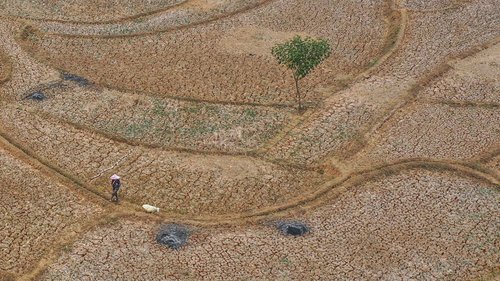
Three primary factors contribute to this calm: an increase in vertical wind shear due to atmospheric conditions, persistent dry air in the tropical Atlantic, and a decrease in rainfall from West Africa, where tropical waves typically form. Rodríguez noted, This is pretty positive, especially for us in Puerto Rico, which is still recovering from the impacts of Hurricane Maria in 2017.
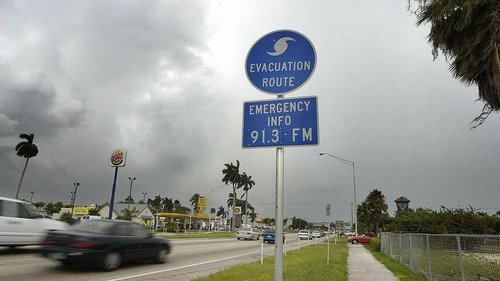
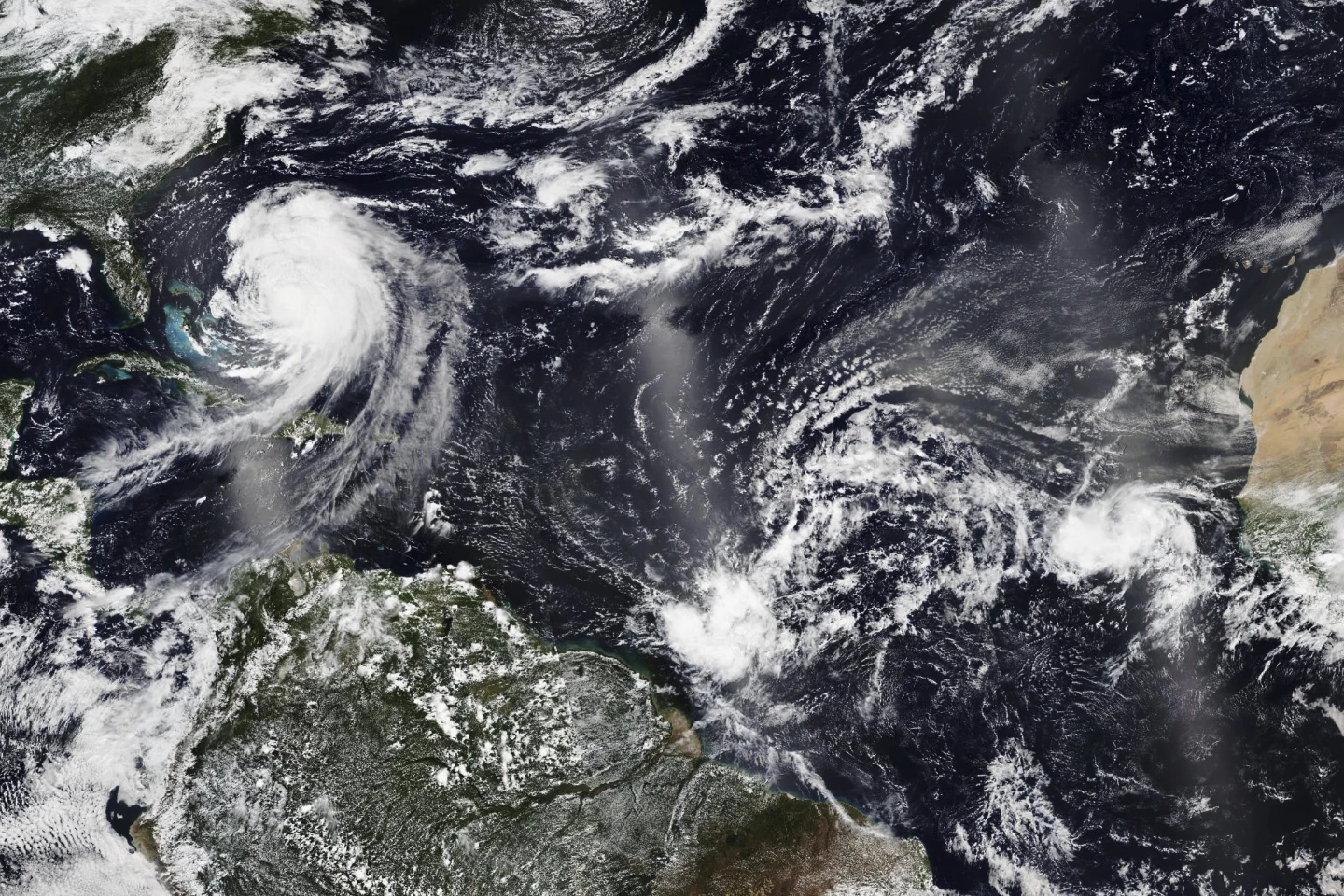
Even with this notable quietness, forecasters caution that the hurricane season could still see increased activity later on, potentially in mid to late September. Current clusters of storms forming east of the Caribbean may develop further but are expected to remain over open water.
Despite current conditions, ocean temperatures remain warm, which could fuel future storms. Historical trends indicate that most hurricane activity occurs in August and September, and this year has seen only six named storms so far. The National Oceanic and Atmospheric Administration (NOAA) predicted a busier season this year, forecasting 13 to 18 named storms, including several hurricanes.
The conga line of tropical waves heading out of Africa typically peaks during late August and September — this season, however, they seem late to arrive, noted hurricane expert Michael Lowry. As the season progresses, concerns remain about preparedness for potential storms yet to come.