
In brief
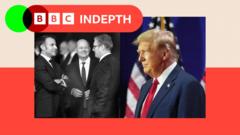
In light of Donald Trump's second presidential election victory, European nations are reflecting on their vulnerabilities and preparing for a potentially tumultuous relationship marked by unpredictability in trade and defense, amid existing political and economic issues on the continent.
As Donald Trump returns to the political forefront after winning the U.S. presidential election for a second time, European leaders are entering a state of reflection regarding their vulnerabilities and the implications of his approach to international relations. Many within Europe have noted a palpable obsession with Trump in their media, even as they tackle domestic hurdles, including stagnant economies and rising political tensions. In Germany, for example, the looming snap elections in February are overshadowed by Trump's political maneuvers. Voter sentiment captures a shared anxiety about the new reality of Trump's presidency, particularly as leaders like former Chancellor Angela Merkel have expressed concern over his transactional view of alliances. This sentiment resonates especially within Germany, which Trump's administration has historically regarded with skepticism, as it often found itself at the forefront of Trump's criticisms.The potential for Trump to impose blanket tariffs on foreign imports is particularly troubling for Germany's heavily export-oriented economy. Experts warn that any such tariffs would risk exacerbating Germany’s existing economic challenges, especially given its recent downturn. This could spell a nightmare scenario for an already beleaguered eurozone.European leaders are now more acutely aware of Trump's unpredictable style, questioning to what extent his threats and rhetoric will translate into action. Some analysts argue that Europe is less prepared now than during Trump's first term. European Commission officials believe they have established countermeasures, yet there are fears that any aggressive economic maneuvers by Trump, particularly against China, could leave Europe vulnerable to fallout.Defense issues also complicate the landscape, with Trump's historical insistence that NATO allies meet their defense spending commitments. While the current administration has shown support for military aid to Ukraine, concerns arise regarding whether Trump's stance will remain supportive or shift towards isolationism.Each European leader is trying to navigate this tumultuous relationship with varying strategies. French President Emmanuel Macron, for instance, has sought to bolster ties with Trump, praising his successes while promoting strategic autonomy among EU nations. Meanwhile, others, including officials from the European Central Bank, advise a financial approach, suggesting negotiations instead of backlash against Trump's proposed tariffs.The current political climate in Europe adds further complexity to the equation, with growing right-wing sentiments and populism that may influence reactions to Trump's presidency. As European leaders grapple with the need for a cohesive response, the continent's greater dependence on defense spending and unity is brought into stark focus, particularly against the backdrop of shifting geopolitical alliances. With an uncertain economic and political landscape and warnings against complacency, Europe faces a significant test ahead. Will European leaders unite against the challenges posed by Trump, or will they find themselves navigating a fractured relationship with a leader who has historically favored combative tactics? The next chapter in transatlantic relations is on the verge of being penned, and the outcomes remain to be seen.
