
In brief
The ongoing tariff dispute provokes strong reactions in Canada, with fans booing the US anthem during sporting events as the nation braces for economic fallout.
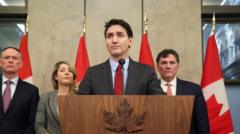
In an unexpected display of national pride, Canadian hockey and basketball fans in Ottawa and Toronto strongly expressed their discontent recently by booing the US national anthem. This reaction follows US President Donald Trump’s announcement of significant tariffs on all Canadian imports—a staggering 25% on most goods and a 10% levy on energy resources, slated to go into effect imminently. The surge of emotional outbursts from typically polite fans reflects widespread outrage over what many in Canada view as Trump’s harsh and unjust trade measures. Economists anticipate that these tariffs could potentially ignite a trade war that may have dire implications for both Canadian and American economies. Canadians, feeling the brunt of this economic strain, are further concerned that such tariffs could lead to a severe recession, drastically affecting livelihoods and living costs. In the wake of Trump’s controversial decision, calls for solidarity among Canadians are growing louder. Prime Minister Justin Trudeau urged citizens in a recent address to support each other through the impending economic challenges. “Now is the time to choose Canada,” he declared, rallying people to consider local alternatives in their shopping habits. Many citizens have responded positively, sharing tips on social media to help others avoid purchasing American products and even planning to cancel trips to the United States. Some provinces, including Ontario, have already started pulling American liquor products off the shelves as a direct response. Besides an extensive range of American goods, including vegetables and clothing, Canada has retaliated with tariffs on around C$155 billion worth of imports, specifically targeting items from states allied with Trump, such as orange juice from Florida. This escalation is seen as a destabilizing moment for Canadian-American relations, which have traditionally been marked by close economic and security ties. Notably, even prominent political figures, like Pierre Poilievre, leader of the opposition Conservative Party, denounce Trump’s tariffs as “massive, unjust, and unjustified.” Reflecting on the turbulent nature of this newfound tension, experts warn that Canada must quickly seek diplomatic avenues to ameliorate the situation. Thomas Juneau, a national security professor, emphasized that this unprecedented trade discord represents a significant shift in Canada's international relations strategy. The duration of these tariffs remains uncertain, with analysts predicting adverse economic impacts as long as they are in place. Observers warn that if tensions escalate further, Canada might face economic repercussions, potentially leading to double-digit unemployment rates in just a few months. As cracks appear in the once solid foundation of Canadian-American friendship, citizens across the nation brace themselves for a tumultuous trade battle. The potential shift toward greater isolationism encourages them to find new partnerships without losing sight of their geographical realities. “We prefer to solve our disputes with diplomacy,” concluded Trudeau. “But we are ready to fight when necessary,” echoing the sentiments of a nation united in resolve.

