
In brief
During a rare visit to el-Geneina, local residents recounted harrowing tales of violence and survival, as UN officials described the dire need for humanitarian assistance in Darfur. The ongoing conflict has resulted in thousands of deaths and a looming famine, prompting urgent calls for international attention and support.
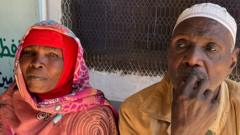
In the desolate outskirts of el-Geneina, West Darfur, the remnants of a once-thriving community speak volumes about the atrocities that have unfolded. Burnt buildings and shattered lives mark the landscape, echoing the horrors of war. Notably, this visit by UN officials, including Tom Fletcher, Under-Secretary-General for Humanitarian Affairs, is the first of its kind since the onset of Sudan's brutal conflict 19 months ago.Reflecting on the alarming situation, Mr. Fletcher emphasized the urgent need for protection amidst escalating violence, particularly highlighting the "epidemic of sexual violence" and the looming threat of famine. The visit followed extensive negotiations with warring factions led by Gen. Abdel Fattah al-Burhan and Gen. Mohamed Hamdan Dagalo, known as Hemedti, who currently dominate much of Darfur.Residents of el-Geneina shared heartbreaking accounts of chaos and despair during two massacres last year that claimed up to 15,000 lives. Descriptions of violence and looting paint a grim picture, with human rights organizations raising concerns about potential genocide and war crimes. Eyewitness accounts reveal community members fleeing to Chad, burdened by traumatic memories and a severe lack of basic necessities.In an informal refugee camp near the border, a 14-year-old girl recounted her harrowing escape, saying, “When we fled, our young brothers were killed.” Her story, along with others, encapsulates the fear and desperation of many who faced atrocities and were forced from their homes. “We had to hide by day and travel at night,” she explained, showcasing the dire choices survivors had to make.Upon visiting a modest health center in an internally displaced persons camp, Fletcher engaged with locals desperate for assistance. A community elder outlined the critical needs faced by the displaced, emphasizing the need for food, education, and clean water. As the UN struggles to gain access to regions affected by violence, many NGOs operating in the area express frustration with the slow pace of assistance.Despite acknowledging the challenges due to conflicting political interests involving various regional powers, Mr. Fletcher expressed optimism about increasing aid efforts. The ongoing humanitarian crisis requires urgent global attention, as famine looms in parts of Darfur, with half a million people already affected.As the international community watches closely, many hope for a shift in the response to this "toughest crisis in the world," urging that the situation in Darfur does not fade from public consciousness amidst competing global narratives.


