
In brief
The devastating 7.7 magnitude earthquake that struck Mandalay last Friday has left a significant toll on life and resources, with reports of over 2,700 confirmed fatalities. Survivors are grappling with dwindling supplies and poor infrastructure, while humanitarian access remains hindered by military restrictions.
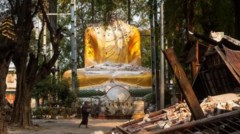
Mandalay, once famed as the ‘city of gold’ adorned with shimmering pagodas, now stands as a grim reminder of the destruction caused by last week's 7.7 magnitude earthquake. This disaster has left an unbearable smell of death in Myanmar’s former royal capital as the death toll surges past 2,700 according to military reports, with thousands more injured and many still unaccounted for.A resident shared that due to the overwhelming number of bodies, many are now being "cremated in stacks." This statement was made by a 23-year-old student who lost her aunt, whose body was only retrieved from the rubble two days after the quake struck. The military, which has faced criticism for downplaying disasters, indicated that the casualty counts may rise as rescue teams make their way through collapsed buildings and inaccessible areas.Residents report that they have been enduring sleepless nights amidst dwindling food and water supplies, with a palpable sense of despair casting a shadow over the once-vibrant city. “I have seen many people, myself included, crouching over and crying out loud on the streets,” expressed a local who has been forced to live in makeshift tents due to aftershocks. Despite the overwhelming destruction, hope dissipates as emergency responders have rescued over 400 individuals, although it is feared that the actual number of victims is significantly higher than reported. The U.S. Geological Survey has warned that the death toll could potentially exceed 10,000 given the magnitude and location of the earthquake.Children are particularly afflicted by the trauma, as highlighted by a local pastor whose son has been frequently breaking down in tears after witnessing the devastation around them. The magnitude of loss has left many in Mandalay feeling exhausted and hopeless, with a monk commenting on the grim condition of the rescue operations, stating that "only dead bodies have been recovered" recently from the worst-hit buildings.Crematoriums are struggling to keep up with the influx of bodies, leading to severe shortages of essential supplies, including food, water, and burial resources. Meanwhile, shattered pagodas that once characterized Mandalay line the streets—the city, which has seen its fortunes wane due to economic and political turmoil, now faces its most challenging crisis yet.In addition to the immediate suffering caused by the quake, the humanitarian response has been hampered by the ongoing socio-political strife in Myanmar. The military has instituted various barriers to aid organizations attempting to reach the earthquake-stricken areas, drawing criticism from human rights advocates who are urging for unimpeded access to those in desperate need.As Myanmar copes with the unfolding tragedy, many continue to call for better coordination and cooperation among aid agencies and the junta, striving to ensure timely relief reaches those whose lives hang in the balance.

