In brief
Calin Georgescu’s unexpected win in Romania’s presidential elections signals potential shifts in foreign policy and highlights a growing popularity rooted in nationalist sentiment.
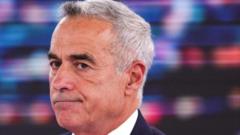
In a surprising electoral upset, Calin Georgescu, a 62-year-old independent candidate with a nationalist background, has won the first round of Romania's presidential elections, raising alarms among international allies. Georgescu, leveraging his expertise in sustainable development and agriculture, has no formal party but has roots in the nationalist Alliance for the Union of Romanians (AUR). His campaign hinges on radical changes for Romania, advocating for a shift toward small-scale organic agriculture, a focus on Christian values, and a push for national sovereignty.His political stance echoes some sentiments of prominent figures like Robert F. Kennedy Jr. in the United States, as both share a vision of restoring country pride and tradition. Among the candidates, Georgescu stands out with his unconventional campaign tactics, particularly his vibrant presence on social media platforms like TikTok, where he has rapidly grown his following to over 330,000. His videos, featuring personal moments such as ice baths, have garnered more than four million likes, effectively translating into significant electoral support.Georgescu’s promises to "restore Romania’s dignity" have resonated, particularly his stance on reducing reliance on international organizations such as NATO and the EU. Romania's presidential position bears substantial influence over the country's foreign policy, especially significant as it hosts NATO bases pivotal to monitoring the ongoing conflict in Ukraine. His criticism of the US-backed missile defense system at Deveselu aligns him with narratives espoused by Moscow, alluding to a potential shift in Romania’s relations with the West.Further complicating his profile, Georgescu's past statements regarding Russian President Vladimir Putin and his admiration for controversial figures in Romania's history have drawn scrutiny. Despite his expulsion from AUR due to contentious remarks concerning historical leaders of Romania’s Iron Guard, he maintains his platform is free from antisemitism or xenophobia.As international eyes remain on Romania's political landscape, Georgescu’s rise, paired with his distinct strategy and nationalist appeal, promises to reshape discussions of Romania’s future alignment and partnerships on the global stage.