
In brief
As Mayotte reels from the effects of Cyclone Chido, survivors recount harrowing experiences, facing immense challenges in rebuilding their lives amid inadequate government support and growing anger over the situation.
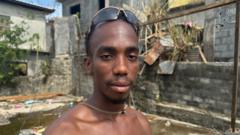
On the night Cyclone Chido struck the French Indian Ocean territory of Mayotte, Zinedine Mohamed and his family faced a daunting choice. Living in a modest home constructed of corrugated iron and wood with eight relatives, Zinedine initially dismissed the cyclone warnings, believing they would result in nothing more than a bit of rain, as in years past. However, this cyclone brought unprecedented winds exceeding 124 mph (200 km/h), marking the most powerful storm to hit the island in almost a century. The death toll currently stands at 31, with countless others reported missing as the storm left a trail of destruction. Following a more concerning warning, Zinedine urged his mother to evacuate to a nearby neighbor’s solid brick home. She was hesitant, leading Zinedine to stay behind, feeling the heavy weight of responsibility as the eldest son. As the cyclone unleashed its fury, he, along with his mother, huddled under a table with his younger siblings. Suddenly, the roof of their home was torn away, sending debris flying. In a moment of courage, Zinedine dashed outside to save his mother, exclaiming, “I’d rather die than leave my mum.” After successfully rescuing her and a baby, Zinedine realized their possessions were gone, but they managed to save only important documents.Now faced with the task of rebuilding, Zinedine struggles to find materials, resorting to repurposing the iron sheets that the cyclone had dislodged. Many others in Mayotte pursue similar paths, working late into the night to mend their homes amidst a backdrop of anger against the perceived lack of government assistance.French President Emmanuel Macron's recent visit faced significant backlash, as residents voiced their frustrations over delayed aid—more than five days post-cyclone. Local residents, like 18-year-old mother-of-three Yasmine Moussa, expressed their despair about having received little aid, relying primarily on donations from volunteers.As Yasmine recalled the horrifying day of the cyclone, she recalled her children’s fear and sorrow: “My children were crying because of the noise… I tried to save what I could. I was in tears, I never imagined this would happen.” Now, she inhabits a secondary school shelter with her children, feeling unsafe and uneasy in their temporary accommodations.According to the Red Cross, at least 100,000 people across Mayotte reside in shelters, many grappling with the uncertainty of their futures. Although Macron has promised aid for the uninsured majority, specifics remain unclear. Concerns loom over how to fund extensive repair efforts, as political factions argue against increased spending in Mayotte.Despite the political discourse, Zinedine maintains that humanity prevails. As he put it, “We’re humans at the end of the day. And we need help.”