In brief
TV cooking shows are witnessing a significant decline as audiences turn to food influencers and digital platforms for culinary content. While once a staple in British households, traditional cooking shows have dwindled, with no new commissions reported this year. Industry experts attribute this shift to the rise of social media platforms like YouTube and TikTok, where creators respond swiftly to trends, engaging audiences in innovative ways. The future of food television remains uncertain as viewers demand authenticity and relatability, steering the genre into new, uncharted territories.
Some 30 years ago I found myself working with David Pritchard, a director who turned the late Keith Floyd into a TV star.
He had first encountered Floyd, glass in hand, chaotically running a Bristol restaurant and coaxed him into cooking on television, often, it appeared, semi-sloshed, on a trawler or a gale swept hillside or, memorably, in a field of ostriches.
Audiences loved it. More than 20 television series ran with Floyd at the helm, and one of the attractions was the obvious tension between him and his director.
One day, while we were editing a programme, David walked in fresh from filming with Floyd. He looked pained. We flew back on separate planes, he said.
Then he leaned closer and told me he didn't have to worry: Rick will save me.
Rick Stein had appeared on Floyd on Fish. He was given his own cooking show and went on to host dozens more, including 40 episodes of Rick Stein's Cornwall.
Meanwhile, the light sprinkling of food shows of the early 90s became a staple of TV schedules throughout the 2000s and 2010s.
In 2014, there was a complaint that the BBC had, in one week, broadcast 21 hours of cooking shows.
Then, seemingly just as abruptly as it all began - it was over.
Shows known in the industry as stand and stir fell off a cliff this year. The number of new, half-hour shows from the BBC so far this year: zero.
Commissions for all forms of food programmes across British TV have dropped 44% in a year, according to Ampere Analysis.
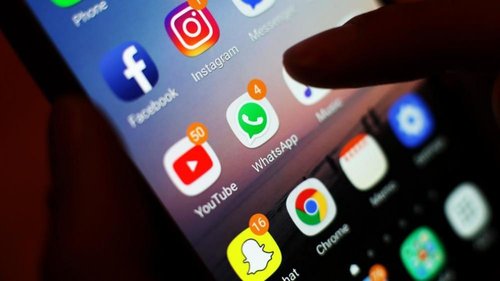
Elsewhere, however, food videos are booming - only they are not made by traditional production companies. Instead, they are on YouTube, Instagram, and TikTok.
In February, Nielsen reported that YouTube is now the most-watched service on American TVs. By July, Ofcom warned that British TV faces a crisis. Cristina Nicolotti Squires, of Ofcom, stated: Unless something is done soon, this broadcasting culture is under threat.
Even popular figures like Nigella Lawson find themselves missing from the UK TV landscape. Meanwhile, the rise of food influencers has drastically changed audience consumption and engagement.
Take Natalia Rudin, whose viral bean dish garnered over a million views on Instagram, propelling her career into the spotlight.
These influencers often provide a raw, authentic experience that resonates with a younger demographic craving genuine connection and relatability.
The content landscape is adapting as audiences demand more flexibility, creativity, and less structure than traditional television can offer.
While the shift away from scripted formats may be daunting, it also presents a rich playground for innovation, with the audience's taste at its forefront.