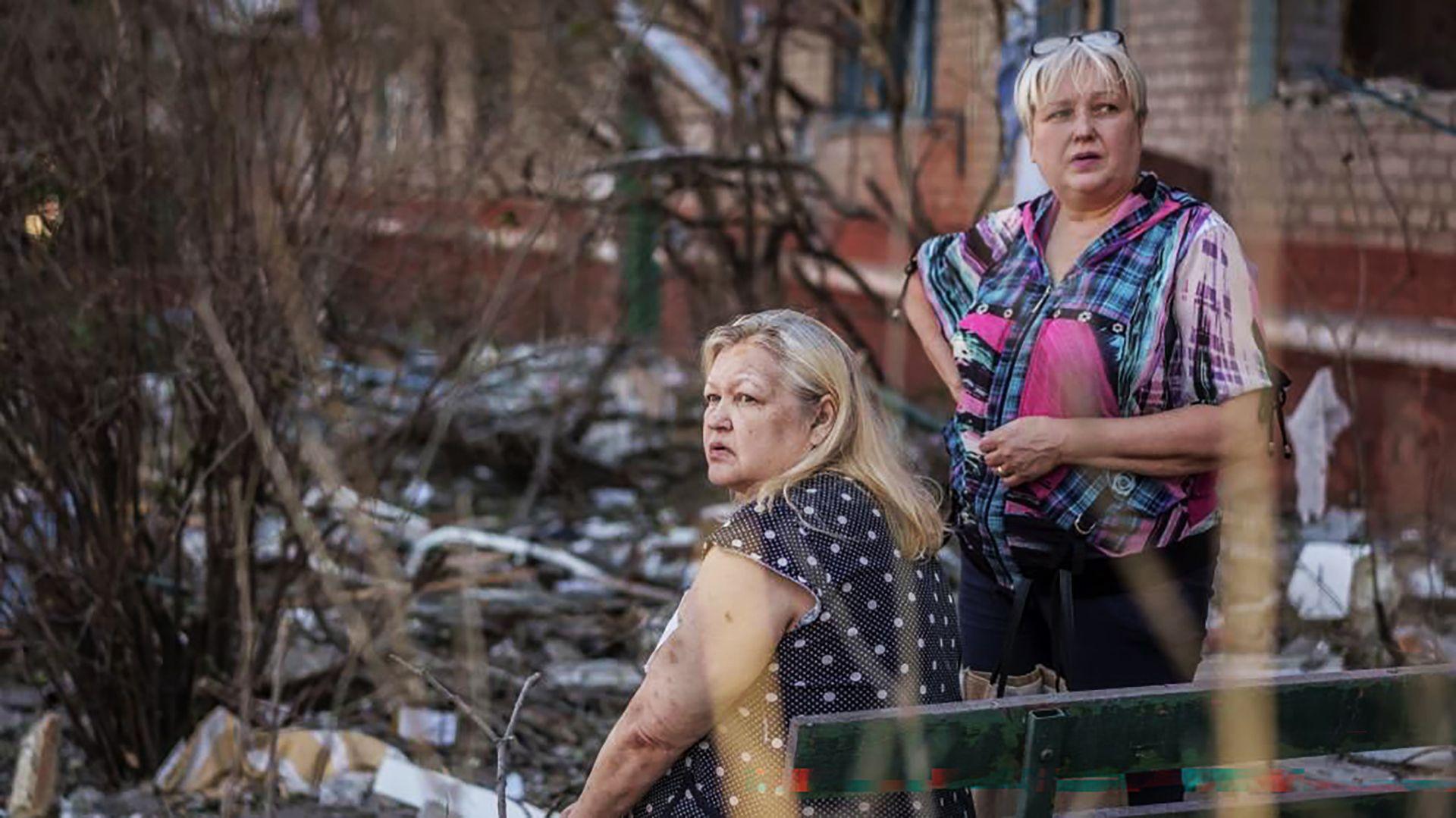
For many residents of Zaporizhzhia, calm has become a rarity. It was five a.m. when Anna Holovchenko was roused by the sound of glide bombs crisscrossing the suburbs of her city.
Within the span of the day, drones flew over her home, adding a second wave of terror. Though she tried to resume her routine, each new attack made it clear that the war had moved closer to her doorstep.
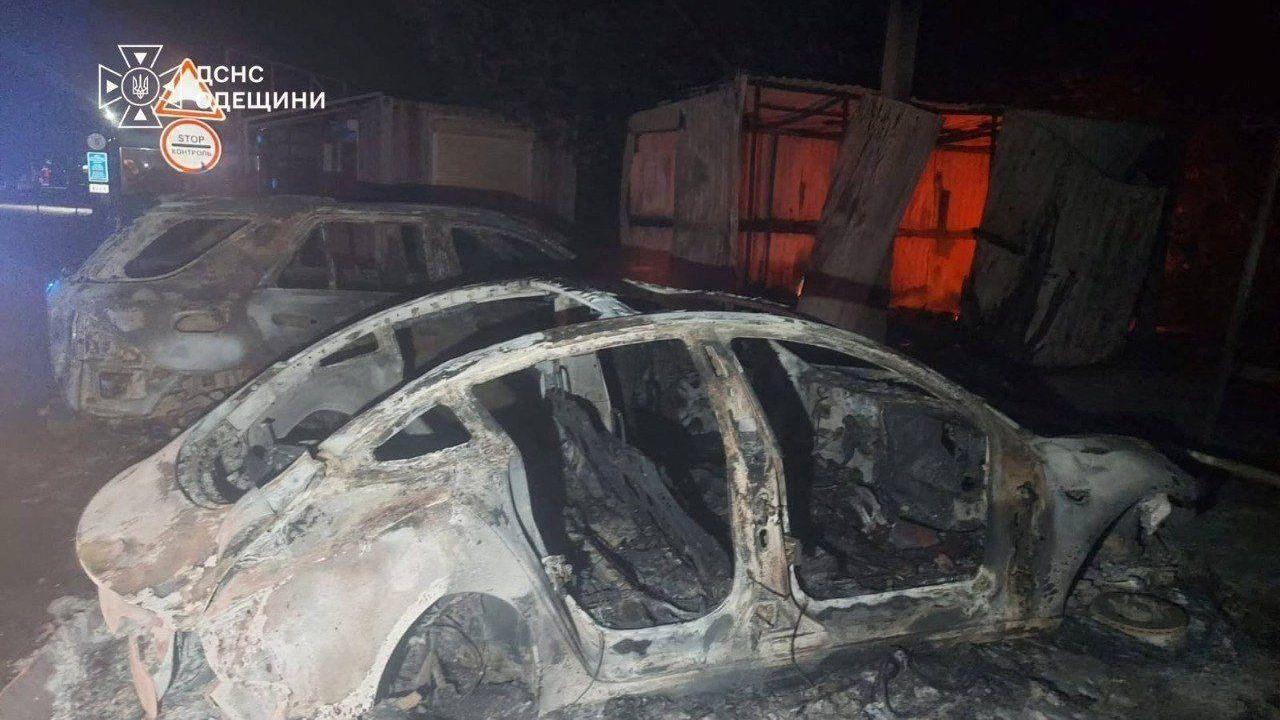
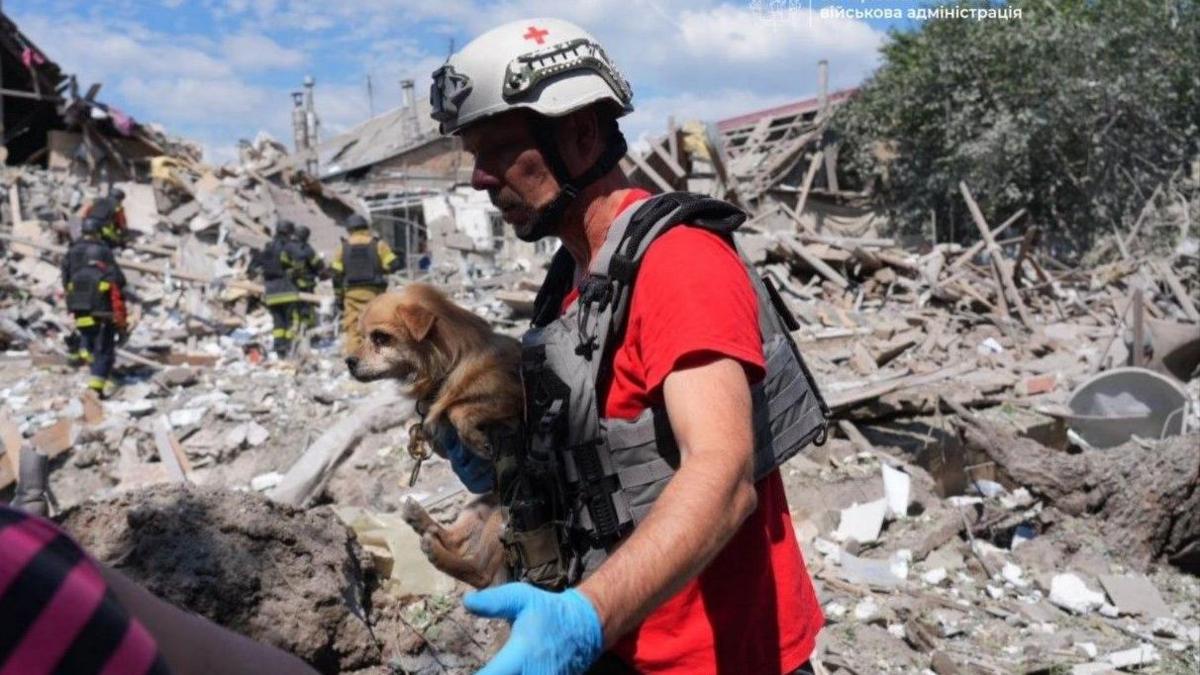
The city, home to 750,000 people, sits a mere 24 km from the front line and has endured a flurry of strikes on buses, petrol stations, schools and government offices. Acting mayor Regina Kharchenko told local radio that she once took cover in a toilet when an attack’s noise rose intolerable.
Cranny‑Evans from the Royal United Services Institute explained that Russia is now using longer‑range mothership drones to launch smaller FPV drones that can hit targets beyond reach. Mesh‑networking technology further lets drones relay signals to lengthen their reach, making them harder to jam.
Despite Ukrainian forces pushing Russian troops back several kilometres, Zaporizhzhia has not escaped. The city’s residents have endured 884 intercepted drones in June alone, while the Ukrainian military launches successful strikes at Russian oil refineries and logistics hubs.
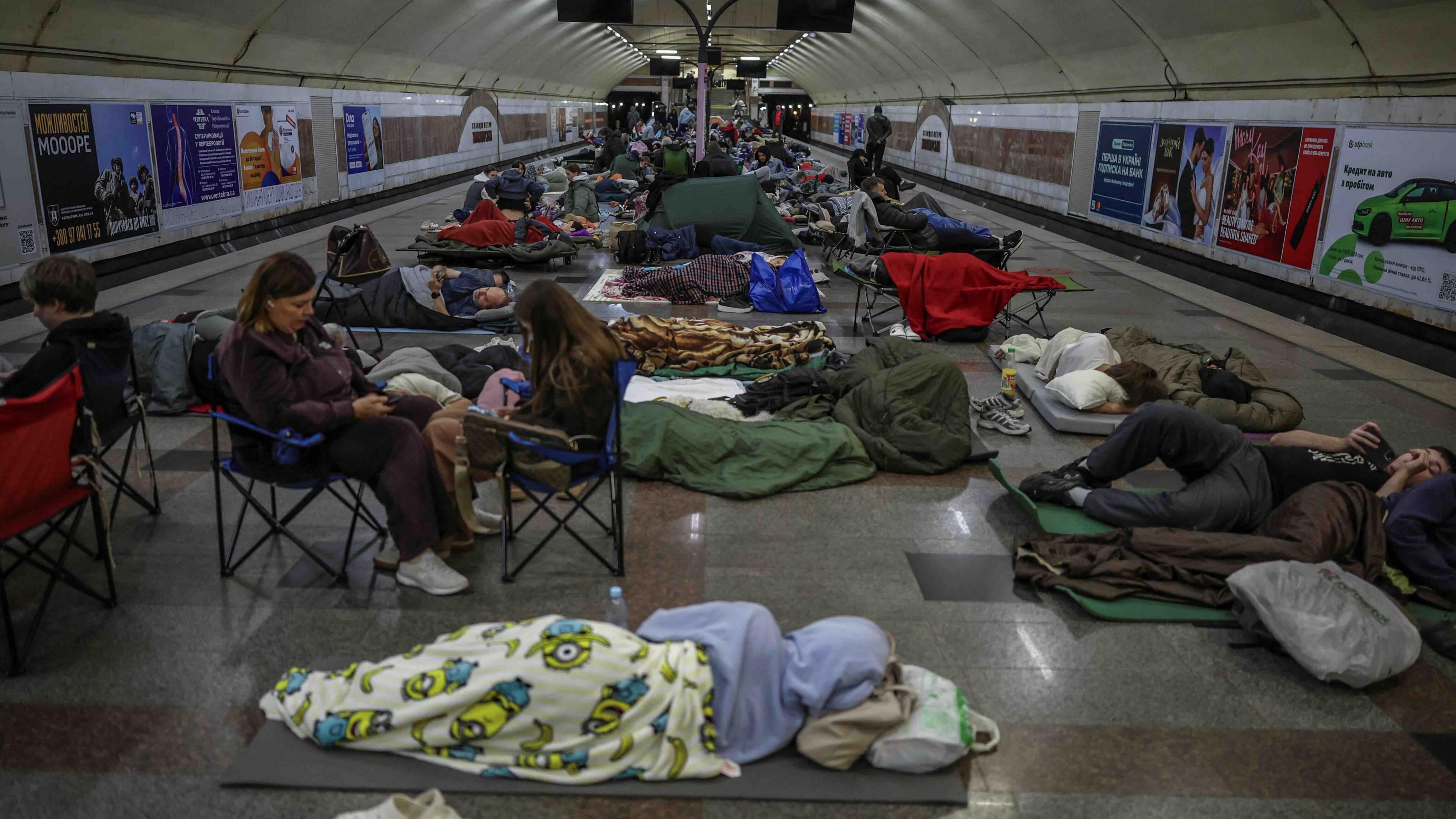
Mayor Kharchenko stressed the need for more shelters and anti‑drone nets, and said anti‑shatter film is being applied to windows in schools and hospitals. “The enemy has stepped up terror against civilians and the city’s everyday life,” she says. She adds that, at night she sleeps on the floor of her high‑rise apartment, living an ordinary life while fearing the next burst of shells.
Residents like Anna, who at times wonders if she should flee, express resolve not to let Zaporizhzhia become a battle‑scarred city. “We’re just doing whatever we can to stay safe until victory comes,” she says.