
In brief
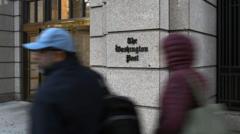
In a surprising turn of events, Ann Telnaes, a highly acclaimed cartoonist for the Washington Post, has officially resigned following the newspaper's refusal to publish her cartoon targeting Jeff Bezos, the paper’s billionaire owner. The rejected cartoon depicted Bezos and other prominent tech moguls, such as Mark Zuckerberg and Sam Altman, on their knees, offering bags of cash to a statue of President-elect Donald Trump. In a candid Substack post shared on Friday, Telnaes explained that this was the first time her work had ever been rejected based on the subject of the illustration rather than its quality or impact.
Editorial page editor David Shipley responded to controversies surrounding the rejection, clarifying that the decision was made due to the cartoon's similarity to another piece set to be published, rather than the subject matter itself. In Telnaes’ view, however, this incident represented a troubling shift in editorial control that poses a threat to a free press. She argued that the cartoon was intended to critique the close ties between wealthy executives and the incoming Trump administration, which could lead to questionable government contracts and regulation rollbacks.Aligning with Telnaes' concerns, she pointed out that her cartoon joining a long tradition of critical satire against influential figures showcases the essential function of editorial cartoons in maintaining a check on power. However, Shipley stated that not every editorial decision reflects negative forces at play, maintaining that good editorial judgment must consider redundancy within the paper's offerings.Telnaes' resignation has drawn attention to the ongoing conflicts at the Washington Post regarding editorial choices, especially in the lead-up to significant political events. Recent actions taken by Bezos, including sizable donations to Trump's inauguration fund and the controversial decision to inhibit the editorial board's endorsement of Kamala Harris, have raised eyebrows within liberal circles, contributing to more than 250,000 subscriber cancellations for the newspaper. The fallout from such dynamics raises questions about the balance between editorial independence and the influences from ownership within major media outlets. In conclusion, the incident serves as a reminder of the delicate relationship between journalism, ownership, and the freedoms necessary to uphold a robust democratic dialogue in a time of political polarization.

