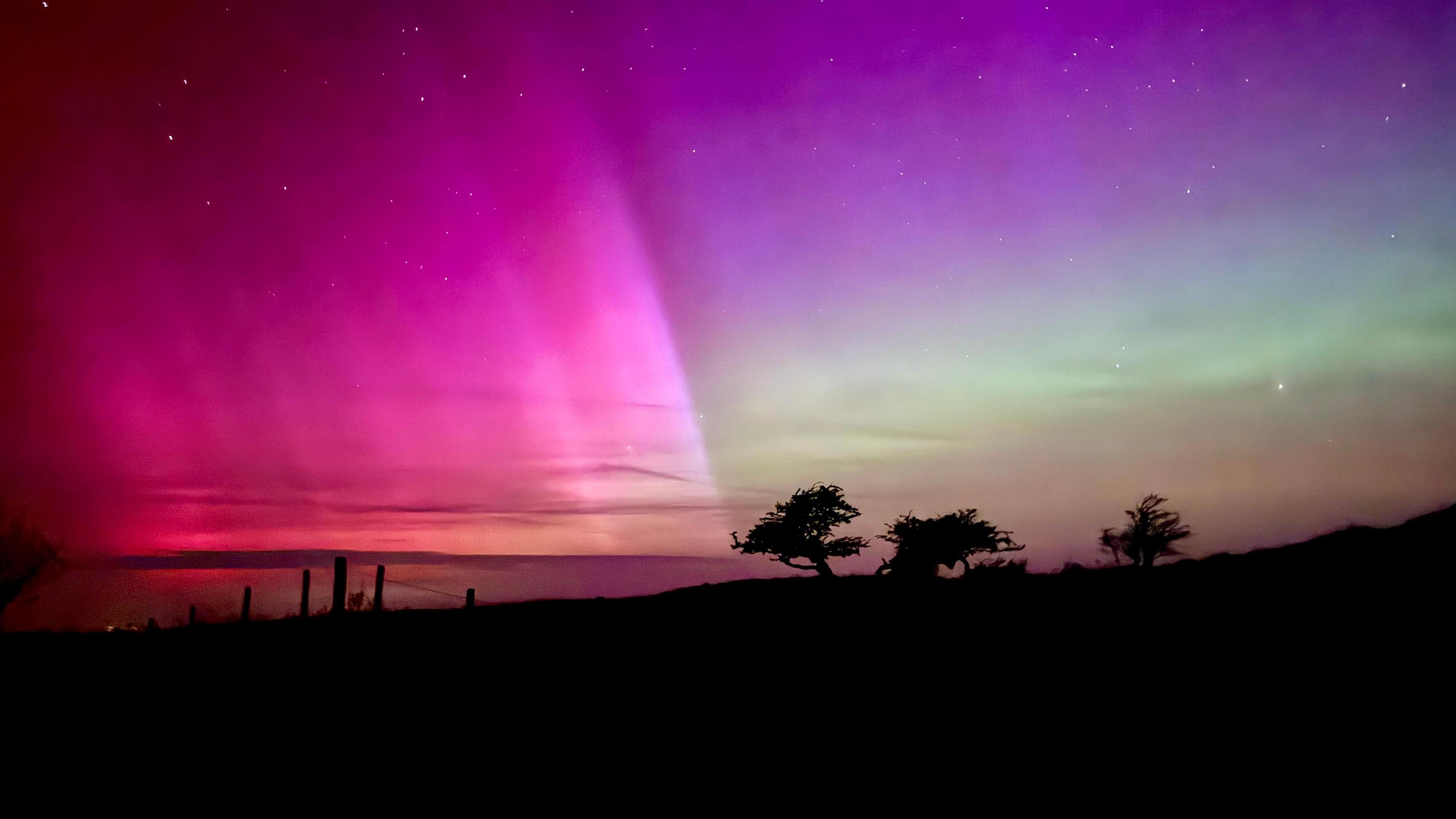
Witnessing a dazzling display of the Northern Lights with vivid sheets of colour dancing across the night sky is a real treat for those lucky enough to be in the right place at just the right time.
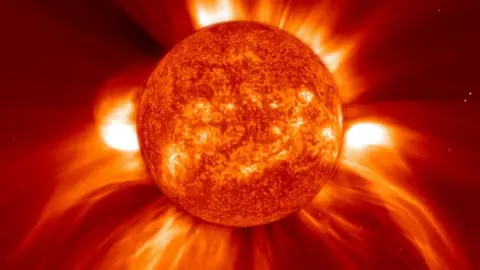
However, the charged particles hurled into space by our tempestuous Sun – the particles that create the aurora borealis – can also unleash very rare but extremely disruptive events here on Earth.
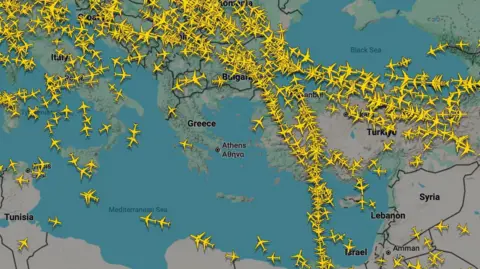
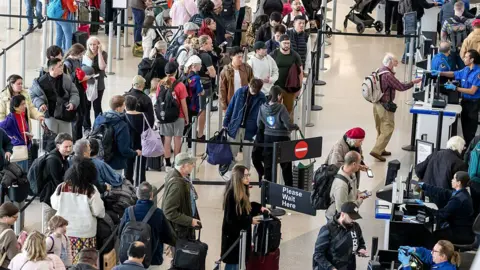
Electricity supplies, satellites, and air travel can all be affected by the most violent solar storms. Recently, 6,000 planes were grounded by Airbus, requiring a software update after one of their planes experienced a sudden drop in altitude in October thought to be caused by interference from intense solar radiation.
This kind of disruption is something that scientists and governments are actively researching and planning for.
What damage can solar storms cause?
The UK government publishes The National Risk Register - a list of serious hazards that could affect the country at some point in the future. It catalogues the sorts of nightmare scenarios that give politicians sleepless nights.
Alongside risks such as nuclear incidents, terrorist attacks, and outbreaks of disease sits the threat of severe space weather.
Much of the planning for severe space weather is based on the Carrington Event of 1859, the most intense geomagnetic storm in recorded history. This created rapid variations in the Earth's magnetic field that caused electricity to be generated in long wires, shocking telegraph operators and causing pylons to spark.
With today’s advanced technologies, a similar event could be far more disruptive. Strong solar storms can cause the Earth's atmosphere to expand, creating drag for satellites, leading some to slow down and fall back to Earth. In February 2022, a solar storm led to the loss of 38 satellites.
Orbital changes of satellites increase collision risks, and sensitive onboard electronics can malfunction. Radio communications can be significantly disrupted, resulting in GPS systems being lost or interrupted for days – a situation that could create traffic chaos in cities.
What are the chances of another Carrington event?
In July 2012, a Carrington-class event narrowly missed hitting Earth. Researchers speculate that we could see events up to ten times larger than the Carrington Event, posing an unprecedented risk to modern society.