US to Approve Saudi Nuclear Programme Deal, Raising Proliferation Concerns
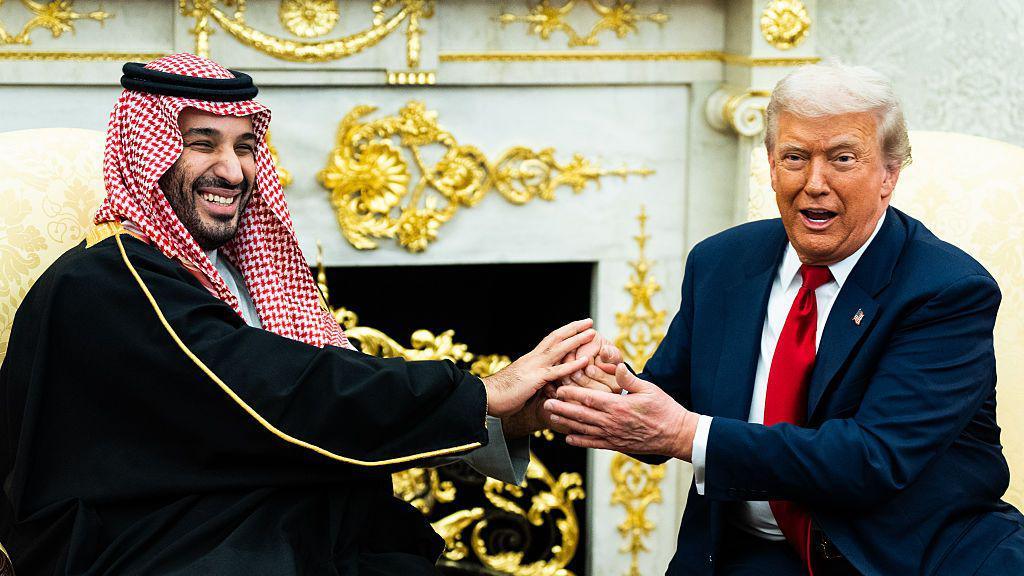
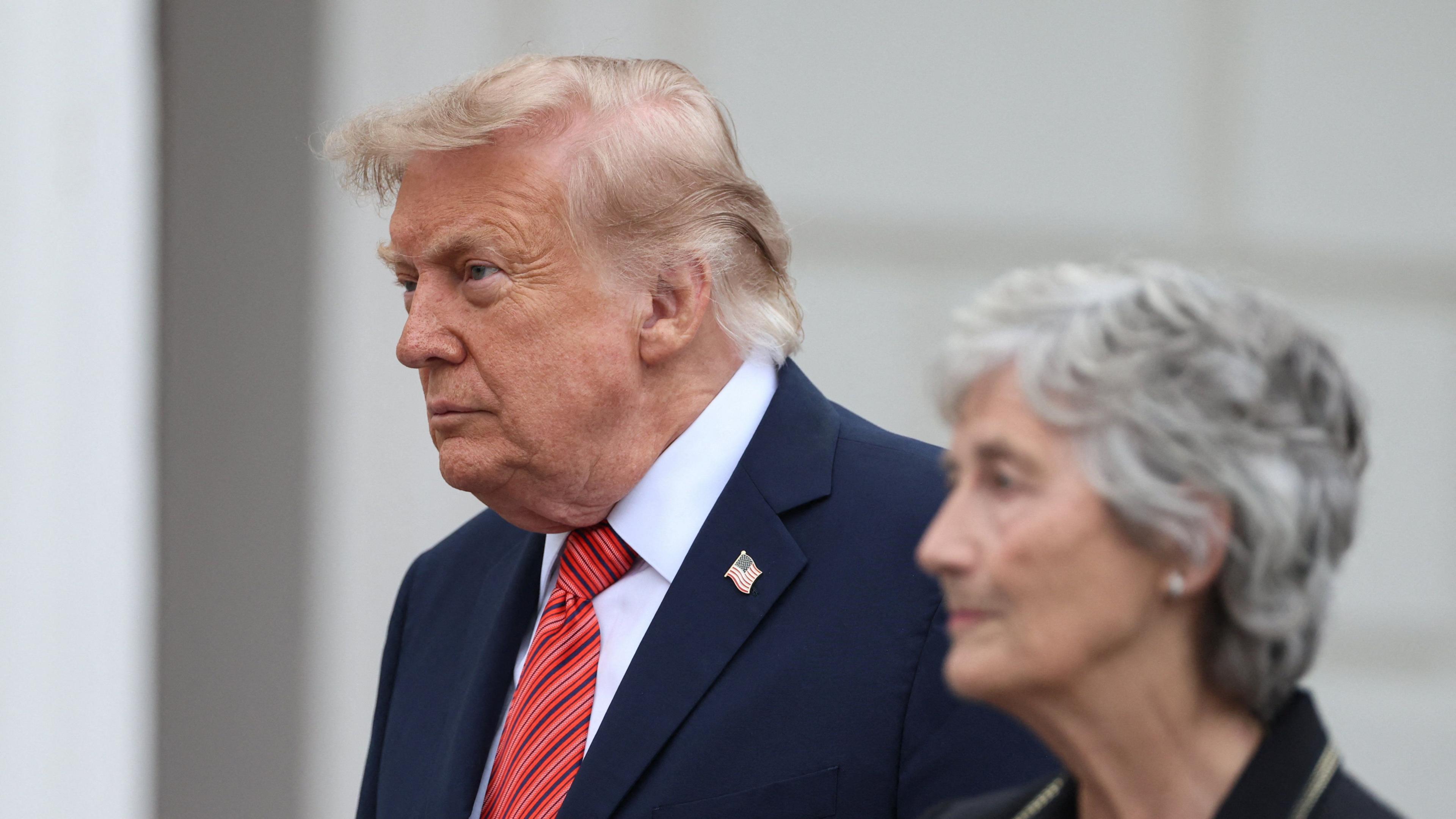
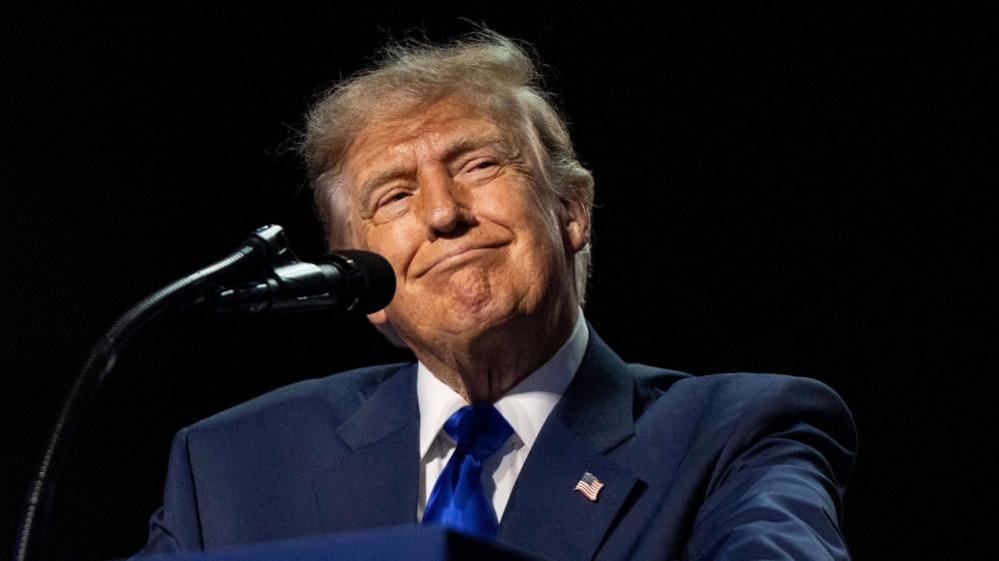
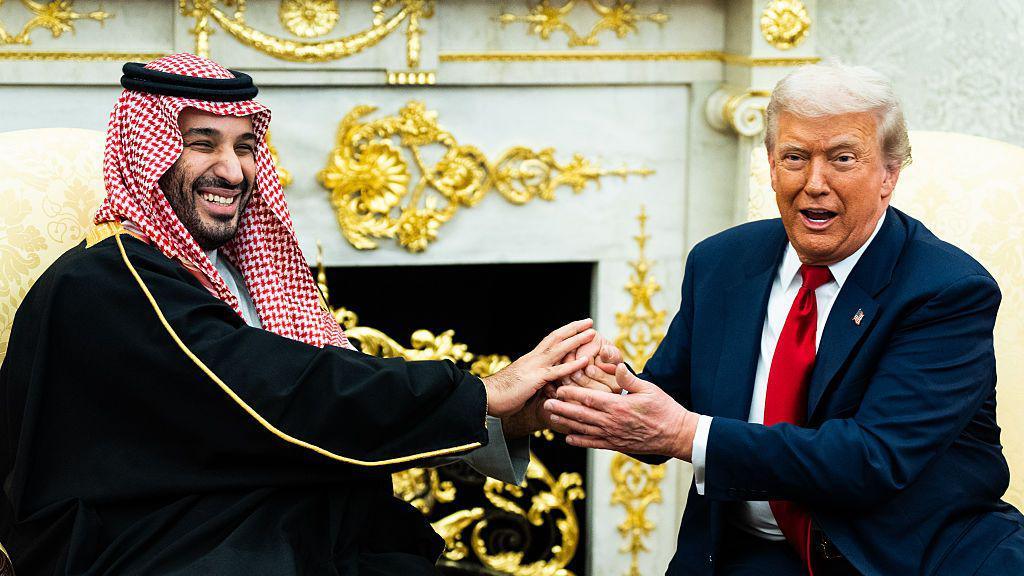
In a move that could reshape the region’s security landscape, the United States and Saudi Arabia are poised to announce a 30‑year agreement that would grant the Gulf kingdom the right to develop a civilian nuclear programme. The deal, reportedly green‑lit by President Donald Trump, is expected to be unveiled on Wednesday.
Under the proposed arrangement, U.S. companies may be contracted to build an enrichment facility on Saudi soil. While the intent is framed around civilian power generation, the enrichment of uranium – a process with dual civilian and military applications – has drawn scrutiny from nuclear‑proliferation experts and former Israeli officials.
The agreement is said to allow Saudi Arabia to produce enriched uranium domestically rather than sourcing it from abroad. Crucially, if enrichment takes place only after a joint U.S. study is completed, the kingdom may face a 10‑year restriction on independent or foreign‑partner enrichment projects.
U.S. lawmakers are expected to weigh in on the pact once it reaches Congress; bipartisan opposition is anticipated despite the Republican control of both chambers. Some critics fear that the deal will deepen the U.S.–Israel alliance while simultaneously signalling to Iran that the status quo of nuclear tension could be altered.
Unlike the 2009 U.S.–UAE nuclear deal, which imposed stringent restrictions on fuel production, the Saudi agreement appears to liberalise enrichment rights. This distinction could attract concern from non‑proliferation campaigners who advocate for tighter limits on regional nuclear capabilities.
The pact does not hinge on Saudi‑Israeli diplomatic normalisation, even though U.S. administrations have long pursued that objective. As geopolitical tensions simmer in the Middle East, the announcement is likely to intensify debate on nuclear policy and regional security.