US Imposes Tariffs on 60 Trade Partners Over Forced‑Labour Concerns
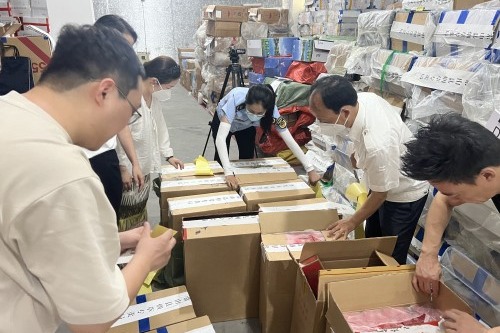
The United States has announced new duties on nearly 60 of its most significant trading partners, a move that covers roughly 99.4% of all U.S. imports. The tariffs, ranging from 10% to 12.5%, are targeted at countries that have failed to curb or prohibit goods produced with forced labour.
This decision follows a period of broad sanctions where Trump‑era tariffs were deemed unlawful by the Supreme Court, prompting the administration to pursue new legal routes. The latest duties are now set to take effect, citing the necessity to correct human‑rights abuses and distortive trade practices.
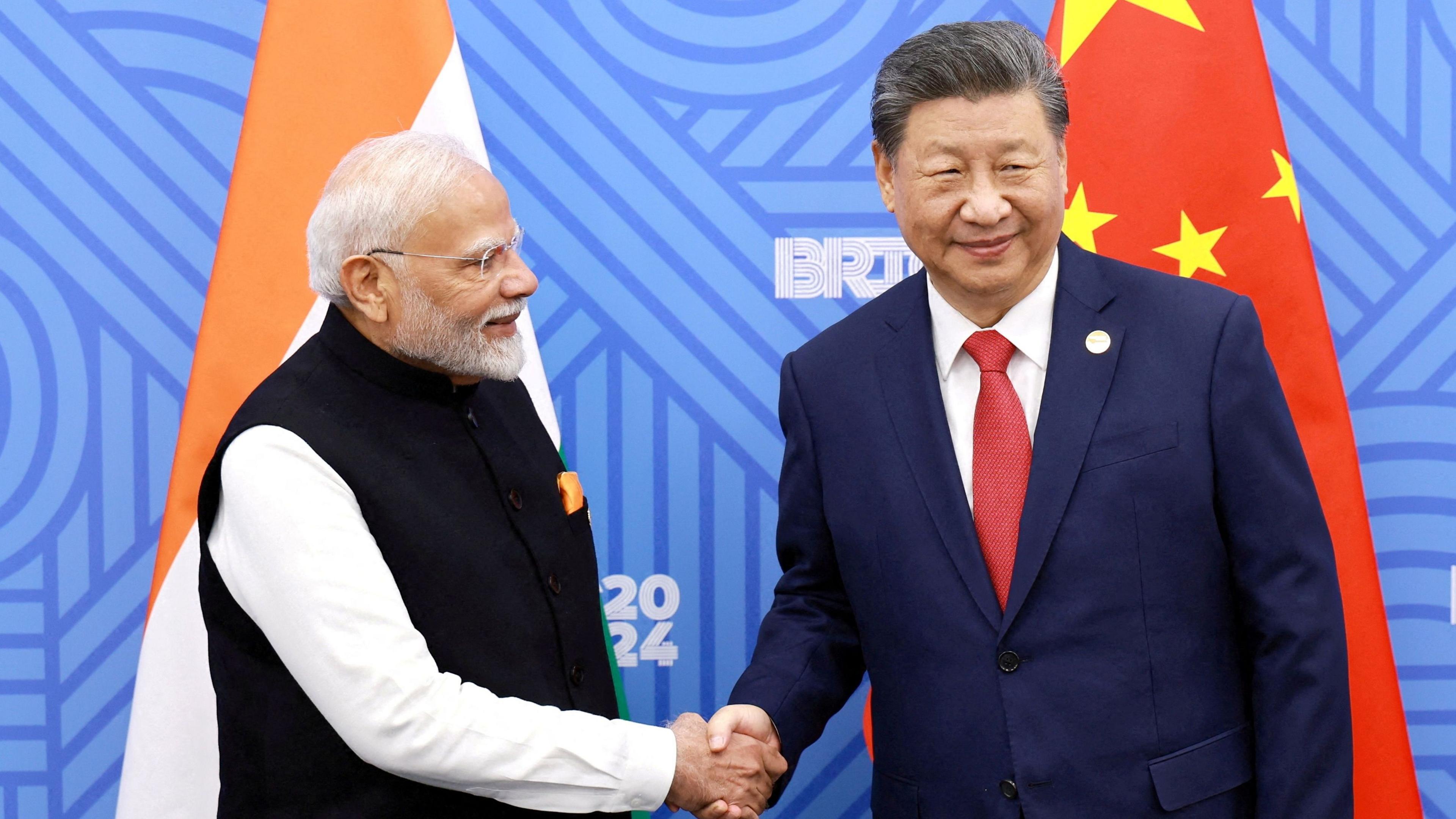
The Office of the U.S. Trade Representative (USTR) clarified that partners who have committed to enforce bans on forced‑labour imports will face the lower 10% rate. Those lacking such commitments will be subjected to the higher 12.5% duty. Nations such as the United Kingdom, China, the European Union, Canada, Japan, and India are among the affected.
The tariffs are presented as a step toward safeguarding American manufacturing jobs and ensuring fair competition. However, critics and international trade groups argue that these duties could raise the prices of everyday goods—from coffee to microwaves—by forcing importing companies to pass costs onto consumers.
Some partners already urge legal challenges or retaliatory measures. Meanwhile, the USTR is investigating an additional 16 countries for manufacturing overcapacity, potentially paving the way for future duties later in the year.
The implications of these tariffs will unfold across global markets, affecting consumer prices, supply chains, and international labor standards.