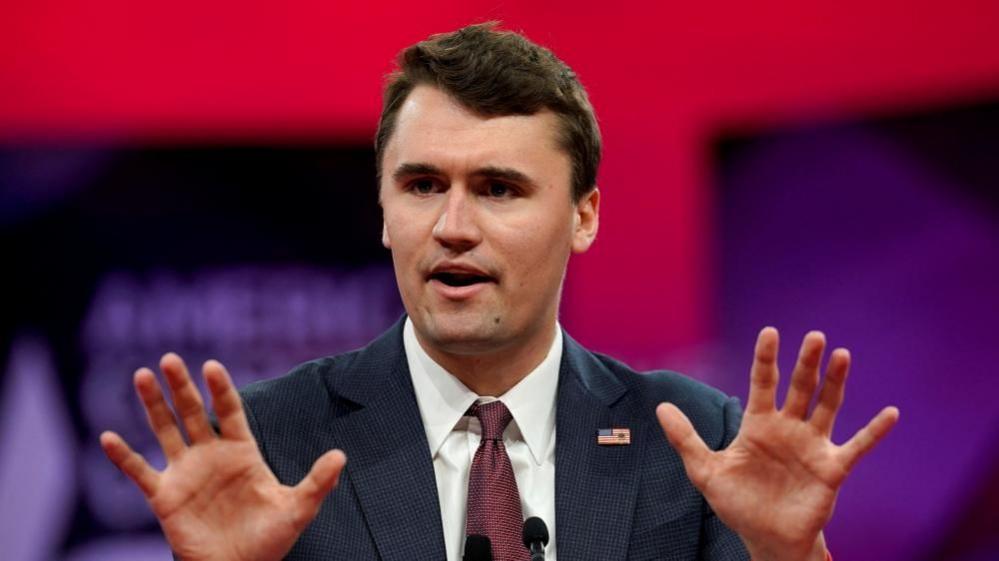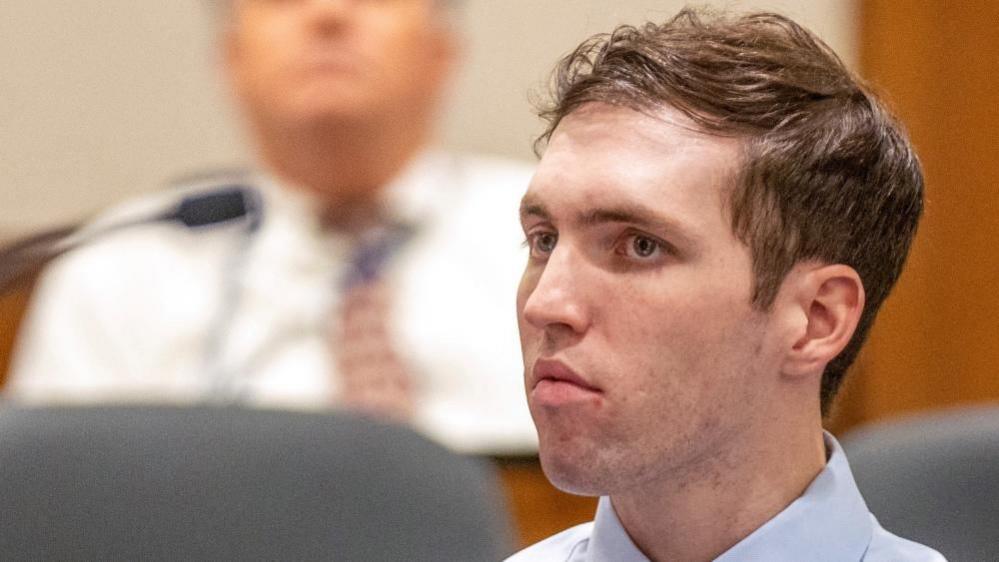
In a September 11 Utah County courtroom, prosecutors testified that the evidence against 23‑year‑old Tyler Robinson is “devastating.” The case hinges on DNA recovered from a rifle that Robinson allegedly used to shoot political activist Charlie Kirk, a key Trump ally and founder of Turning Point USA, on the campus of Utah Valley University.
Chicago‑based record shows that in the 48‑hour window around the shooting, police footage captured a man resembling Robinson moving in and out of campus, purchasing items at Chick‑Fil‑A, and even interacting with staff from Kirk’s organization. A later rooftop clip shows a figure—identified as Robinson—standing on the Losee Center roof, the spot from which Kirk was shot from 415 ft. His hand was later seen holding an object that was identified as the rifle.
Robinson’s roommate, Lance Twiggs, provided a recorded interview where he says the suspect confessed to the killing. Text messages between Robinson and Twiggs reveal that Robinson acknowledged the crime and expressed regret, saying, “I had enough of his hatred.” The evidence also includes engraved cartridges with messages “Hey Fascist! Catch!” found both at the crime scene and at Robinson’s home.
Prosecutors described the case as a classic “sign‑print” scenario: DNA matched from the rifle and a towel to Robinson, establishing presence at the scene. The defense challenged the chain of custody and the validity of the forensic methods, arguing that the reports were tainted by bias and confessions from a suspect not yet guilty of the murder.
Chief Deputy Utah County Attorney General Chad Grunander told Judge Tony Graf that the evidence is “overwhelming” and “devastating.” The judge ruled that Robinson would be tried on aggravated murder, a death‑penalty offense in Utah.
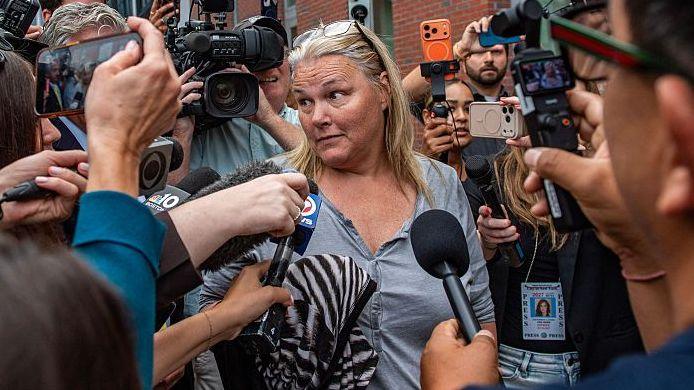
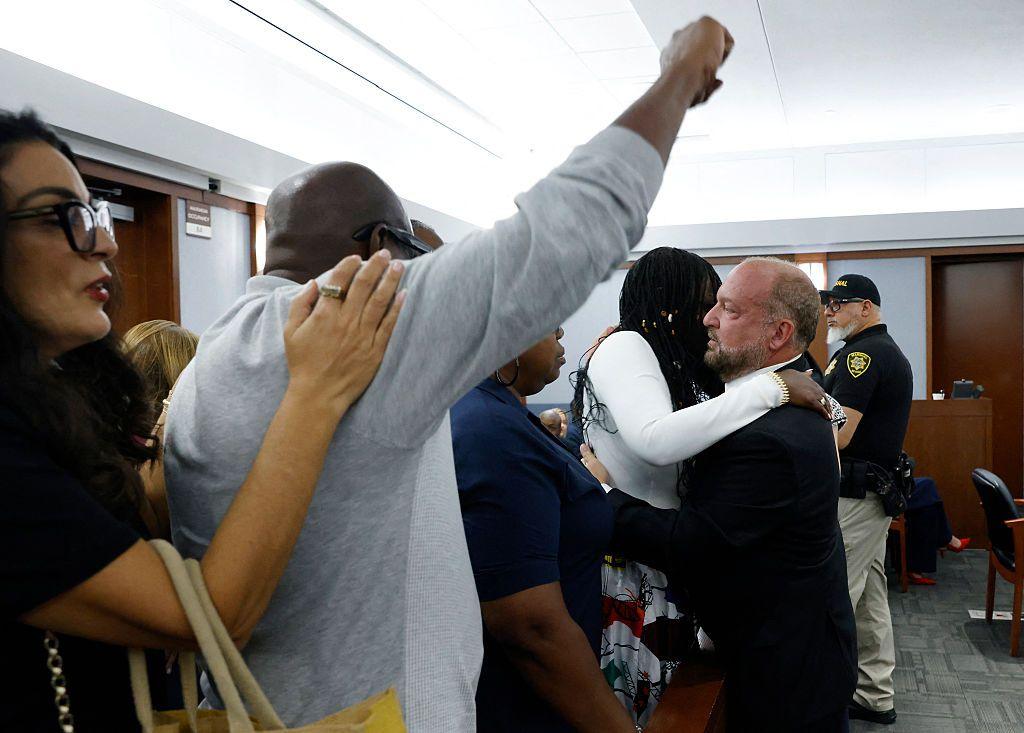
The courtroom arena was heavy with emotion. Kirk’s widow, Erika, and his parents waited for the verdict. The prosecution also presented video footage of Robinson’s arrival at the campus, which was later caught by federal authorities.
Where the defense cross‑examined witnesses, prosecutors underlined the careful methodology of the ballistic analysis and the strong association of the firearm to a long‑modified family rifle. The court decision on the admissibility of the photographic evidence is still pending.
The next scheduled hearing is September 1. Both sides must submit detailed written briefs before that date, and the judge will decide whether the case moves forward to trial. The proceedings remain under close scrutiny for possible implications on political violence and the use of firearms in Utah.