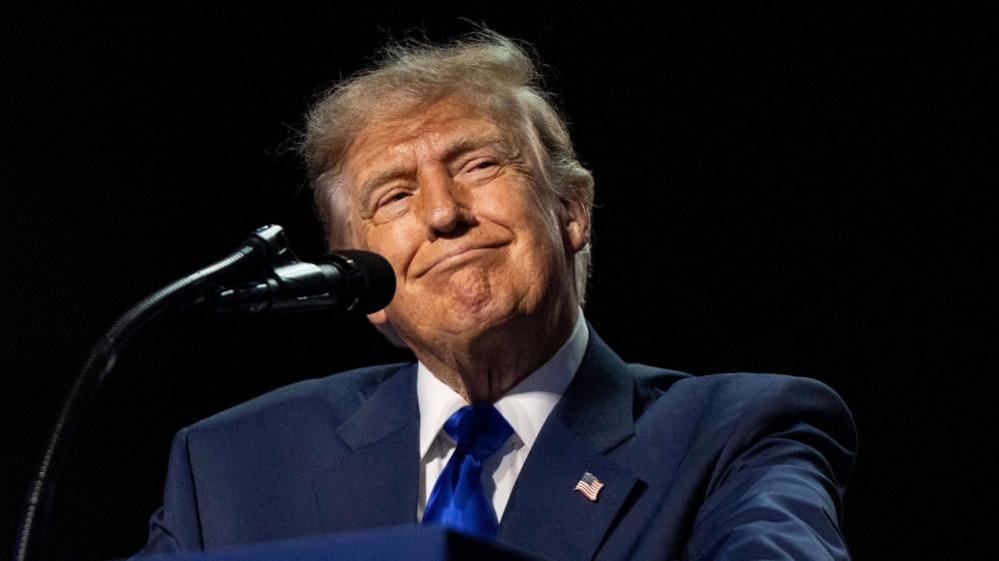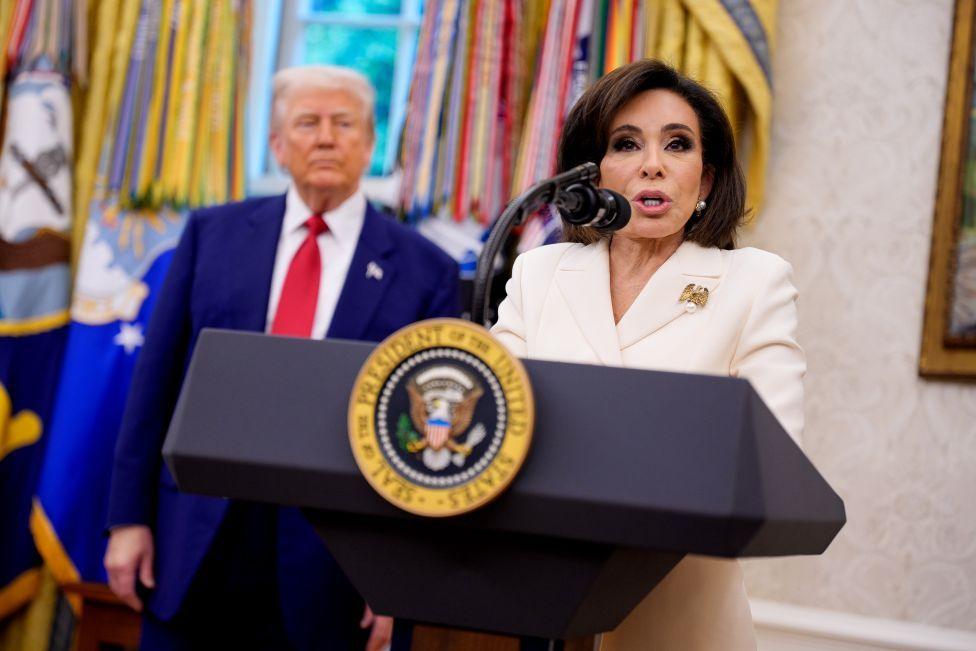
Donald Trump’s presidency is feeling the heat of a relentless political backlash. In early August 2026, the former U.S. Attorney Jeanine Pirro—once a Fox News host and a long‑time Trump ally—announced the dropping of felony charges against former Olympian David Hearn, who had allegedly damaged the Reflecting Pool near the Washington Monument. The decision, framed as a botched installation rather than vandalism, surprised a president who had publicly defended the act.
Trump responded on Truth Social, decrying the move and insisting his narrative remained “real.” Over the next day, the claim that Pirro had “folded” like an umbrella was echoed in an Oval Office brief. Yet the legal logic underpinning the drop stood on shaky evidence, leaving the president to confront a reality he’s reluctant to admit.
Simultaneously, the Senate is fighting back on another front. Todd Blanche, Trump’s former criminal defence lawyer, was pushed back by Republican Senators John Cornyn and Thom Tillis, joined by Democrats, after he declined to disavow a clandestine $1.8 billion fund allegedly earmarked for political prosecutions. The Senate’s insistence generated angry comment from the White House, with Trump expressing a lack of knowledge about Blanche’s new stance.
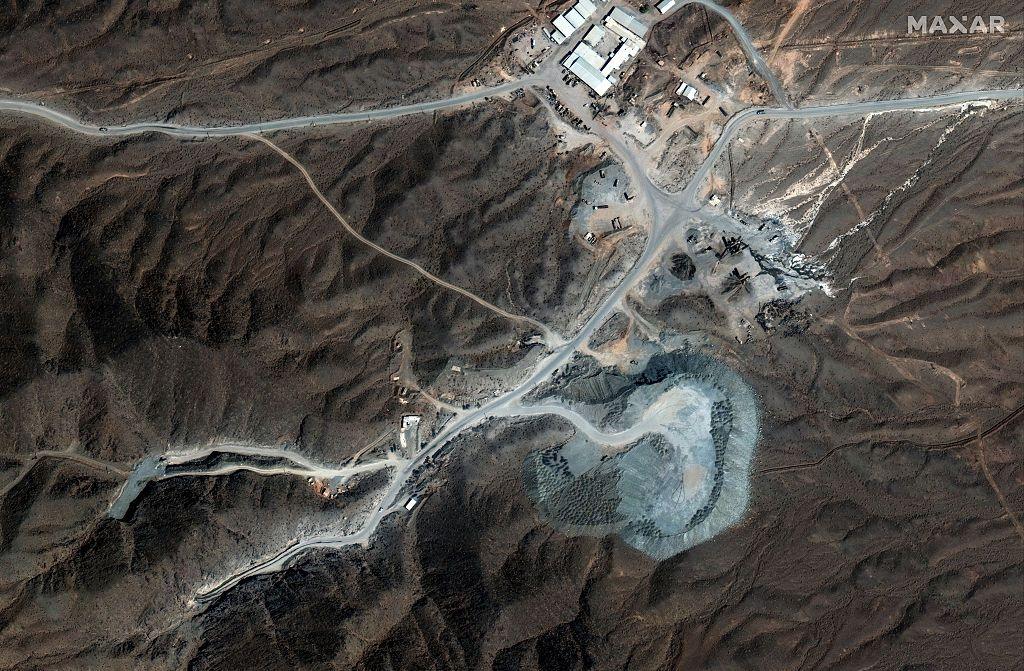
The culmination of these setbacks is unfolding against a backdrop of stalled Iran negotiations. Trump characterises Iran’s communications as duplicity, claiming, “They ask for a meeting… then deny any talks.” Officials deny new negotiations, and US polls show growing disapproval of his foreign‑policy handling.
For the rest of the term, these challenges will weigh on the president—whether the court case, G‑man politics, or the Iran crisis. The next mid‑term elections will test whether Trump’s bold narrative can endure beyond the courtroom drama and Senate opposition. The nation watches, and every tweet, brief, and vote adds its own weight to the unfolding story.