Trump’s Protest Unmasks Landmark Housing Bill Signed into Law
On Friday night, the United States signed a sweeping housing bill that cuts costs for renters and homeowners alike, despite President Donald Trump publicly opposing the legislation in protest over a stalled voter ID act.
In June, both chambers of Congress reached a bipartisan agreement to pass the 21st Century Road to Housing Act, a measure with over forty provisions designed to ease construction and limit the acquisition of single-family homes by institutional investors nationwide.
Experts describe the law as the most comprehensive effort in the 21st Century to tackle rising housing costs, with median home prices hitting a record $440,660 in June and many families requiring incomes far above the national average to afford an average market home.
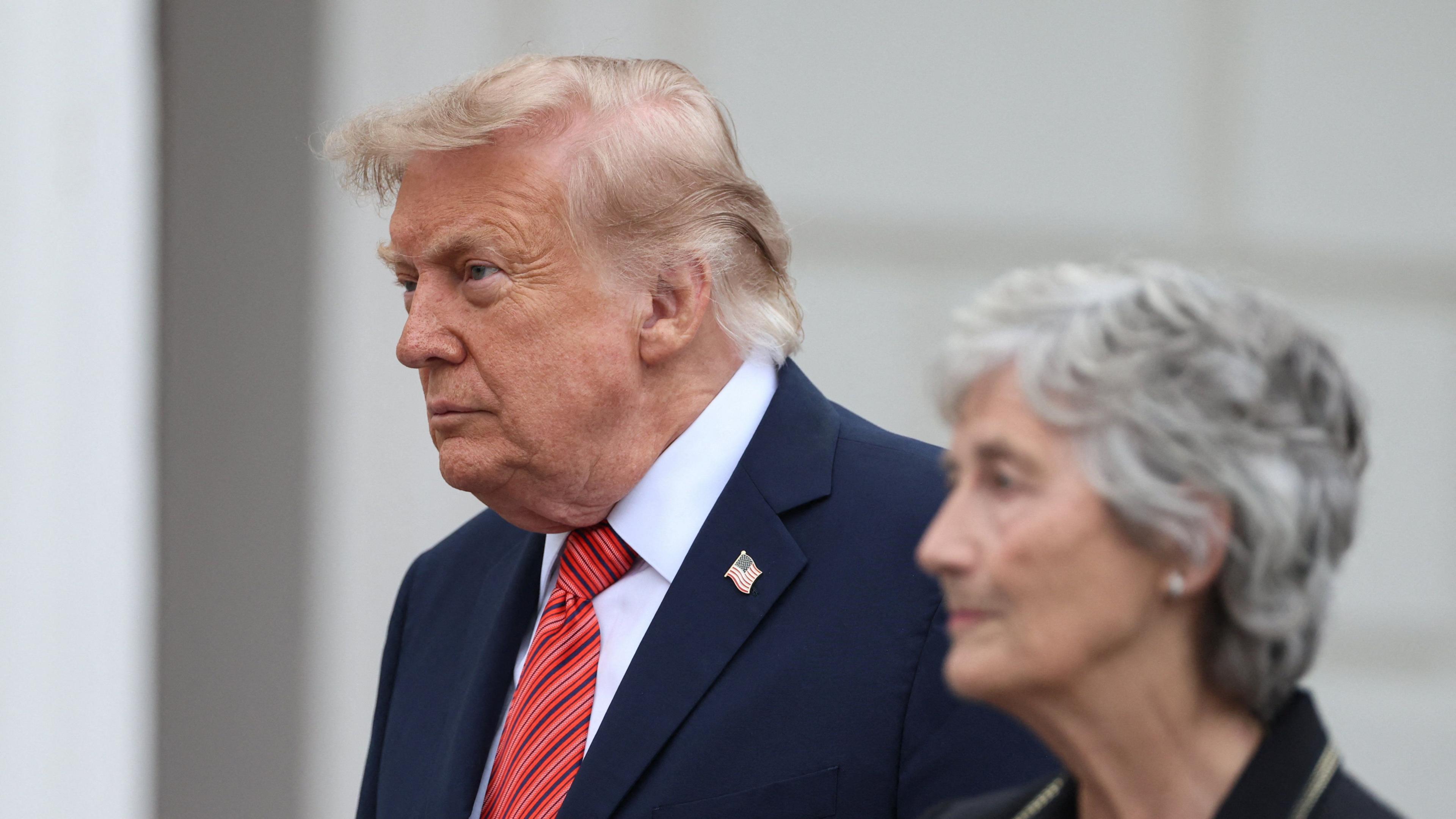
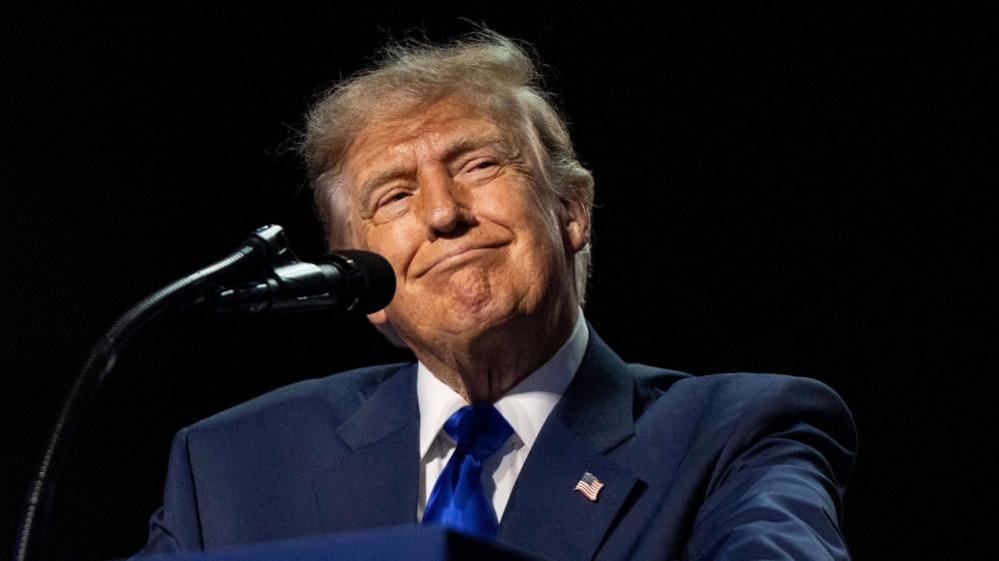
Trump’s refusal to sign the bill, citing the need for a voter ID law to be enacted before he would give his endorsement, meant that by default the bill became law overnight, as the presidential veto was not exercised.
The bipartisan passage came alongside a survey by the Bipartisan Policy Center that found 89% of voters nationwide demanded congressional action on housing affordability.
Republican lawmakers argue the lack of support for the Save America Act, which requires voters to present ID and proof of citizenship, signals a legislative gap that must be addressed before housing issues can be tackled.
In response to the president’s stance, Democratic leaders on social media commented that the administration’s focus has shifted from easing home building to restricting voting rights, with House Minority Leader Hakeem Jeffries stating Republicans prioritize limiting voting participation over making homes more affordable.
The new law incorporates a range of measures such as streamlining permitting processes, expanding federal housing programs, and capping institutional investment in single-family homes to increase supply and lower costs for the average American.