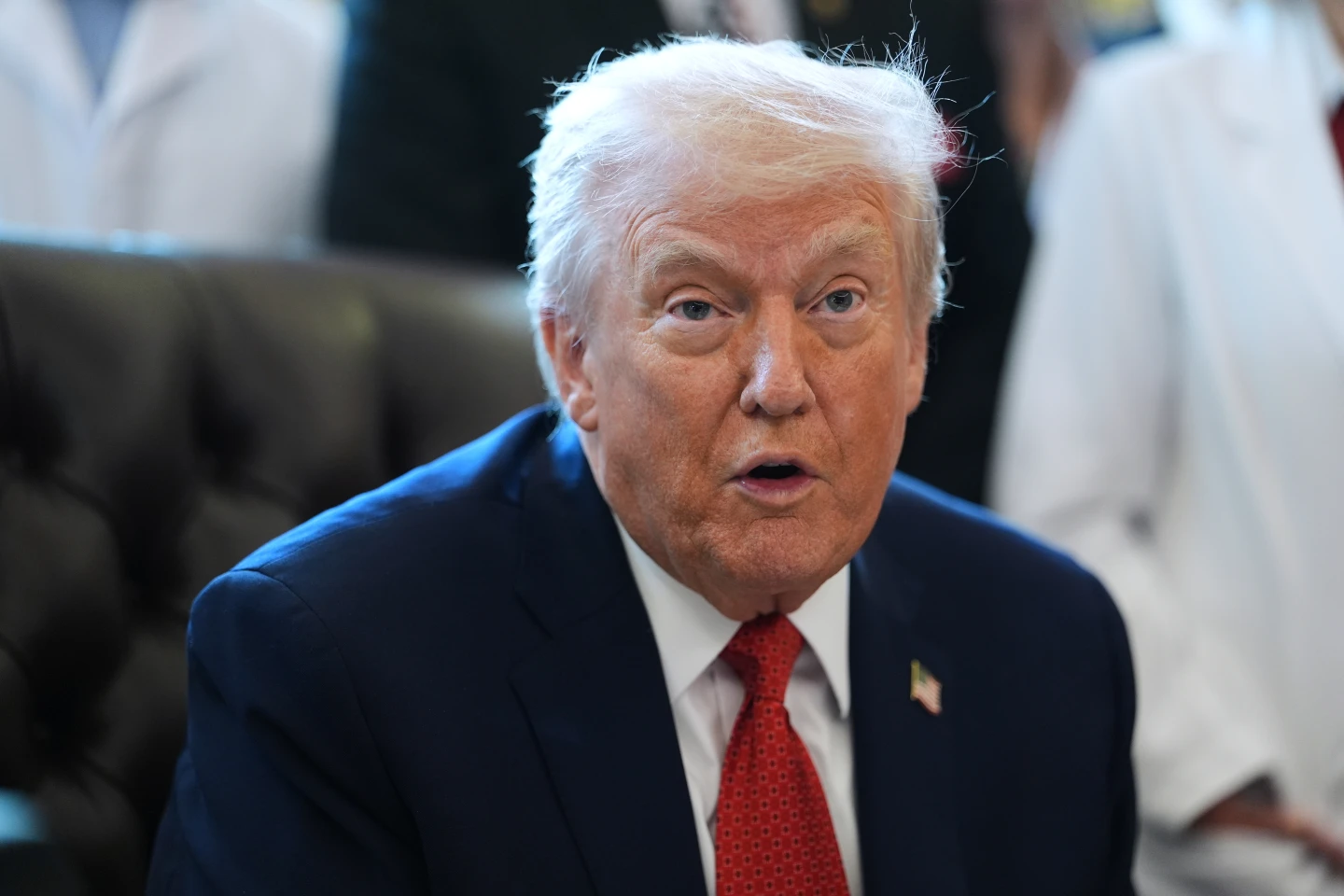
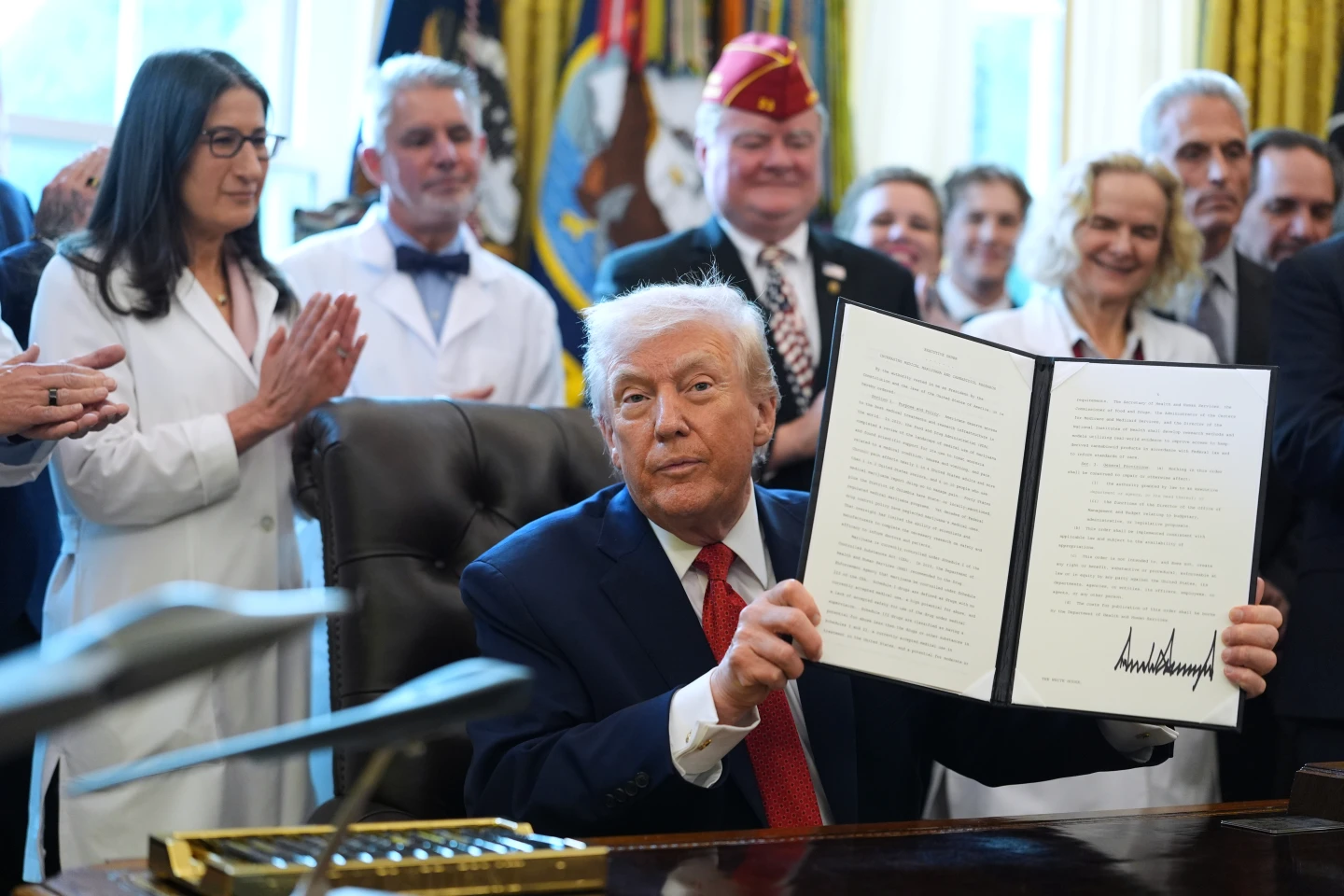
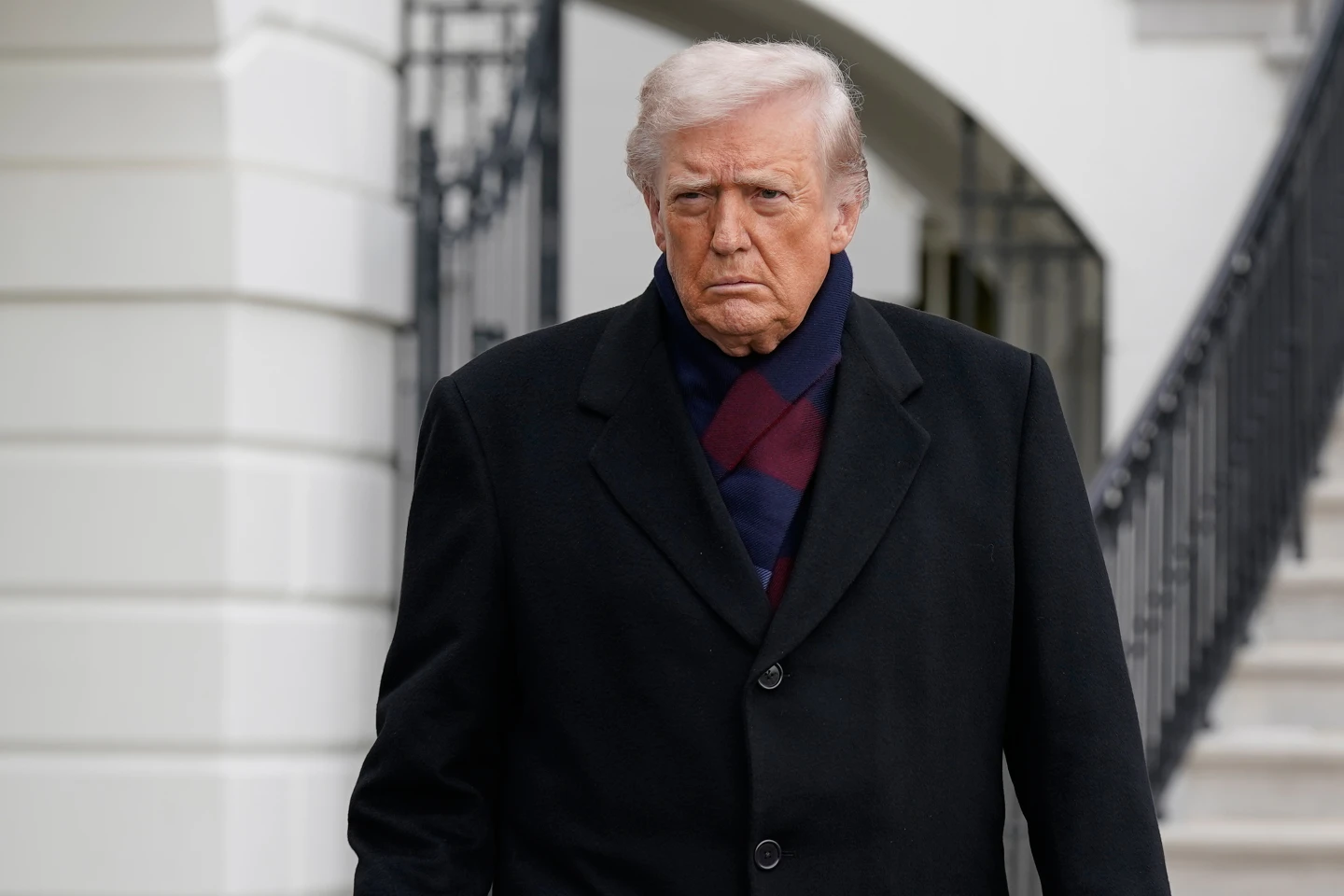
US President Donald Trump announced on Friday that nine major pharmaceutical companies have agreed to lower the cost of their prescription drugs in the United States. The companies involved include Amgen, Bristol Myers Squibb, Boehringer Ingelheim, Genentech, Gilead Sciences, GSK, Merck, Novartis, and Sanofi.
As part of this new agreement, the drug prices for Medicaid will now be aligned with what these companies charge in other developed nations. Furthermore, new drugs from these manufacturers will adopt a 'most-favored-nation' pricing model across all markets, which covers commercial and cash pay options as well as Medicare and Medicaid.
Currently, Medicaid patients pay a nominal co-payment for their prescriptions. The reduction in drug prices could also relieve state budget pressures that fund these programs.
Analysts note that lower prices will benefit those without insurance coverage, who typically lack the means to negotiate better pricing. Despite these reductions, many patients may still find themselves facing substantial costs, even with steep discounts available through government programs.
William Padula, a health economics professor, remarked that while Medicaid already features favorable drug rates, the implications of the new pricing strategy could encourage more research and development in the pharmaceutical sector. He emphasized that any improvements in health outcomes for the population will be the true measure of success.
In addition, the Trump administration is poised to launch a platform named TrumpRx in January, which will enable consumers to purchase medications directly from manufacturers. Furthermore, some drugmakers have pledged to donate crucial medications to aid emergency preparedness and access.
With these agreements, the Trump administration has successfully negotiated lower drug costs with 14 companies this year, addressing concerns that U.S. prices for brand-name drugs significantly exceed those in other countries.