
In brief
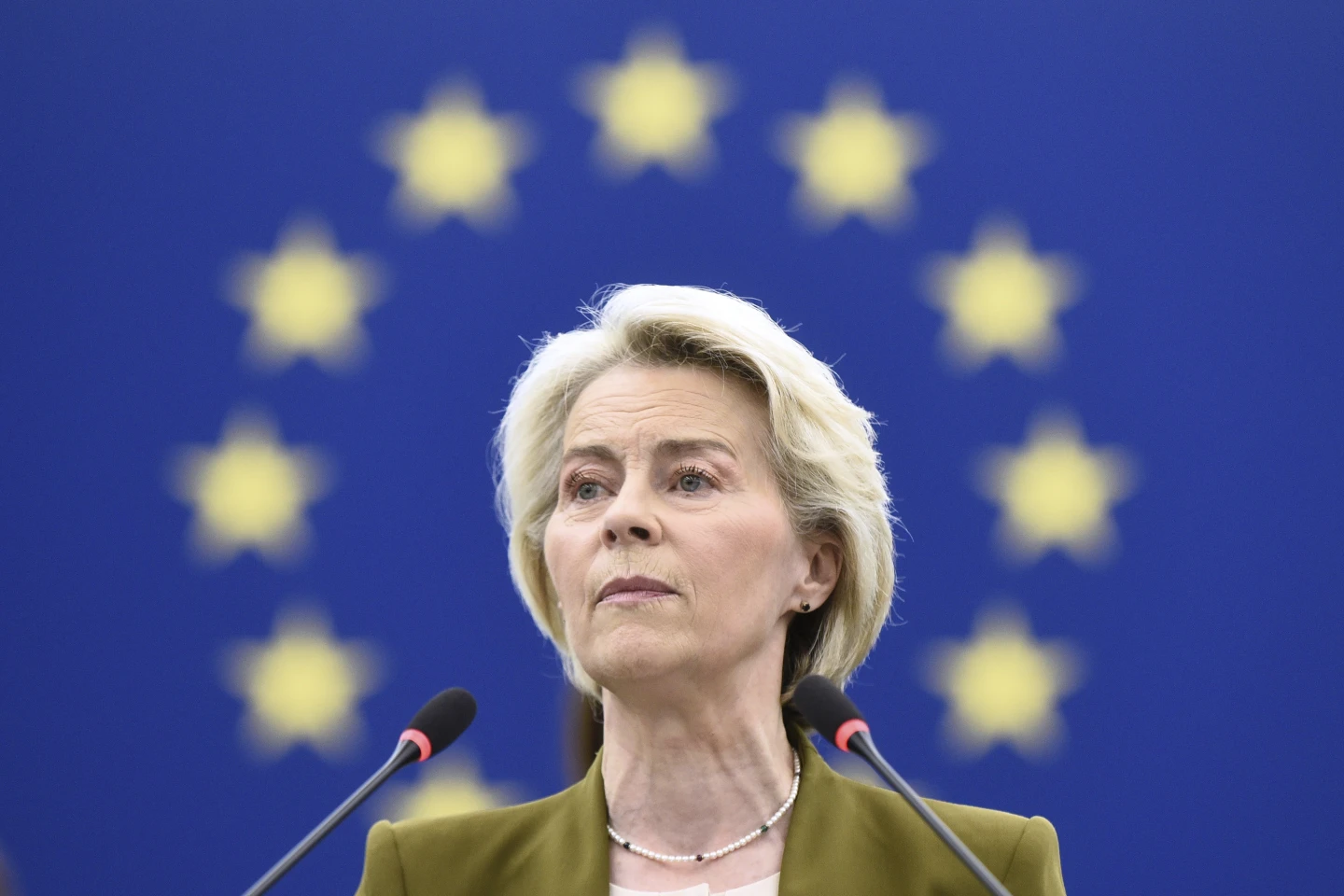
Ursula von der Leyen, President of the European Commission, delivered a stirring State of the Union address, declaring that Europe is engaged in a struggle for its values and independence against aggressive powers such as Russia. Asserting the need for trade restrictions, sanctions, and enhanced support for Ukraine, von der Leyen highlighted the urgency of addressing the humanitarian crisis in Gaza and the importance of the EU's unity in the face of global uncertainty. She also defended a controversial tariff deal with the US, stressing the importance of transatlantic ties for European jobs and stability.
Fight for Values
“Europe is in a fight,” von der Leyen told EU lawmakers in Strasbourg, France. “A fight for our values and our democracies. A fight for our liberty and our ability to determine our destiny for ourselves. Make no mistake — this is a fight for our future.”
“Battle lines for a new world order based on power are being drawn right now,” she said, emphasizing that the EU must fight for its position among world powers that are often hostile towards Europe. “This must be Europe’s independence moment,” declared the Commission President.
Russian Aggression
On the ongoing war in Ukraine, von der Leyen asserted that Russian President Vladimir Putin shows no signs of ending the conflict, calling for increased sanctions and pressure on Russia to negotiate. In a direct response to recent drone incursions into Poland, she condemned these violations and reiterated Europe’s solidarity with its member states.
Support for Ukraine
Addressing Ukraine's economic hardships, she mentioned potential plans to use frozen Russian assets to support Ukraine's economy, while also unveiling a significant new investment in drone technology as part of the military effort.
Response to Gaza Conflict
In a notable shift, von der Leyen expressed a desire to freeze financial support to Israel amidst the ongoing conflict in Gaza, advocating for sanctions aimed towards easing the humanitarian crisis.
U.S. Tariff Deal
Despite facing criticism for a trade deal with the U.S., von der Leyen defended the arrangement, stressing the necessity of the U.S. as a key trading partner for Europe and highlighting its importance for the jobs and livelihoods of millions.