In brief
A massive crowd gathered in New Delhi’s historic Jantar Mantar square on the opening day of Parliament’s monsoon session to protest alleged NEET exam paper leaks and demand the resignation of Education Minister Dharmendra Pradhan. Led by the youth‑led Cockroach Janta Party (CJP), demonstrators marched towards the Parliament building despite a police blockade that forced many to turn back. Police baton‑charged the crowd, leaving several injured and prompting a meeting between CJP leaders and Health Minister JP Nadda. The unrest highlights growing public frustration over educational transparency, jobs and governance in India. The protest showcased the rapid rise of the CJP as a new political voice among students and professionals across the country.
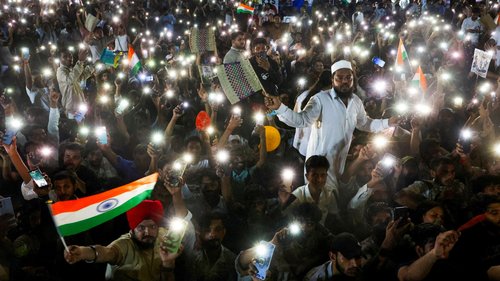
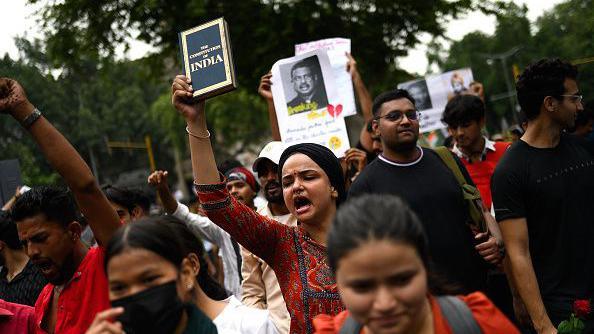
On the opening day of Parliament’s monsoon session, a vast crowd of tens of thousands converged on Delhi’s historic Jantar Mantar square to march towards the Parliament building, demanding that Education Minister Dharmendra Pradhan resign amid allegations of NEET exam paper leaks.
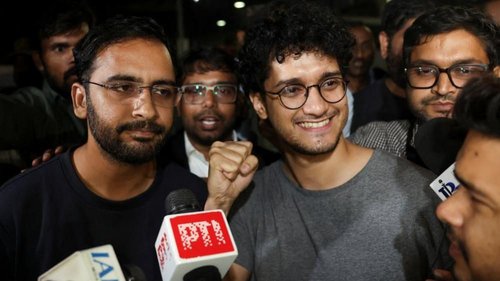
The protest was organized by the youth‑led Cockroach Janta Party (CJP), a movement that sprung from a chief justice’s remark comparing young, unemployed citizens to cockroaches. The party embraced the label, turning the insect into a symbol of frustration and resistance.
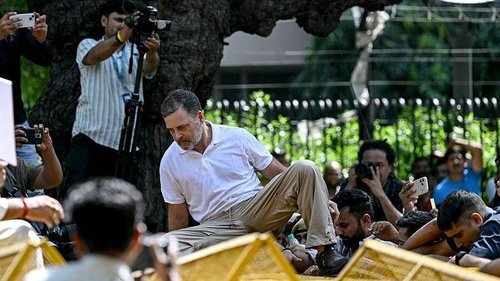
Police blocked the march with heavy barricades, and as demonstrators pushed against the barriers, officers employed batons to disperse crowds. Reports of injuries emerged, with volunteers treating several protesters for bruises and head wounds.
While some protesters threw themselves onto the road waving flags and chanting, others formed smaller groups attempting to crawl through side streets to reach the Parliament. Those who were unable to continue were escorted back with the aid of fellow demonstrators.
In an attempt to de‑escalate the situation, CJP representatives met with Health Minister JP Nadda, submitting a letter outlining their demands and receiving a pledge that the matter would be raised in the cabinet. Nadda later urged protesters to end the demonstration and restore normalcy in the capital.
Despite the meeting and call for calm, conditions on the ground remained tense. By late afternoon, police in riot gear entered Jantar Mantar and announced over loudspeakers that protesters could no longer stay, forcing many to flee while others refused to leave.
The incident underscores the growing discontent over education policy, job prospects, and government transparency, as well as the rapid rise of the CJP as a new voice in Indian politics.