
In brief
A glacial melt on the Trift Glacier in Switzerland exposed the bodies of two Belgian hikers who vanished in 1992 near Weissmies. An unidentified hiker discovered the remains on 26 July, and DNA confirmed the identities of the men, aged 39 and 41. The discovery highlights the rapid retreat of Swiss glaciers—shrinking by a quarter over the last decade—and its role in unearthing long‑lost bodies. The Valais police recovered the remains, transferring them to Sion for final identification. Similar cases include a German climber found in 2023 and a growing number of graves revealed by receding ice worldwide.
Bodies of two missing hikers found after Swiss glacier melts
The bodies of two Belgian men who went missing in the Swiss Alps in 1992 have been discovered after being exposed by the melting of a glacier, Swiss police confirmed.
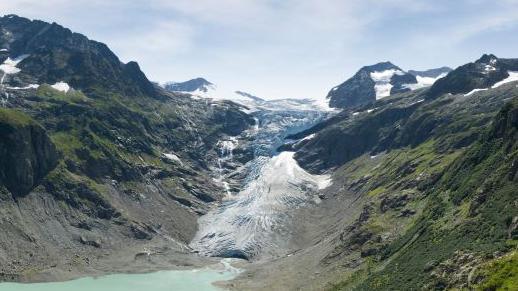
A hiker found the bodies on 26 July on the Trift Glacier, south of Lucerne. DNA analysis later confirmed them to be those of the missing mountaineers, who were aged 39 and 41 when they disappeared near Weissmies.
Scientists attribute the rapid retreat of Switzerland’s glaciers—having shrunk a quarter of their surface area since the early 2000s—to climate change.
Valais police organised a recovery operation upon discovery and transferred the remains to a hospital in Sion for final identification.
The Weissmies peak, standing over 4,000 metres, is a popular mountaineering spot in the Saas Valley.
Regional officials maintain a database of missing persons dating back to 1925, with most cases recorded in mountains or water bodies. They noted that this was not the first time glacier melt has uncovered remains; in 2023, a German climber’s body found near the Matterhorn was identified the same way.
Global glacial shrinkage has been accelerating since the 1990s, especially since 2000, per data from the European Commission’s Copernicus monitoring body. Glamos reports a further 3% reduction across Switzerland in 2025, following record ice loss in 2022 and 2023.
Rising temperatures have brought unseasonably warm weather to higher altitudes in Switzerland, reducing snowfall and threatening some ski resorts and competitions.
