In brief
In 1999, Australian missionary Graham Staines and his two sons were murdered by a mob led by Dara Singh in eastern India. After decades of imprisonment, Singh has filed a remission petition, prompting the Supreme Court to consider his early release. The case has sparked fear among India’s Christian minority, who recall the brutality of the crime and the nation's history of anti‑Christian violence. The board reviewing Singh’s application is due to present a verdict by September 2. The outcome may influence future proceedings involving extremist offenders and minority communities.
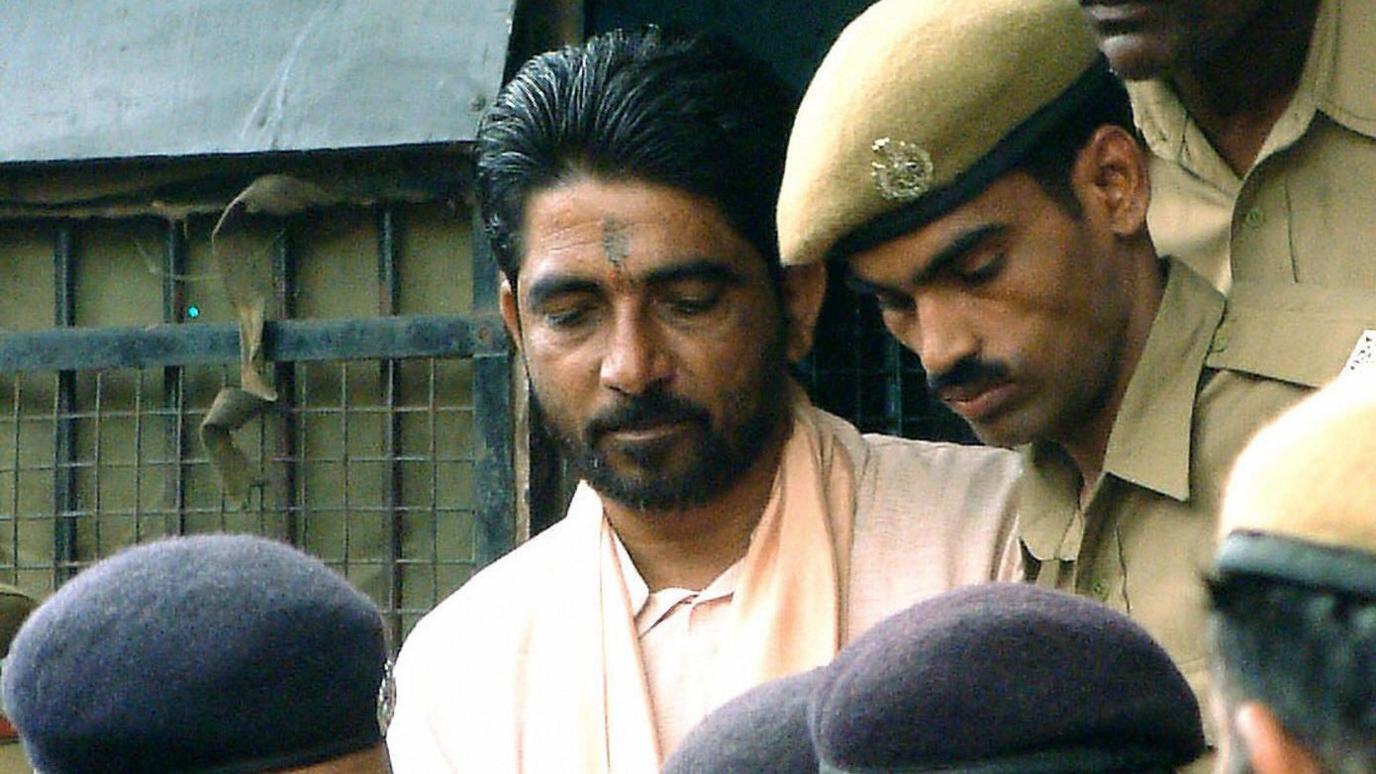
In 1999, Australian missionary Graham Staines was murdered along with his two sons in a brutal arson attack in Odisha, eastern India. The crime was carried out by a mob led by Dara Singh (also known as Rabindra Kumar Pal) and was witnessed worldwide as a shocking act of anti‑Christian violence.
After his capture in 2000, Singh was arrested and has since spent over 25 years in prison. In 2011, the Supreme Court upheld his life sentence, rejecting a plea to reinstate the death penalty.
Recently, Singh filed a remission petition claiming good conduct and remorse. He argues that his actions were driven by youthful fervour and not personal hatred towards victims.
The court’s 2‑judge bench, Justice Manoj Misra and Justice Vijay Bishnoi, has warned that if the State’s Sentence Review Board (SRB) fails to decide by 2 September, the court will intervene. The last hearing was held on 19 August, after the SRB requested additional paperwork.
The decision has raised anxieties within India’s 30‑million Christian community. Some fear that releasing Singh, who continues to hold hard‑line views against conversions and cow slaughter, may embolden extremist groups.
Christian leaders have responded with calls for justice and caution. Gladys Staines, the missionary’s widow, publicly forgave Singh “in the Christian spirit”, yet her family remains wary of potential reprisals.
Paired with the recent outbreak of anti‑Christian riots in Odisha and other steps against religious minorities, the impending court ruling will likely affect how governments address extremism and criminal rehabilitation.
For context, the murder of Staines followed other violent episodes: the beat‑and‑burn attack on Catholic priest Arul Das and the murdering of a Muslim trader in 1999. These incidents amplified fears of vigilant justice within communities that consider their faith under threat.
Should the Supreme Court grant Singh’s appeal, it will set a precedent for other long‑term convicts seeking remission, potentially reevaluating how national security and minority protection are balanced in India’s legal system.
The court will weigh Singh’s claimed remorse, the public safety risk, and the broader implications for the Christian populace before drawing a decision. The full verdict is expected within weeks, as authorities still debate the board’s instruction.