
In brief
A fierce wildfire this spring had already claimed half of Spokane; a sudden, scorching blaze left families in disbelief as their homes burned, prompting an emergency evacuation of 65,000 residents. The devastation, larger than any previous Spokane fires, was further complicated by the discovery of the blaze being a deliberate arson. Local fire crews and community leaders, such as councilman Zack Zappone, are battling flames and planning for reconstruction, while the suspect, Aaron Farinacci, awaits a mental competency evaluation. Residents, including Chris Matthews and his wife, are demanding stronger prevention measures as the city grapples with loss, uncertainty, and the impact of climate‑change‑accelerated weather conditions.
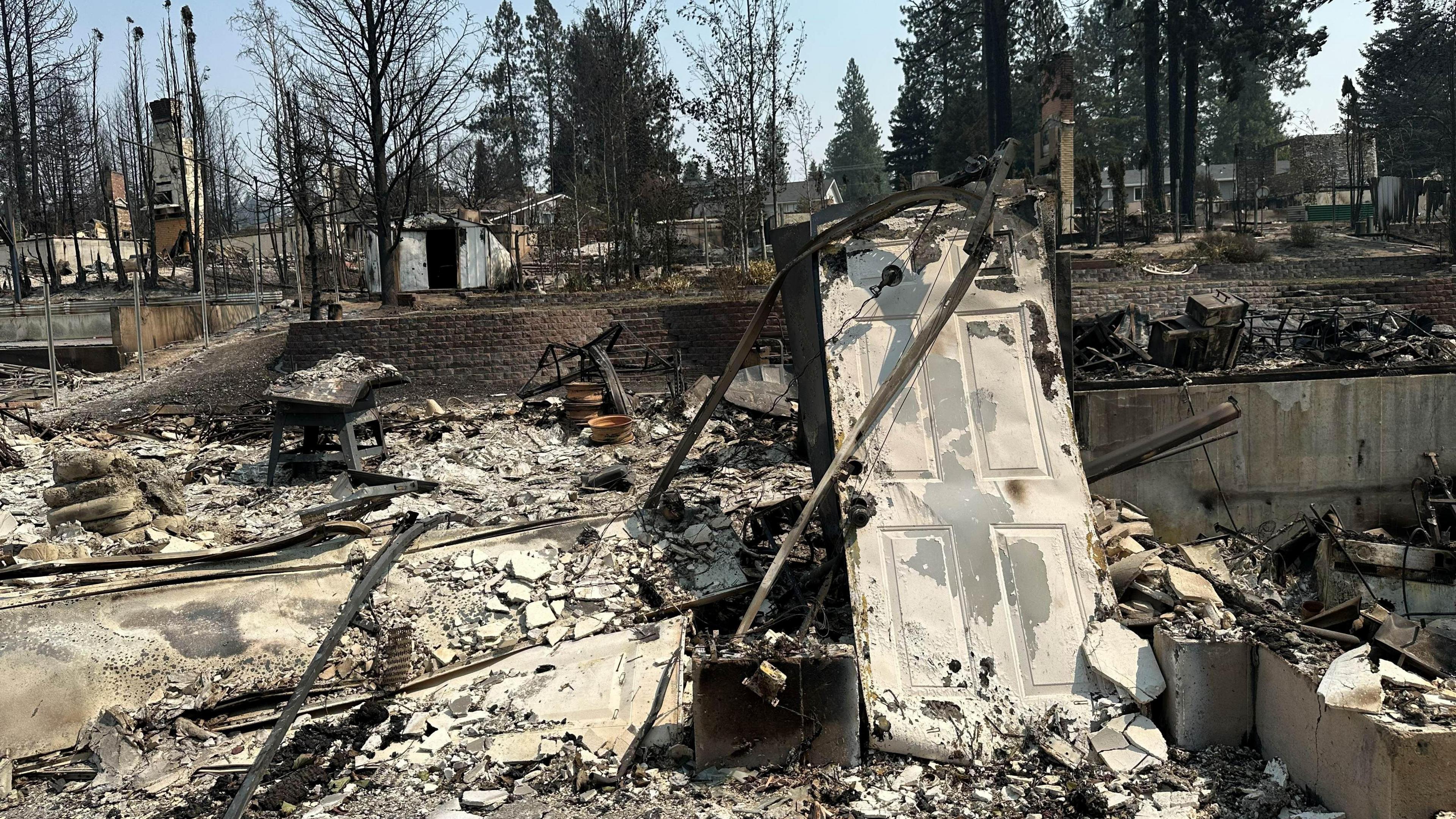
Last year, Chris Matthews fled with his family of five when a brushfire threatened their Spokane home. The evacuation lasted only a few hours; when a thick column of dark smoke raced toward them again last Saturday, the Matthews family expected a quick return. Instead, shots of charred roofs and knotted smoke revealed a scene of nothing but smouldering ruins.
The Pacific Northwest routinely sees summer wildfires, and small evacuations are common, but this year’s blaze in Spokane shattered all expectations. Fires have spread so fast it’s said the river that normally protects the city was penetrated by fierce winds.
Nearly a quarter of Spokane's 270,000 people—about 65,000 residents—have been forced to evacuate. Those who survived the flames face weeks before their neighborhoods are safe enough for return. So far, there have been no fatalities or major injuries, a rare outcome given the intensity of the fires.
Firefighters currently battle three major fronts that remain less than 40% contained, while local officials begin assessment for those who lost homes. City Councilman Zack Zappone, a resident who grew up in the destroyed Indian Trails area, describes a sense of uncertainty, frustration and “difficultness” at the shelter he visited.
Community anger has further boiled over when a local resident was charged with arson—his alleged actions were timed to exploit a dry, windy day to ignite the most dangerous blaze. The suspect, Aaron Farinacci, 37, has not yet entered a plea and is awaiting a mental competency evaluation.
“People’ve got to use their brains,” says resident Chrissy Goodrich, while an 73‑year‑old father and his daughter ride bikes through burned neighbourhoods to bring groceries home. Even the river’s protective role was challenged by the wind’s force.
The Matthews family, now grieving, urge neighbours to prepare for future seasons: “Don’t assume past history is what will happen in the future.” Melissa Matthews, Chris’s wife, says the suspect’s arrest offers a strange sense of closure: “Knowing it was set deliberately … it feels comforting.”
