In brief
The Israeli outpost of Havat Gilad, perched on hilltops in the West Bank, has become a flashpoint for violence. A resident, Yehuda Shimon, told the BBC that the recent settler attacks were justified revenge after a security guard was killed. Shimon’s comments, grounded in a biblical claim of divine claim to land, contrast with UN and OCHA reports that highlight rising settler aggression. The interview underscores the stark divide in legal status, security and human rights between Israeli settlers and Palestinian residents in the contested area.
By Lucy Williamson, Middle East correspondent
Havat Gilad, West Bank – 1 August 2026
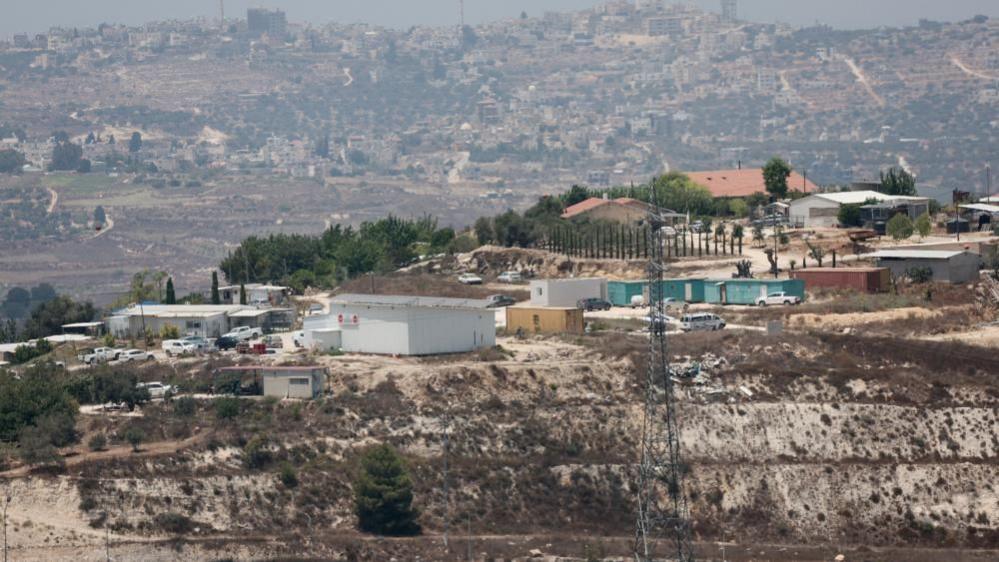
The remote Israeli outpost of Havat Gilad sits on a series of hilltops within the occupied West Bank, visible from Palestinian villages just outside its perimeter. Over the weekend, a wave of settler attacks sparked after an Israeli security guard was killed during a confrontation in Tal. The violence left four Palestinians and an Israeli soldier dead, and ignited a debate over the legality and morality of the response.
British broadcaster BBC gained rare access to the outpost. Interviewed at the scene, lawyer Yehuda Shimon – who represents Israelis arrested for violence – said the attacks were a justified act of revenge. He told us: “I think now, after they killed one Israeli, we need to kill all the people in Tal and Sarra, even Jit and Farata.” Shimon described the violence as a necessary response to the death of one of its own.
When questioned about the moral weight of a single life against many, Shimon replied: “No, one Jewish life equals 10 million Palestinians.” He described Israel’s right to the land as divinely ordained, dismissing international law as irrelevant. Shimon’s perspective, though far‑right, is not isolated – many settlers in unauthorised outposts claim biblical entitlement to the West Bank.
International context
UN Office for the Coordination of Humanitarian Affairs (OCHA) has recorded 64 Palestinian deaths and dozens of injuries in the West Bank since the beginning of the year, with a majority linked to settler activity. OCHA notes that “the number of injuries inflicted by settlers has risen sharply to more than three per day this year.” In contrast, Israeli soldiers report a lack of serious threats and no casualties on the Jewish side.
Shimon’s comments echo rhetoric from far‑right Israeli politicians, underscoring a vision where non‑muslim citizens either accept Israeli rule or leave. He criticized Israel’s army for failing to protect Palestinian villagers, arguing that a lack of force breeds more violence.
Conditions for Palestinians
Palestinians living near Havat Gilad face restricted movement, military laws and checkpoints, a situation some describe as an “apartheid” system. They report feeling unprotected as Israeli security units focus on settlers, while Israeli state courts oversee both sides. The local residents claim the international community has largely abandoned them in the face of conflicts in other regions.
Image of the Outpost
Havat Gilad is one of many illegal outposts that have sprung up across the West Bank in recent years.