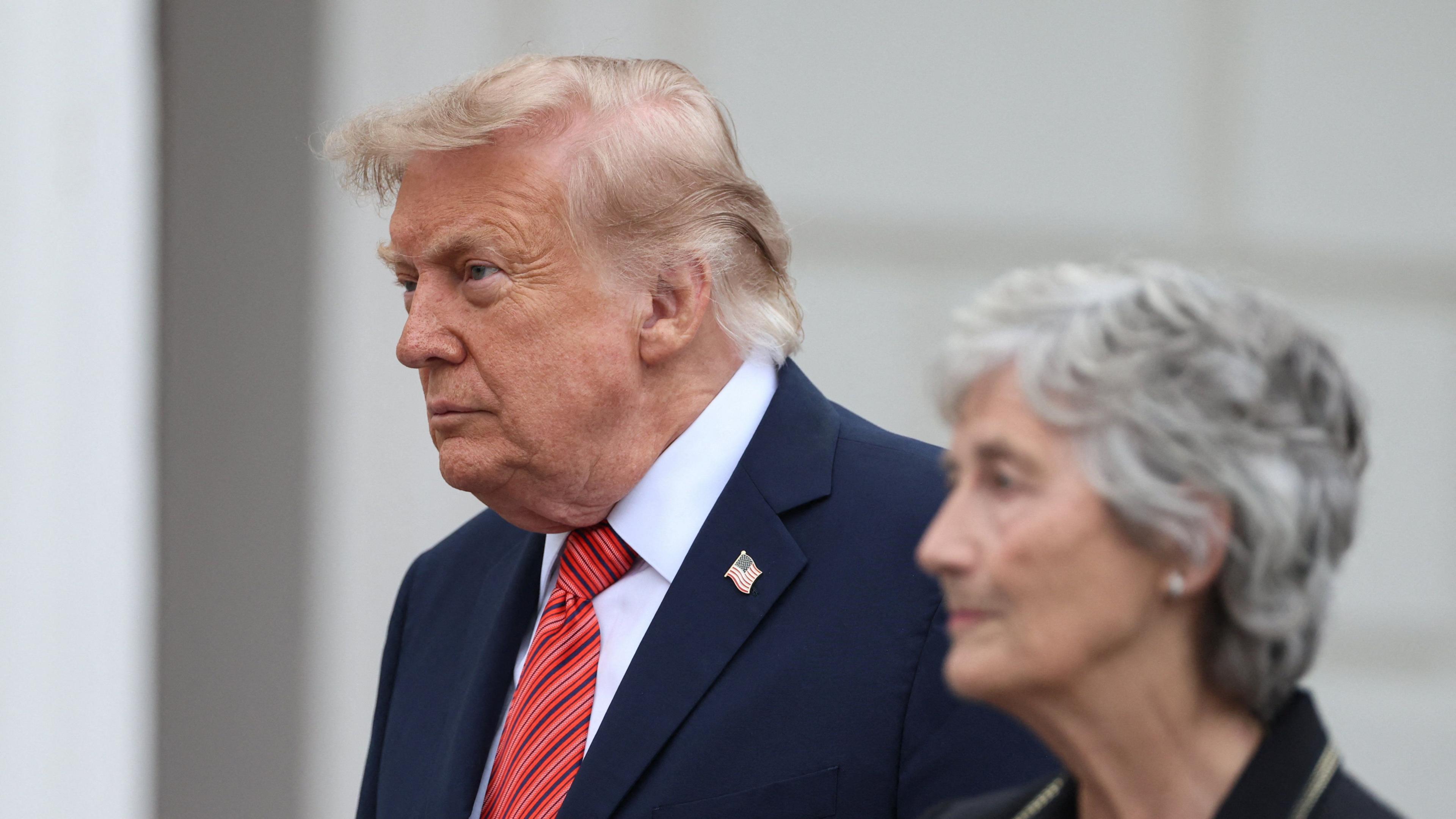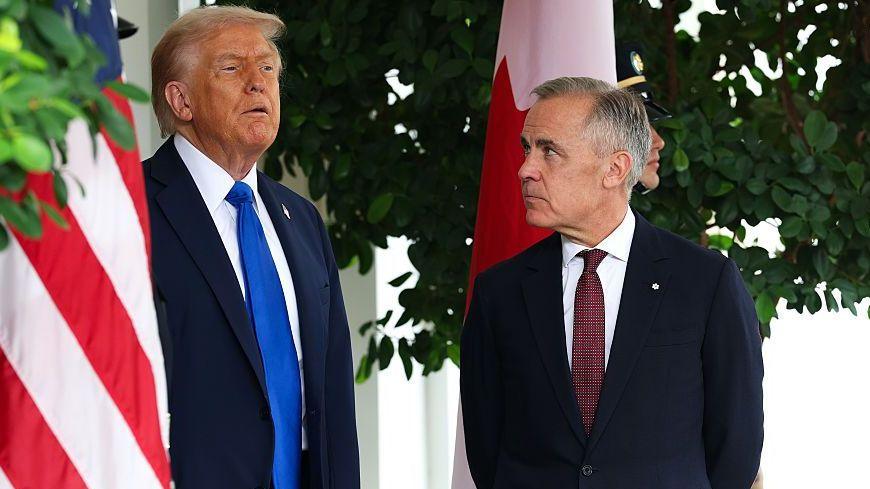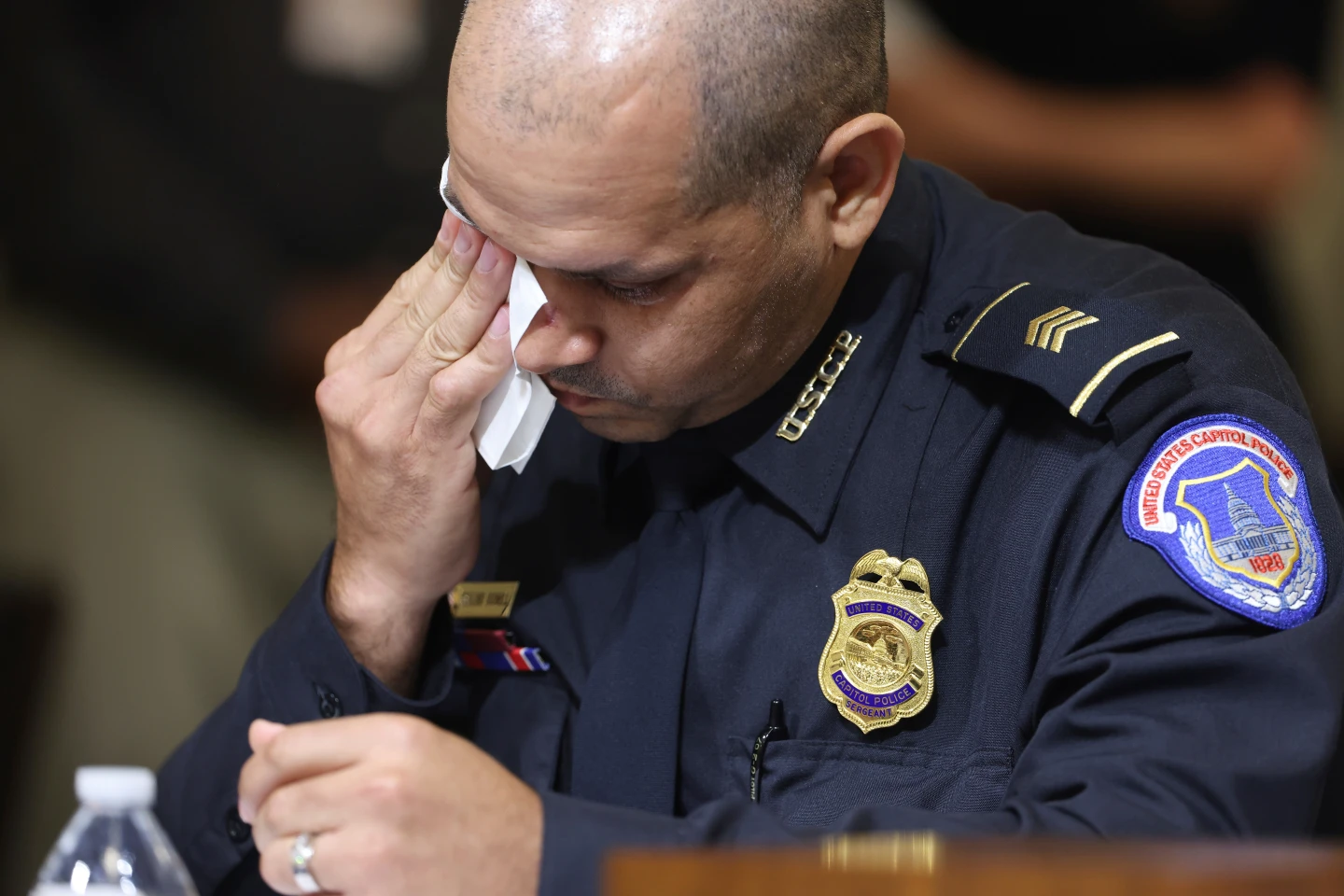
As Donald Trump was inaugurated for the second time on January 20, 2025, former Capitol Police Sgt. Aquilino Gonell felt compelled to disconnect from the news. Later that evening, a barrage of calls broke his peace, notifying him that Trump had pardoned about 1,500 individuals involved in the January 6, 2021 Capitol riot, including those who had assaulted officers like Gonell himself.
“They told me that people I testified against were being released from prison,” Gonell shared. “And to be mindful.”
On that tumultuous day, as Congress certified Joe Biden's presidency, Gonell defended the Capitol, manually combating rioters who sought to overturn the election results. He recalled moments where he almost suffocated as he was dragged by the crowd, enduring injuries that remain with him today.
“They have tried to erase what I did,” Gonell lamented, reflecting on the personal toll the riots have taken—his health, his career, and his sense of security.
Five years post-siege, many officers, including Daniel Hodges, continue to feel the scars of that day compounded by ongoing narratives that downplay the violence they endured. “It’s been a difficult year,” Hodges stated concerning the challenges of navigating personal trauma and public perception.
As over 140 officers were injured on that fateful day, the ramifications extend beyond physical wounds. A new Capitol Police leadership recognized the urgent need for support systems to aid officers' recovery and to fortify the department’s defenses against potential future aggressions.
“If that exact same thing happened again, they would have never breached the building,” emphasized former Capitol Police Chief Thomas Manger, highlighting sweeping improvements in safety protocols. Officers are encouraged to share their stories, battling not just their traumas but the dismissal of their experiences in public discourse.
“I think that was wrong,” shared Adam Eveland, another officer injured that day, expressing frustration over the pardons granted by Trump to those who assaulted police officers. Many echo similar sentiments of heartbreak as they seek closure and acknowledgment in the face of ongoing political narratives.
Gonell and Hodges have spoken out about their experiences since the events unfolded, facing both support and criticism. Their continued advocacy for truth and acknowledgment is a testament to the deep complexities of healing from trauma while navigating a divisive political landscape.
Despite their struggles, Gonell remains hopeful of retaking a role in service, illustrating the enduring resilience of those who defended the Capitol. “I want to move past it,” he stated; a sentiment shared among officers striving for recognition and healing in the aftermath of an unforgotten siege.