Punjab's New Anti‑Sacrilege Law Sparks Religious Rivalry
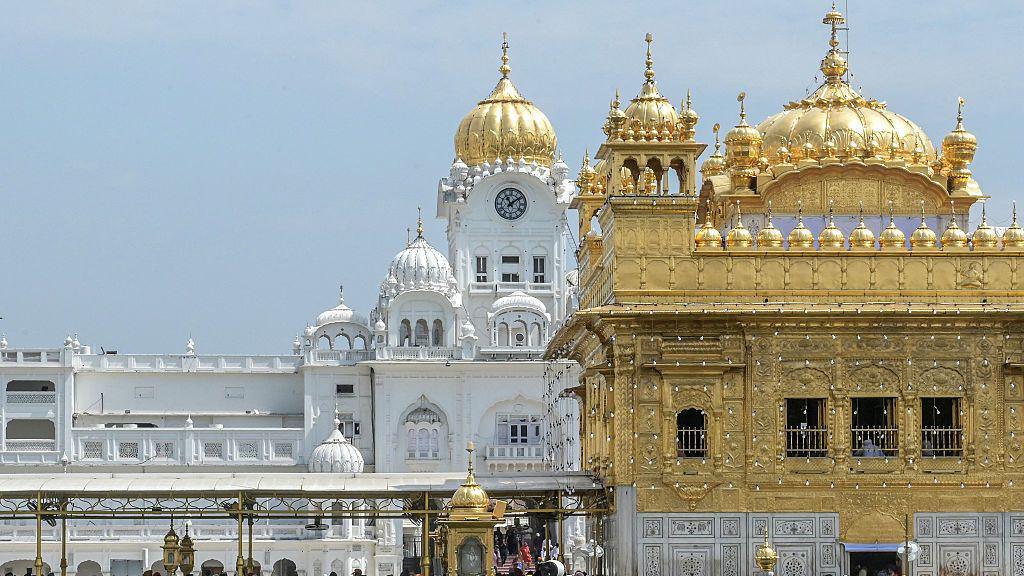
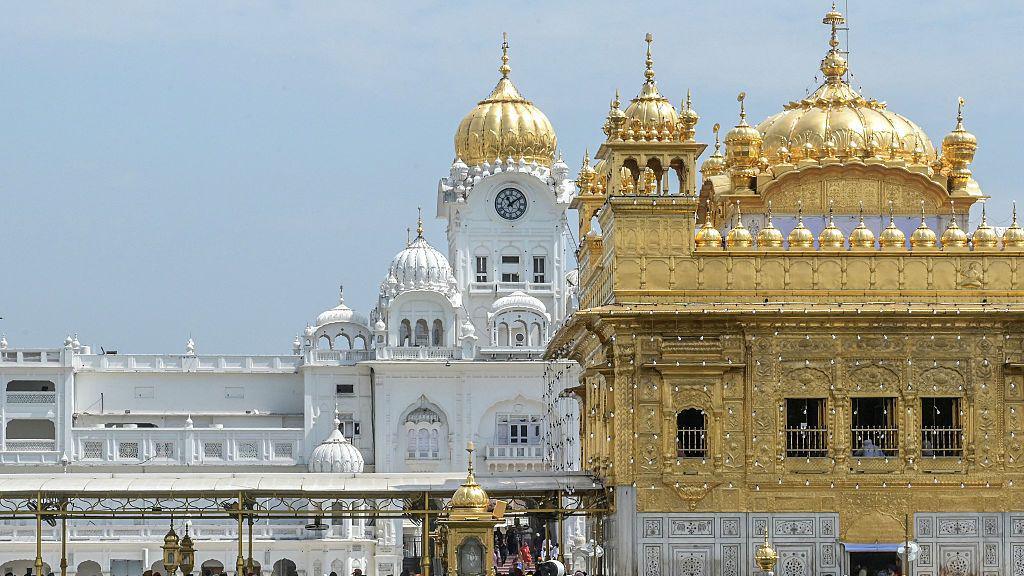
The Aam Aadmi Party (AAP) government of Punjab has enacted a new anti‑sacrilege act that imposes stiff penalties for any desecration of the Guru Granth Sahib, the central Sikh scripture. The legislation, passed in April, defines sacrilege as deliberate defacement, burning, theft and even offensive speech or images targeting the text, and sets non‑bailable offences with prison terms of seven to twenty years and fines up to one million rupees.
Beyond criminal punishment, the act introduces strict rules governing the sign‑in, registration and custody of physical copies of the scripture, aiming to centralise its administration under the state. However, the Akal Takht – the highest spiritual authority in Sikhism – has objected to these administrative provisions, arguing that matters of religious practice and the handling of the Guru Granth Sahib belong solely to Sikh institutions.
The dispute roots back decades of failed attempts to legislate sacrilege in the Sikh‑majority state. In 2016 the SAD‑BJP government proposed life‑imprisonment for desecration, but the federal government rejected the bill as discriminatory. The Congress tried again in 2018, covering several holy books, yet the proposal never received assent. After a failed 2025 bill across multiple sacred texts, the current AAP government opted instead to amend the 2008 Jaagat Jot Sri Guru Granth Sahib Satkar Act to strengthen the crime.
The most recent incident ignited political fury: the Akal Takht summoned the Punjab Assembly speaker and accused legislators of voting on the act without being informed, citing a lack of consultation. The Akal Takht demanded that contested provisions be removed within a month and urged the government not to implement them until amendments were made.
The controversy comes at a fragile time, with Punjab’s three main opposition parties – the Congress, the Shiromani Akali Dal and the BJP – accusing the AAP leaders of rushing the law and ignoring the Sikh authority’s sovereignty. Chief Minister Bhagwant Mann defends the legislation against fallout from a separate controversy surrounding a video he is alleged to have shared depicting alcohol on Sikh images, which he claims is fabricated. The law’s passage has turned into both a religious and political crisis, adding further pressure on the government as state election campaigns heat up.