In brief
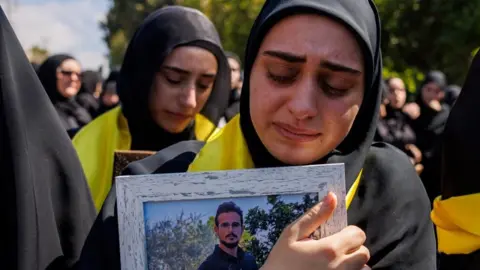
Lebanon's health ministry reports that the death toll from Israeli strikes has reached 3,020, marking a grim escalation in the conflict with Hezbollah. This significant figure reflects ongoing violence despite a recent temporary ceasefire agreement. The situation remains dire as both sides prepare for further negotiations amidst continuous hostilities.
Lebanon's health ministry has announced that the death toll from Israeli strikes during the ongoing conflict with Hezbollah has surpassed 3,000, with the toll currently at 3,020. The violence shows no signs of abating, despite a fragile ceasefire that has been in effect since mid-April.The war erupted on March 2 when Hezbollah launched rockets towards Israel in retaliation for an Israeli strike that killed Iran's supreme leader. Although there was a truce extension agreed upon recently, the number of casualties continues to rise with airstrikes occurring in southern Lebanon and the Bekaa Valley even after the announcement.The health ministry reported that over 400 of the deaths occurred since the ceasefire began. The truce, brokered by the United States, permits Israel to launch strikes aimed at deterring Hezbollah's military actions. However, Lebanon has condemned these strikes, arguing they hinder efforts to reclaim state control over armed groups.Recent reports indicate that Israeli strikes have impacted numerous towns and villages, resulting in dozens of casualties, with some airstrikes proceeding without warning. On the front lines, Hezbollah has claimed attacks against Israeli positions, further escalating tensions as both sides gear up for upcoming negotiations at the start of June.