Nigeria’s waterways are treacherous; every year the country sees multiple boat tragedies that kill dozens or even hundreds.
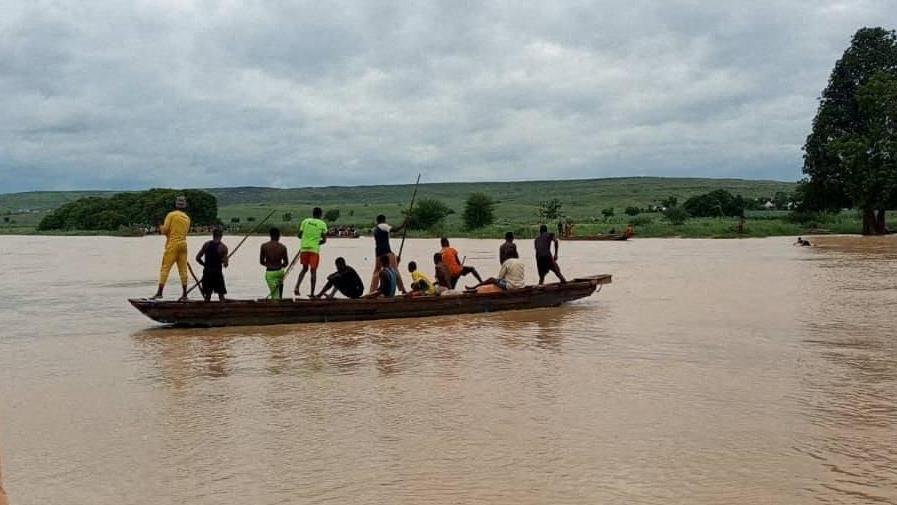
On Sunday a wooden canoe capsized in Jigawa State, sending forty people, largely female farmers, adrift. Twenty‑three survived, but seven bodies, including a mother and her children, were pulled from the river.
The new capsize follows a pattern. Only two months ago a vessel on the River Benue sank, taking twelve lives. Earlier this year, a wedding‑trip boat in Kebbi State crashed, killing fourteen people, many of whom were bride‑maids.
Three core problems fuel these deadly incidents:
- Overcrowding — boats often carry far more people than they can safely hold.
- Unsafe wooden vessels — age‑worn boats silently weaken, yet they are the only transport people can afford.
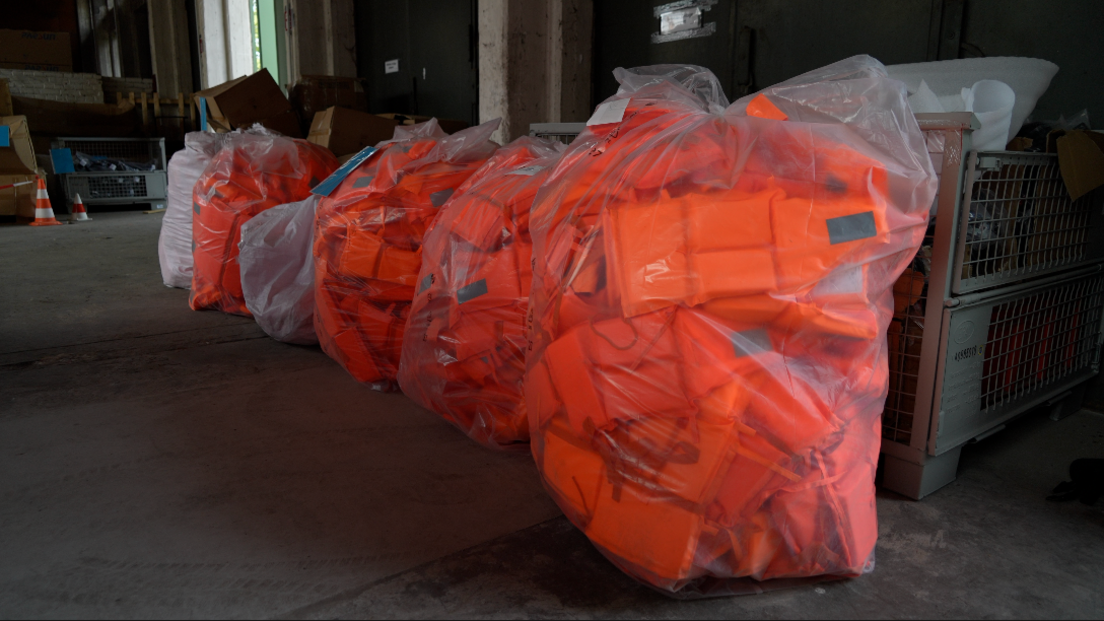
- Lack of life‑jackets — most boats transport only a handful of jackets, and many passengers refuse to wear them, claiming they feel uncomfortable or unnecessary.
“The time has come for a decisive break from outdated practices,” said Minister Adegboyega Oyetola after a fatal incident on Sokoto’s Jaranja River. He urged state governments to invest in fibre and aluminium boats and to enforce mandatory life‑jacket use, but stories show such policies rarely reach the riverbanks.
In Niger State 2023‑2025, 253 people died of boat accidents. Sarkin Ruwan Shiroro, Mallam Sala Altine, the local water marshal, reports that despite government promises, the supply of life‑jackets cuts short: “We can only give a ten‑person jacket when a boat carries 100.”
Ironically, some villages celebrate river life as part of daily culture, making safety rules seem extra. According to Ibrahim Husseini of the National Emergency Management Agency, residents who have grown up on rivers often claim they do not need a life‑jacket because “water is part of who we are.”
Conversely, Lagos offers a hopeful counter‑example. Over the past decade, the state government introduced four major measures: new standard boats, mandatory life‑jackets, dredging of channels, and water‑guard officers at each jetty. Lagos recorded only six deaths from 2024‑2025, a stark drop from the 92 losses that occurred between 2018 and 2023.
These measures show that disciplined enforcement and realistic safety gear can work. Unfortunately, replicating Lagos’ model nationwide is difficult; most states lack enough water marshal staff to cover all terminals, and many rivers still contain dangerous tree stumps that the government fails to dredge.
River transport in rural Nigeria remains essential, but it is built on a shaky foundation. Repeated tragedies, such as the 2019 flood that killed 32 people on the Niger and the 2019 Kano disaster that killed 36, demonstrate that the country simply cannot afford the kind of systemic negligence that has brought this recurring pattern into existence.
Until the government moves beyond promises—ensuring that boats are strong, life‑jackets are plentiful, and regulations are enforced—each new boat’s departure remains a live hazard.