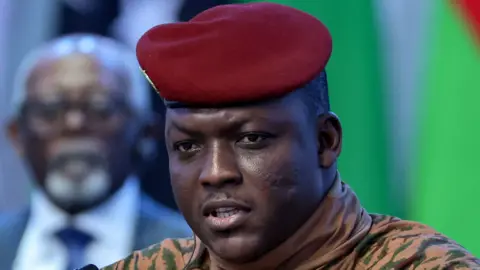
Myanmar has denied committing genocide against the Rohingya people, asserting that The Gambia has not provided ample proof as it began its defense at the UN's top court. Ko Ko Hlaing, representing the Myanmar government, stated that the allegations were unsubstantiated. Earlier this week, Dawda Jallow, The Gambia's foreign minister, accused Myanmar of attempting to erase the minority Muslim population through genocidal policies.
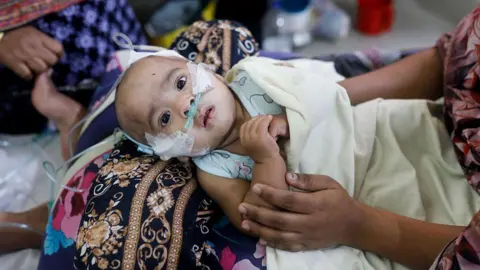
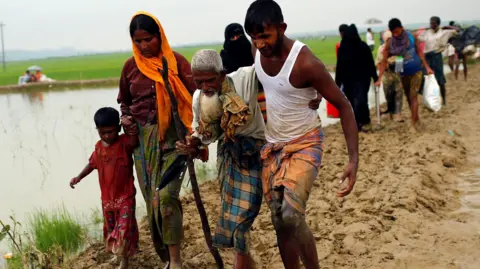
The plight of the Rohingya reached a critical point in 2017 when thousands were killed and more than 700,000 fled to neighboring Bangladesh during a military crackdown. A United Nations report from the following year called for an investigation against top military officials in Myanmar for genocide and crimes against humanity.
In his statements to the International Court of Justice (ICJ), Hlaing argued that Myanmar's military actions were justified counter-terrorism operations aimed at tackling insurgent threats in northern Rakhine State, where many Rohingya reside. He highlighted that the Myanmar government is committed to the repatriation of Rohingya refugees but cited external factors, including the COVID-19 pandemic, as hindrances to those efforts.
The Gambia initiated the case against Myanmar in 2019, motivated by its own historical experiences with military governance. The proceedings could set important precedents concerning the definition and prosecution of genocide in international law, including implications for similar cases worldwide.
A resolution is anticipated by late 2026, which will likely contribute significantly to the understanding and application of the 1948 UN Genocide Convention.