
In brief
Once securing his presidency through strong evangelical backing, President Ruto now confronts increasing disillusionment from churches in Kenya, triggered by rising taxes and anti-tax protests that call out governmental mismanagement.
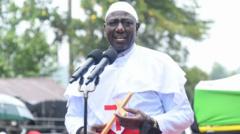
William Ruto, Kenya's president, who once leveraged strong evangelical support to secure his presidency two years ago, is now facing a rift with church leaders across different denominations. The shift comes as church leaders, who had initially embraced him, have begun to openly criticize his administration, viewing him less as a prophetic figure and more as a symbol of greed akin to the biblical tax collector, Zacchaeus.Ruto's persona was cultivated from the beginning of his political journey, with supporters referring to him as "David," inspired by the biblical shepherd who became a king. However, as tax hikes imposed by his government led to public backlash, Ruto faced accusations of exploiting his Christian faith for political gain, earning him the new moniker "Zakayo."Despite the president’s insistence that increased taxation is necessary for improved public services and reduced national debt, public sentiment has turned sour. Young Kenyans leading anti-tax protests have also criticized churches for maintaining cozy relationships with the government, leading to a growing divide. As this discontent brewed, church leaders began voicing their grievances more robustly, marking a significant shift in their alignment with the presidency.Notable criticism emerged from influential figures such as Teresia Wairimu, whose sermons reflected embarrassment over Ruto's leadership, and Rev. Tony Kiama, who condemned the government for not adhering to divine purpose. The strongest denunciation came from the Kenya Conference of Catholic Bishops, who accused Ruto’s administration of fostering a "culture of lies" and outlined grievances about unfulfilled promises, corruption, and an oppressive political atmosphere.In a notable rejection of a monetary donation from Ruto, Catholic bishops expressed ethical concerns over political influence within the church. Not only Catholics but also leaders from other denominations and Islamic clerics have rallied behind this growing unrest toward Ruto’s government, signaling a cohesive stand for accountability.As Ruto faces escalating opposition and calls for change, analysts note that direct confrontation with church leaders could prove detrimental, especially given the churches’ ability to mobilize substantial followership. The president has begun to moderate his response to the critiques, indicating a willingness to engage with religious leaders, though skepticism remains about his administration’s commitment to reform.The current impasse highlights the complexities of political and religious dynamics in Kenya, with churches once viewed as partners now poised to challenge Ruto in the next electoral cycle. As Ruto navigates this critical juncture, it is clear that his past alliance with the churches may shape his political future in profound ways.

