
In brief
After unionized workers of the Long Island Rail Road initiated a strike, services were completely shut down, impacting 250,000 daily commuters. The unions, representing about half the workforce, are demanding fair wages amid rising inflation and unsustainable living costs. The situation has led to significant challenges for sports fans and workers who depend on the rail system for commuting.
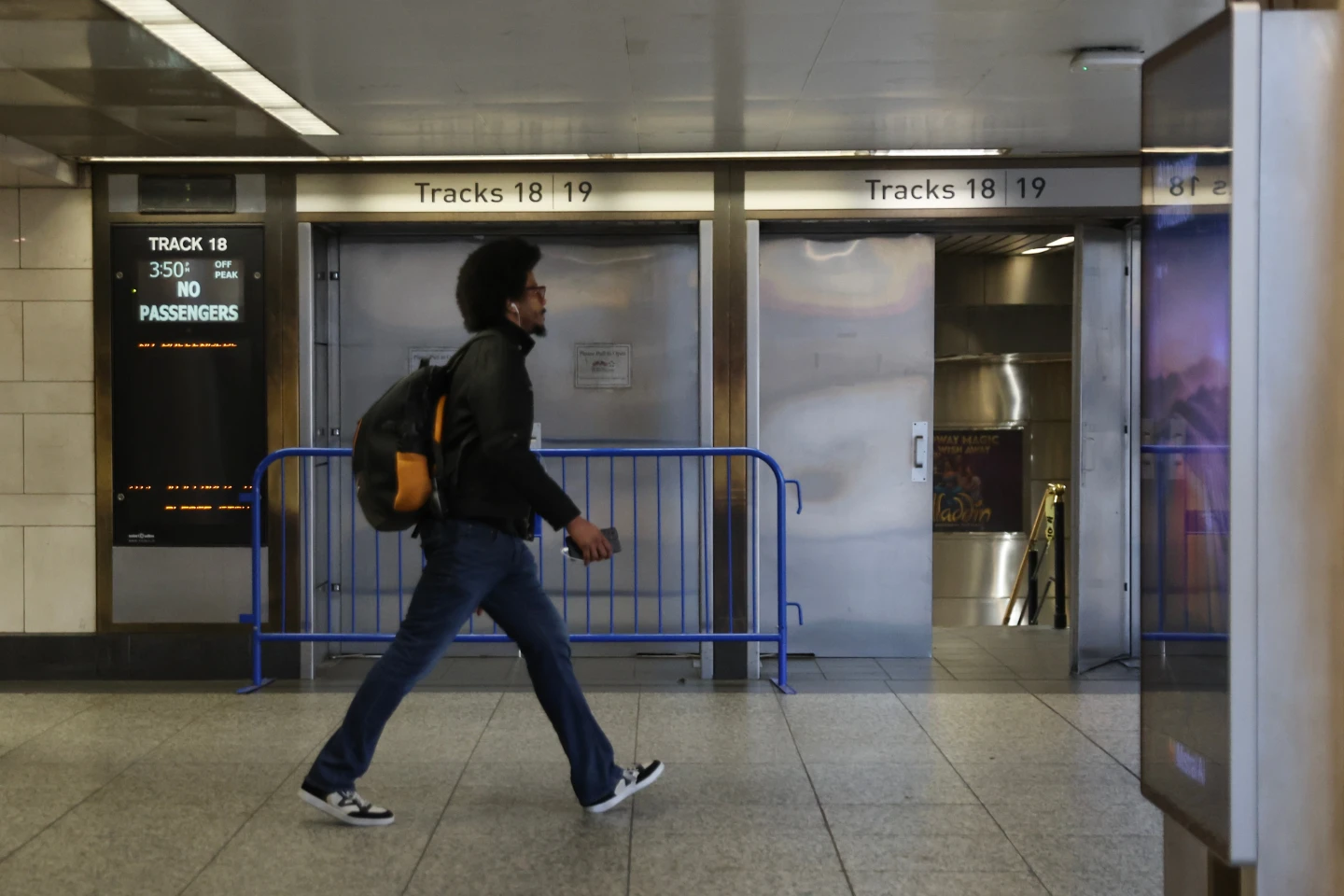
NEW YORK – North America’s largest commuter rail system, the Long Island Rail Road (LIRR), faced a complete shutdown following a strike initiated by unionized workers in the New York City area on Saturday. The strike commenced as five unions, representing approximately half of the LIRR’s workforce, walked off the job after failed contract negotiations.
Union leaders and workers expressed their frustrations as negotiations have dragged on without resolution. Kevin Sexton, the National Vice President of the Brotherhood of Locomotive Engineers and Trainmen, stated, “We’re far apart at this point,” expressing regret for the disruption caused to commuters.
According to Janno Lieber, the chairman of the MTA, the agency has previously conceded to union demands regarding pay, suggesting that the unions had always planned to strike. This strike is particularly significant, marking the first walkout for the LIRR since a short strike in 1994. The shutdown poses major complications for sports fans intending to attend upcoming games involving the New York Yankees and Mets and the NBA’s Knicks.
With 250,000 riders relying on the LIRR every workday, extended disruptions will force commuters from Long Island to seek alternative routes into New York City. Many are apprehensive that increased vehicular congestion will further complicate travel.
Governor Kathy Hochul has urged commuters to work from home when possible, while the MTA has proposed limited shuttle bus services to subway stations, albeit insufficient to accommodate the usual daily ridership.
Striking workers are firm in their demands for fair wages in light of record inflation, which has eroded their purchasing power. Union member Duane O’Connor articulated the sentiment among workers, stating, “This is going to hurt the island, this is going to hurt the city,” stressing the importance of equitable wage negotiations.
Sympathy towards union demands is met with the concern of commuters who fear that raising wages could translate to higher fares. Gerard Bringmann, chair of the LIRR Commuter Council, warned that increased costs could burden riders even further, emphasizing the shared struggle against rising living expenses.
The strike's impact on the region could heavily influence political dynamics as Governor Hochul approaches her reelection campaign, with the LIRR being a critical matter for Long Island voters.