In brief
In Kenya, a growing number of men—particularly among the Kikuyu—are taking their mothers’ first names as their surnames, a move that challenges long‑standing naming customs. While some view the trend as a sign of respect for women in a changing social landscape, others dismiss it as a loss of masculinity. Politicians such as MP John Nṳguṇa Wanjikū have adopted female surnames and earned nicknames like “Ka‑Wanjikū.” The practice has become controversial, with critics arguing it undermines traditional male identities, while scholars point to the deep cultural heritage of the Kikuyu’s mythic founding mother. The debate highlights broader discussions around gender roles, inheritance, and the evolving status of women in Kenya.
For centuries, Kenya’s naming conventions have been dominated by father‑centric traditions; children usually inherit their father’s first name as their surname. Suddenly, a notable shift is emerging. Men—most prominently from the Kikuyu ethnic group—are choosing their mothers’ first names as their surnames, a practice once reserved for women and children.
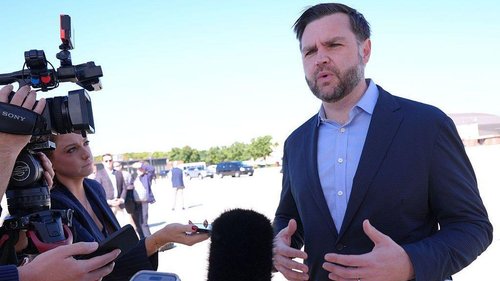
Peter Kĩgia, a veteran benga musician, first popularised the trend by branding himself "Wa Esther" (son of Esther). In his own words, "When you take your mother's name, it means you love and respect her." His choice paved the way for other artists and public figures, including MP John Nṳguṇa Wanjikū, who now uses the nickname "Ka‑Wanjikū" to highlight his maternal connection.
"When you take your mother's name, it means you love and respect her."
The movement has prompted a spirited debate. Some laude it as a liberation of gender norms, pointing to the increasing influence of women in Kenyan society. Others criticize it for diluting masculinity. Notable voices include broadcaster Evans Kibe Waceke, who argues that single‑mother families are perceived as lacking discipline, and former musician Fred Mũitīrĩri, who has publicly switched away from his mother’s surname after feelings of ridicule.
Cultural scholars have added nuance. Wairimũ Mũkũrũ explains that in absentee‑father families, the eldest male relative of the mother can act as the familial patriarch. Yet some men are hesitant to adopt female surnames because of inheritance rights and potential disputes.
Academic George Gathigi of the University of Nairobi contends that this naming shift mirrors shifting gender roles in modern Kenya: "Women increasingly take on roles once reserved for men, and women’s authority now stands at the core of family identity." He warns, however, that widespread adoption could signal a long‑term erosion of traditional masculinity and cause identity confusion for some men.
Despite criticism, many male adopters remain proud of their choice. Journalist Simon Macharia Wangũi, for instance, says that embracing his mother’s name gives him an extra margin of confidence: "People will see you as having beaten the odds to get to where you are, despite the name." The trend continues to prompt lively discussion across social media and the press alike, as Kenya navigates the interplay of heritage, gender, and modernity.