
In brief
Israeli Defense Minister Israel Katz has declared that Israeli forces will take control of significant portions of southern Lebanon as hostilities with Hezbollah intensify. The military action follows Hezbollah's recent rocket attacks in response to Israeli operations and aims to secure northern Israel. Katz confirmed the destruction of strategic bridges used by Hezbollah while stating that displaced residents in southern Lebanon would not return until security is ensured in Israel's north. The ongoing violence has led to significant casualties and displacement in the region.
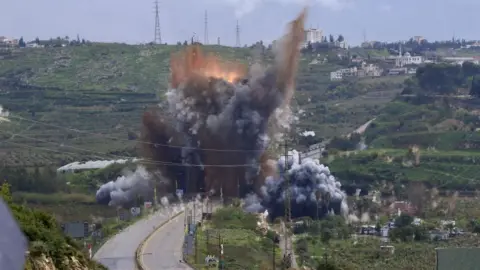
Israeli troops will control a large swathe of southern Lebanon as part of their campaign against Hezbollah, Defence Minister Israel Katz says.
Katz stated that troops had blown up bridges on the Litani River, about 30km (19 miles) from the Lebanon-Israel border. A security zone would be established, and displaced residents will not be allowed back until northern Israel is safe.
He added that five bridges used by Hezbollah for the passage of terrorists and weapons had been destroyed.
The conflict escalated following Iranian-backed Hezbollah's rocket fire into northern Israel, retaliating for escalating Israeli strikes amid a fragile ceasefire.
Official sources report at least 1,072 people killed in Lebanon, including 121 children, with over a million displaced, exacerbating an already dire humanitarian crisis.
Israeli officials claim the military operations aim to protect communities in northern Israel from ongoing Hezbollah threats. As tensions mount, a return to a buffer zone setup reminiscent of previous conflicts raises concerns for civilians in the affected regions.
Lebanon's President Joseph Aoun condemned the Israeli actions as collective punishment against civilians, sparking fears of further escalation and humanitarian distress.