In brief
Israeli Prime Minister Benjamin Netanyahu convened a meeting with his advisors to address U.S. President Donald Trump's formation of a Gaza 'Board of Peace'. Notably, Israel was not included in the discussions regarding board appointments, leading to a backlash from Israeli officials. The board, comprising figures like ex-UK Prime Minister Tony Blair and Jared Kushner, is tasked with overseeing Gaza's administration and reconstruction, amidst rising tensions and criticisms from various sides regarding its effectiveness and composition.
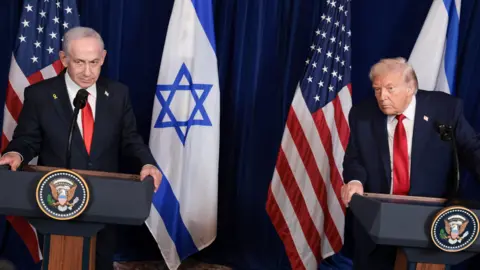
Israel's leader Benjamin Netanyahu has convened a meeting with his top advisers to discuss US President Donald Trump's 'Board of Peace' for Gaza, after Israel said it was not included in talks about the makeup of one of the board's lower bodies.
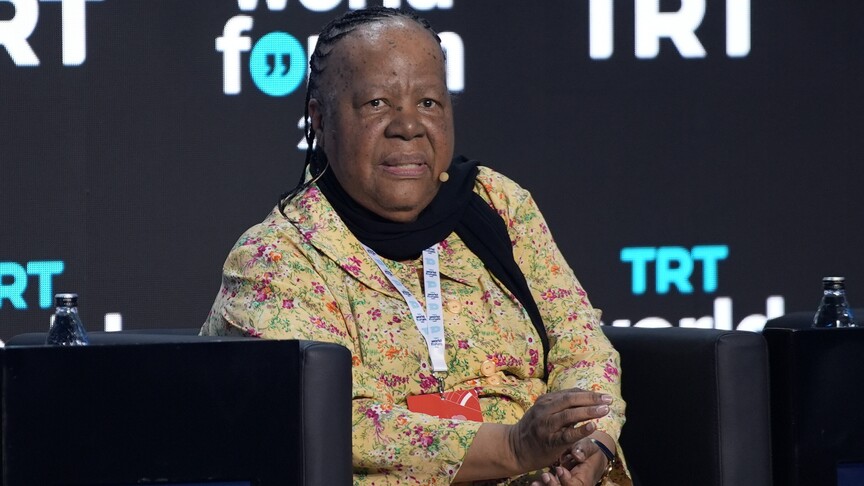
The US on Saturday named the first members of the Gaza Executive Board - including Turkey's foreign minister, a Qatari official, former UK Prime Minister Tony Blair and Trump's son-in-law, Jared Kushner.
Netanyahu's office has since said this was 'not coordinated with Israel and runs contrary to its policy'.
The Board of Peace is part of Trump's 20-point plan to end the Israel-Hamas war and is expected to temporarily oversee the running of Gaza.
The exact structure of the board, which will also manage Gaza's reconstruction, remains unclear and members are still being invited.
The 'Gaza Executive Board' will be responsible for overseeing all on-the-ground work of yet another administrative group, the National Committee for the Administration of Gaza (NCAG), according to a statement released by the White House.
So far, the only Israeli member on the Gaza Executive Board is Yakir Gabay, a businessman born in Israel and now based in Cyprus. There are no Palestinians on either senior board.
Israel's far-right National Security Minister Itamar Ben-Gvir wrote on X: 'The Gaza Strip does not need any 'administrative committee' to oversee its 'rehabilitation' - it needs to be cleansed of Hamas terrorists.'
Israel's opposition leader Yair Lapid called the announcement a 'diplomatic failure for Israel.'
Officials from Qatar and Turkey, which have both been critical of Israel's military actions in Gaza, are confirmed members of the advisory panel.
The overarching Board of Peace will be made up of world leaders, with President Trump as its chairman, the White House said. While those members have not been announced, the leaders of the UK, Hungary, Argentina, Jordan, Turkey, India, and Egypt have reportedly been invited.
Governments have reacted cautiously to the invitations, with only Hungarian Prime Minister Viktor Orban, a Trump ally, confirming he has accepted the role.
The White House said those chosen will work to ensure 'effective governance and the delivery of best-in-class services that advance peace, stability, and prosperity for the people of Gaza'.
The UK was seeking more clarity on the committee, a government source told the BBC.
On Saturday, Bloomberg reported that Trump was asking countries to contribute $1bn (£745m) to join the panel. Speaking to CBS news, a US official confirmed the reports, but clarified that countries could still join on a three-year membership without paying anything.
Meanwhile, the United Nations warned on Saturday that the humanitarian crisis in Gaza is 'far from over'. The UN estimates around 80% of buildings in Gaza have been destroyed or damaged and families who have survived the war are now struggling with the winter weather, and a lack of food and shelter.
Bitter winter weather has led to further complications, destroying buildings and making it difficult to access healthcare. Israel says that it is facilitating humanitarian assistance, and has blamed the UN for failing to distribute supplies already in Gaza. It argues any restrictions are designed to stop Hamas infiltrating and exploiting relief efforts.