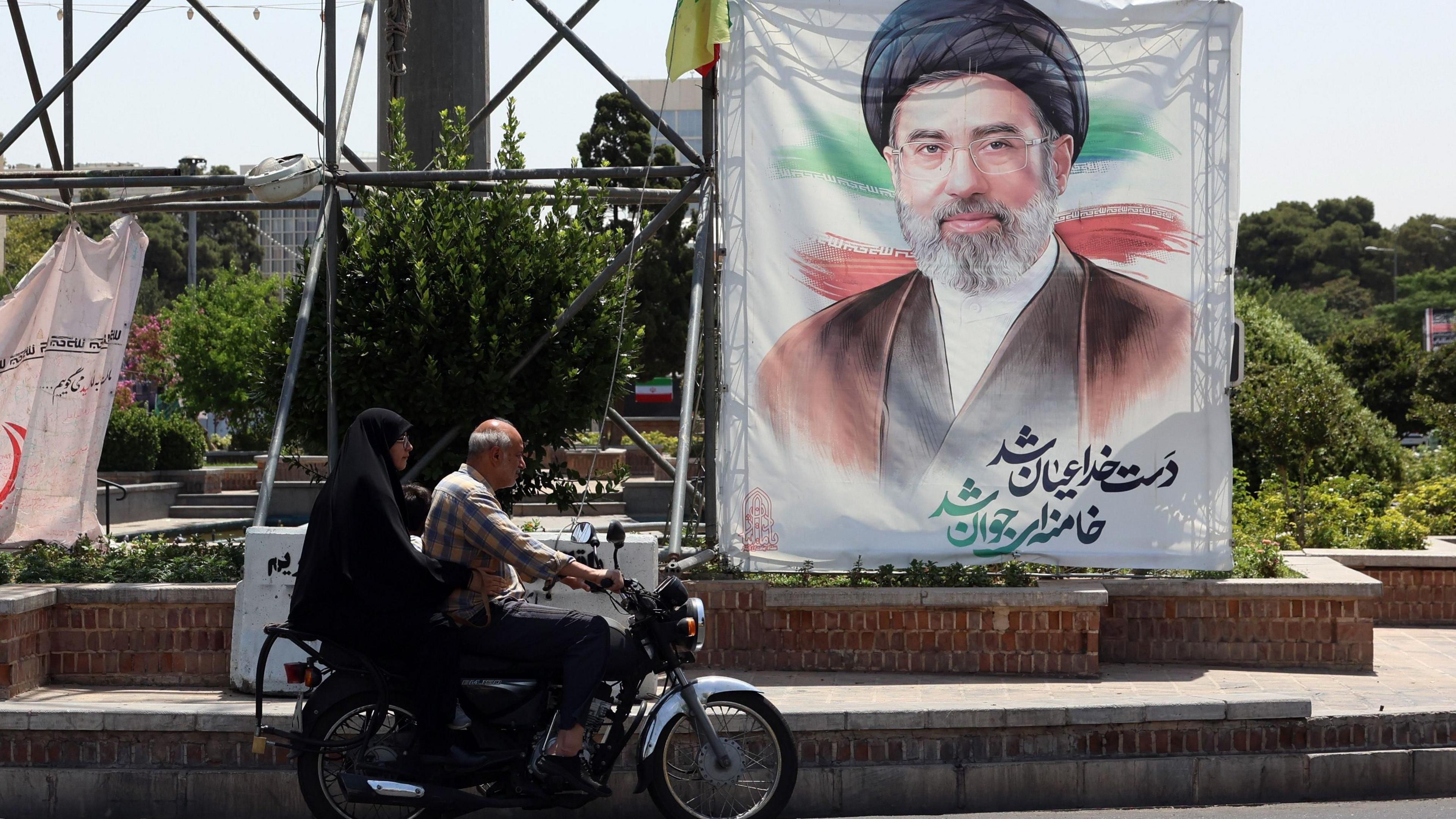
Iran’s Supreme Leader Calls for Revenge After Father’s Killing
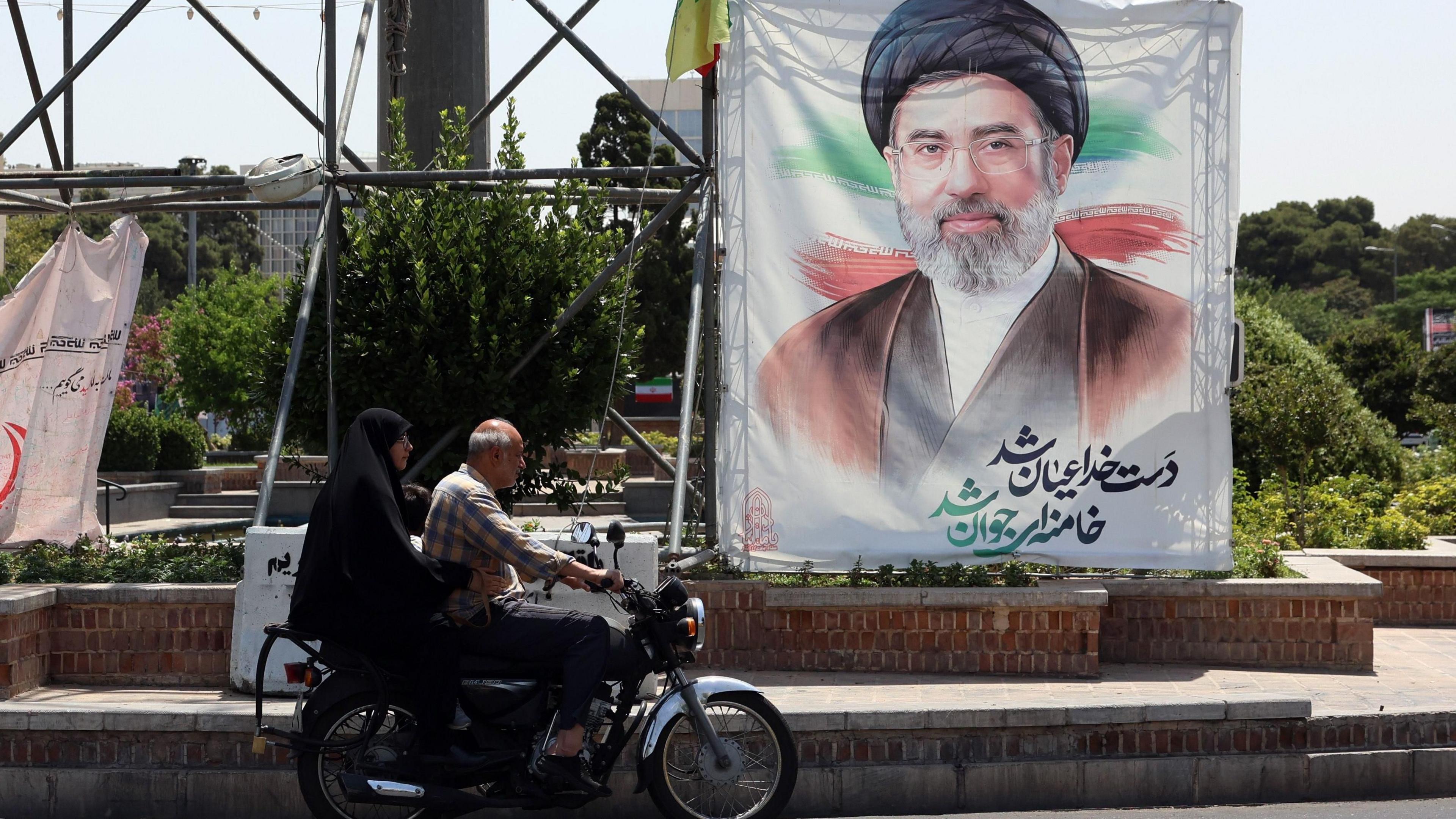
In a stark public statement read out on state television, Ayatollah Mojtaba Khamenei demanded retaliation for the death of his father and predecessor, Ali Khamenei, who was killed in an air strike on 28 February. The statement came days after official funeral ceremonies for the former leader began and marks the first appearance of the current Supreme Leader in the public eye since the conflict erupted.
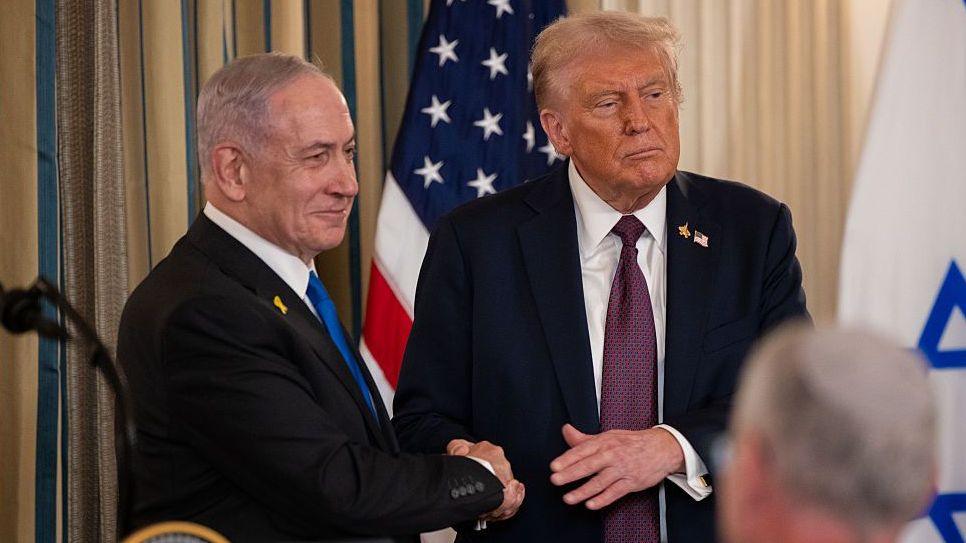
Khamenei’s words echo a sentiment that has become common at funeral gatherings across Tehran, where mourners carried placards calling for the assassination of U.S. President Donald Trump. Trump, in turn, warned that Iran would”decimate and destroy all areas” of the country in retaliation if the plan is executed. The rhetoric fractures an already tense diplomatic landscape and escalates the stakes of the ongoing war.
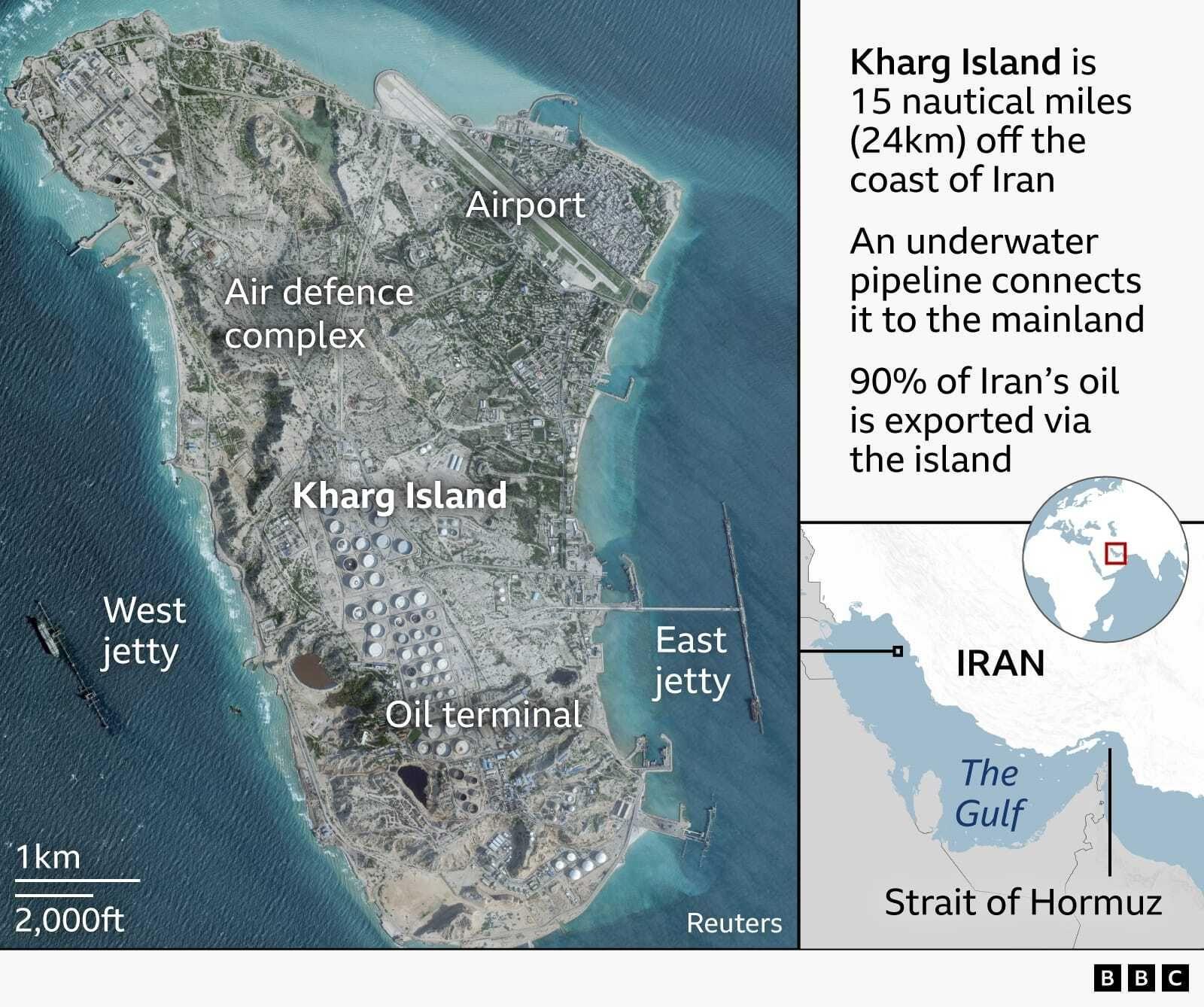
The war began on 28 February with coordinated US and Israeli attacks on Iranian forces, prompting Iran to strike back at both Israeli and U.S. targets in the Gulf. By June, a ceasefire agreement was signed, although talks have stalled and a fragile peace remains uncertain. Recent outbursts, such as attacks on commercial tankers attempting to cross a U.S.–recommended route through Oman, have reignited hostilities; Iran insists the incident was a mistake and blames rogue elements.
The push for retaliation has not been limited to the Persian Gulf. The U.S. has warned it would retaliate against Iranian support for regional adversaries and has reacted to the growing calls for violence. Meanwhile, Iran’s domestic narrative stresses a commitment to “avenging the blood of the martyred leader,” while simultaneously pledging a termination of attacks on commercial shipping if it can secure clear passage in the Strait of Hormuz.
For continuous updates on the evolving situation, follow BBC News for live coverage as events unfold live on the front lines of the Iran–Israel–U.S. conflict.