In brief
This article provides an in-depth analysis of the failed coup attempt in Nigeria that was set to coincide with the country's Independence Day. Key figures accused include military personnel and a prominent oil businessman, as well as allegations of financial backing and spiritual support from influential clerics. The ongoing legal proceedings are likely to unveil more connections and implications for Nigeria's political stability.
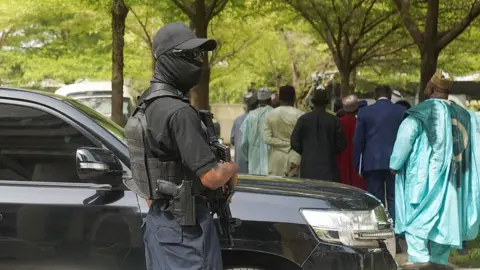
For months, rumors and secrecy have surrounded last year's alleged coup plot in Nigeria, with recent indictments bringing to light a detailed plan to overthrow President Bola Tinubu. The coup was reportedly scheduled for October 1, 2025, coinciding with the 65th Independence Day celebrations, which were abruptly canceled, raising suspicions.
Court documents now reveal the alleged mastermind of the plot and suggest comprehensive efforts to destabilize the state. Six individuals are currently on trial, with charges that include treason and terrorism financing.
Among the accused is Colonel Mohammed Ma'aji, a military figure with past ties to Nigerian oil militants, suggested to be the chief strategist behind the coup's meticulous planning. The financial implications of the plot hint at extensive funding from powerful business figures.
One notable accused is Timipre Sylva, a former oil minister linked to vast financial resources aimed at supporting the coup. Furthermore, Sani Abdulkadir, a prominent cleric, has been implicated as a 'prayer warrior' for the coup.
With more suspects yet to be unveiled and a military tribunal expected to convene, questions remain over the implications for Nigeria’s political landscape, not only regarding the judiciary’s role but the overall stability as the country grapples with economic hardship and lingering fears of military intervention.