
In brief
The Taliban's recent ban on chess reflects its commitment to enforce strict interpretations of Islamic law, echoing broader trends in governance since their takeover in 2021.
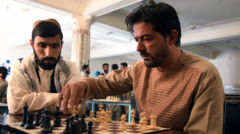
The Taliban government in Afghanistan has announced an indefinite suspension of chess, stating concerns regarding the game's potential association with gambling under Islamic law. Spokesman Atal Mashwani from the Taliban's sports directorate emphasized that until clarity on these religious considerations is achieved, chess will remain banned in the country. This prohibition adds to a growing list of restrictions on sports, particularly those involving women, who face significant barriers to participation. Since the Taliban regained control in August 2021, numerous regulations have been enforced that align with their rigid interpretation of Islamic principles. A Kabul cafe owner, Azizullah Gulzada, who frequently hosted informal chess matches, expressed disappointment over the move, highlighting how it limits recreational activities among the youth. He indicated that chess had become a popular social pastime where young individuals would come together to enjoy a game over tea. Despite the ban, Gulzada noted that chess is embraced in other Muslim-majority nations, indicating the stark difference in interpretations of the game. The Taliban’s stance on physical activities has also resulted in previous bans, such as the outlawing of mixed martial arts (MMA) due to its perceived violent nature and conflicts with sharia standards. This latest action reinforces the Taliban’s ongoing commitment to impose stringent regulations in Afghanistan, reflecting a stark shift in cultural and social norms within the country.
