
In brief
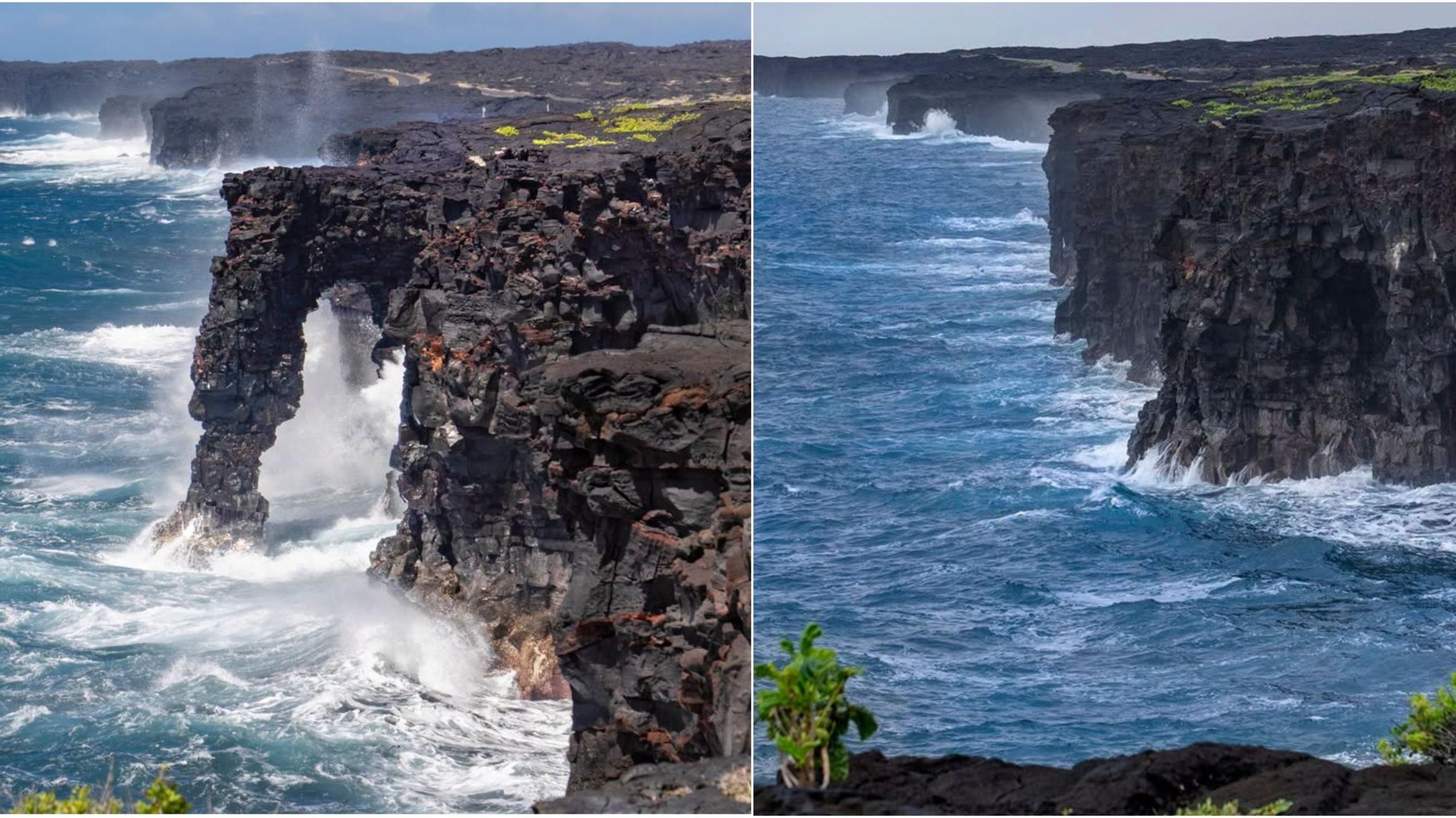
Hawaii’s historic Hōlei Sea Arch, a lava‑rock formation standing 90 feet tall for more than 550 years, fell into the Pacific Ocean between September 23 and 27. The NPS confirmed the collapse after waves and the station’s recent Tropical Storm Nolo. The arch, located along Chain of Craters Road on the Big Island, has long been a photographed icon, yet the park had warned of its eventual demise. The incident underscores the resilience and constant change of volcanic landscapes, prompting reflections from locals and tourists alike. As the sea roars beneath, the arch’s footprint will gradually settle, awaiting a new natural wonder to replace it.
Hawaii’s treasured lava‑rock marvel, the Hōlei Sea Arch, was a 90‑foot tall pillar that had emerged from the island’s volcanic cliffs more than five‑hundred years ago.
The arch, which had become an Instagram favorite and a must‑see stop for visitors driving the Chain of Craters Road, collapsed into the Pacific Ocean sometime between the morning of September 23 and the afternoon of September 27, according to the National Park Service (NPS).
A NPS spokesperson explained, “A 10‑year‑old inspection revealed cracks that were deepening. The forces from the 2018 volcanic slump, the relentless pounding of waves, and a recent tropical storm likely propelled the final break.”
In 2021, the park issued a warning that the arch would eventually crumble, remarking that “other formations will replace it as the cliff slowly migrates inland.”
Local residents and photographers took to social media to mourn the loss, with comments ranging from nostalgic tributes to philosophical reflections on impermanence.
The collapse marks another chapter in the Big Island’s dynamic landscape, illustrating how volcanic and seismic activity continually reshape Hawaii’s dramatic coastlines.


