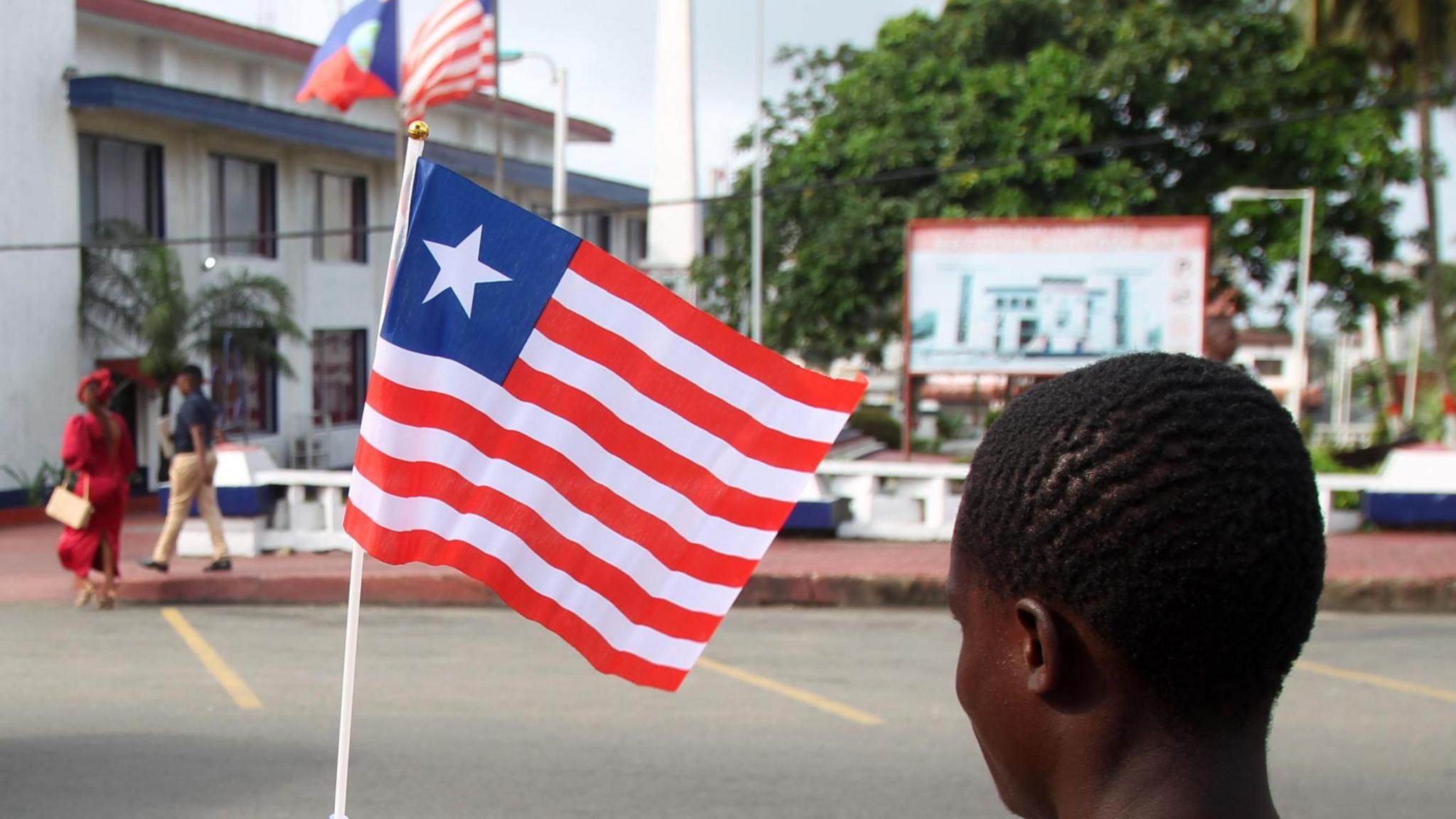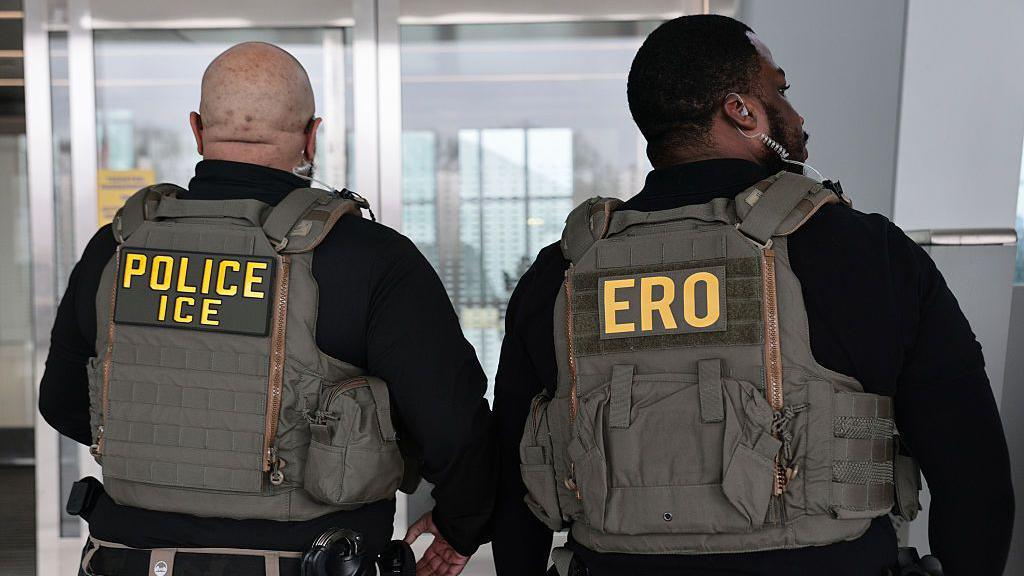
In a burgeoning case that opposes the U.S. government's immigration stance, attorneys argue that the deportation of Kilmar Abrego Garcia to Liberia raises significant due process concerns. Following a controversial and incorrect initial deportation to El Salvador earlier this year which garnered national attention, U.S. officials are claiming a renewed effort to send Garcia to Liberia and are seeking judicial approval for this action.
Garcia's situation has turned into a focal point of pushback against President Donald Trump's immigration policies. His lawyers assert that the government is pursuing his deportation as retaliation for his successful challenge against the previous order that aimed to send him back to El Salvador, where he faces threats to his safety.
The motion filed in U.S. District Court in Maryland states that the government has garnered assurances from the Liberian government regarding Garcia's safety upon return, despite his claims of potential risk. His legal team counters that such assurances should not negate the individual’s rights to due process.
Furthermore, Garcia's lawyers indicate that he has signaled willingness to be deported to Costa Rica instead, declaring that this contradicts the government's current stance on sending him elsewhere. They cite the ongoing deportation efforts as a violation of due process rights, which should afford him the opportunity for proper legal recourse.
Moreover, the proceedings have significant implications on how due process is defined for non-citizens in the U.S. context. Garcia's defense emphasizes that his established family ties in the U.S. should afford him more protection against deportation than typically granted to individuals illegally entering the country.
As part of the legal proceedings in Tennessee, Garcia faces additional challenges with separate human smuggling charges, where he maintains his innocence citing that the accusations stem from selective prosecution. A hearing regarding this complaint is scheduled for December 8, further complicating his ongoing immigration battles.
Garcia's situation has turned into a focal point of pushback against President Donald Trump's immigration policies. His lawyers assert that the government is pursuing his deportation as retaliation for his successful challenge against the previous order that aimed to send him back to El Salvador, where he faces threats to his safety.
The motion filed in U.S. District Court in Maryland states that the government has garnered assurances from the Liberian government regarding Garcia's safety upon return, despite his claims of potential risk. His legal team counters that such assurances should not negate the individual’s rights to due process.
Furthermore, Garcia's lawyers indicate that he has signaled willingness to be deported to Costa Rica instead, declaring that this contradicts the government's current stance on sending him elsewhere. They cite the ongoing deportation efforts as a violation of due process rights, which should afford him the opportunity for proper legal recourse.
Moreover, the proceedings have significant implications on how due process is defined for non-citizens in the U.S. context. Garcia's defense emphasizes that his established family ties in the U.S. should afford him more protection against deportation than typically granted to individuals illegally entering the country.
As part of the legal proceedings in Tennessee, Garcia faces additional challenges with separate human smuggling charges, where he maintains his innocence citing that the accusations stem from selective prosecution. A hearing regarding this complaint is scheduled for December 8, further complicating his ongoing immigration battles.