
In brief
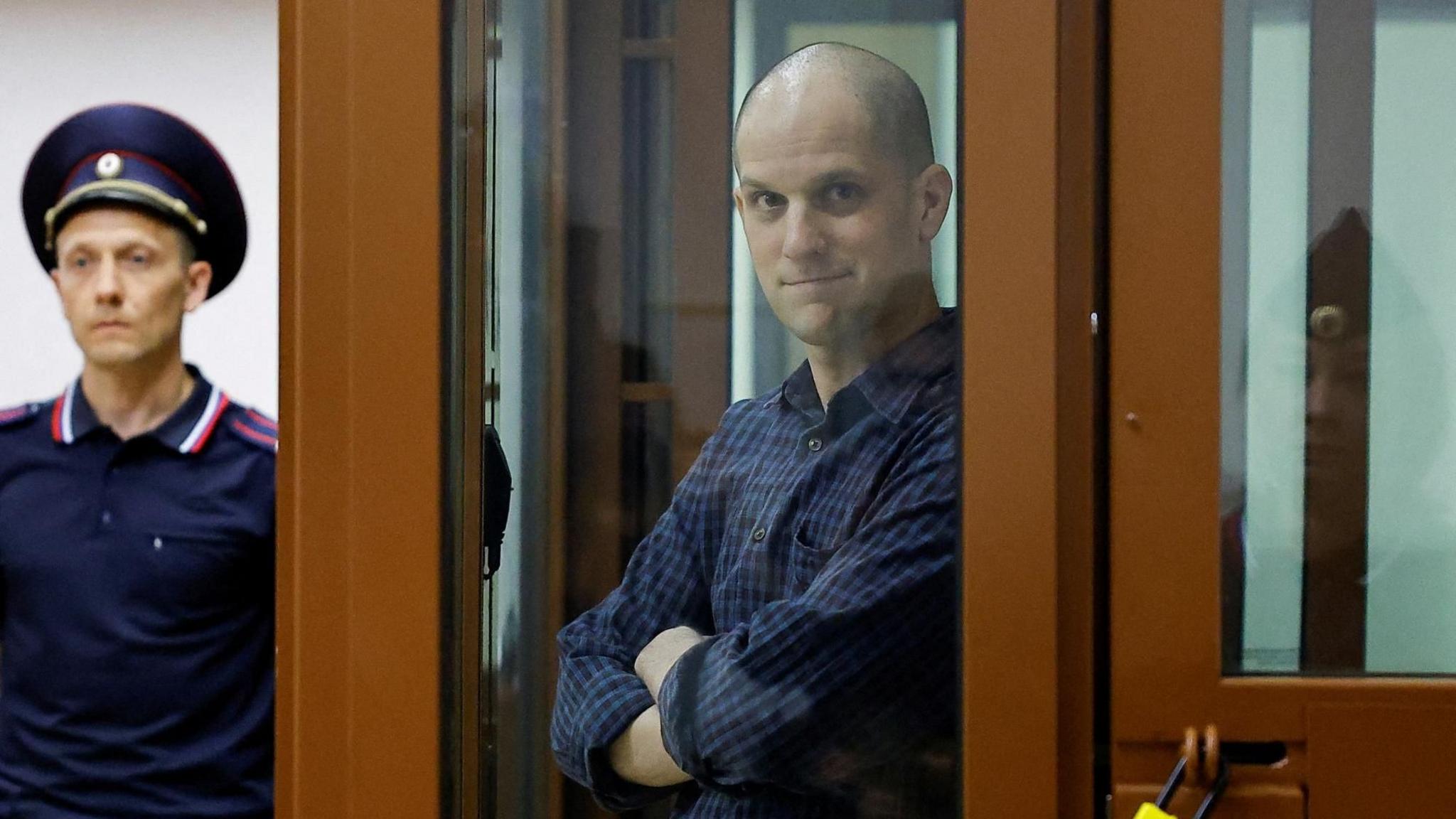
In 2023, Evan Gershkovich, Wall Street Journal's Moscow correspondent, was led into a staged arrest in a Yekaterinburg restaurant, where FSB agents accused him of espionage. He spent 16 months inside Russia’s Lefortovo jail, describing the experience as a calculated political theater rather than genuine persecution. In August 2024 he was released in a high‑profile prisoner swap that exchanged him for a Russian assassin held abroad. Gershkovich says the swap was part of Moscow’s strategy to use him as leverage in U.S.–Russia negotiations, and he now reflects on the psychological toll and uncertain future in Russia.
On 31 October 2023, Wall Street Journal correspondent Evan Gershkovich stepped into a seemingly normal restaurant in Yekaterinburg. Masked FSB officers surrounded him and, without any interrogation or torture, arrested him on charges of espionage, confirming his earlier suspicion that he had been lured into a pre‑planned trap.
Gershkovich has said the experience felt less like a legitimate criminal case and more like a diplomatic maneuver. He described how the lack of usual coercive tactics signalled that Moscow viewed him as a valuable bargaining chip, not a genuine threat.
He spent almost eighteen months inside Russia’s notorious Lefortovo jail, a facility with a reputation for severe conditions. In his own words, the confinement was "really isolating," yet he noted the basic necessities—food, sleep and occasional legal visits—were met.
On 1 August 2024, a high‑profile prisoner swap released Gershkovich in exchange for a Russian assassin serving a life sentence in Germany. The exchange drew global attention, featuring Biden and Harris on a Times Square billboard and conveying the U.S. government’s willingness to recover the journalist.
Now based in Berlin, Gershkovich reflects on the psychological toll of the ordeal and the uncertain prospects of returning to Russia. He acknowledges a potential future that depends on the political climate post‑Putin, emphasising that redemption in Russia’s next administration remains unclear.
