
In brief
In south‑western France, the body of Lyhanna, an 11‑year‑old victim of a brutal murder, was laid to rest in Fleurance after a wave of public anger. The case reveals a series of police oversights that allowed suspect Jérôme Barella to remain free until his arrest last week. Police claims and investigative practices were called into question, leading the French Justice Minister to defend the system while calls for reform grow. The incident has intensified debate over handling of sex‑crime cases and the adequacy of the justice system.
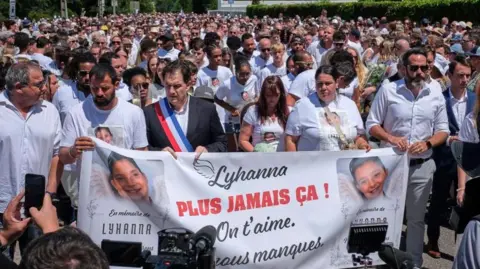
The funeral of 11‑year‑old Lyhanna, who was murdered two weeks ago in the town of Fleurance, took place amidst growing public frustration over the police operations that allowed suspect Jérôme Barella to stand free until his arrest last week.
Residents of Fleurance gathered with Lyhanna’s family to lay her to rest in the local cemetery, 50 km west of Toulouse. The town’s mayor and other officials from the Gers region called for community solidarity, and local town halls flew flags at half‑mast to honour the girl.
Barella, a 41‑year‑old man with a history of alleged sexual abuse, was not interrogated by investigators until almost a year after the disappearance. He had been named as a suspect in August 2025 over the rape of a 10‑year‑old girl, yet no action was taken, according to data released by French authorities.
United States officials alerted French police to Barella’s online activity, which included images of child sexual abuse. French police discovered this only after a warrant search was executed following Barella’s arrest last week.
The case has opened a broader debate about the French justice system’s handling of sexual crimes. Justice Minister Gérald Darmanin defended the system, claiming that the failures stemmed from mis‑prioritisation rather than lack of resources. Meanwhile, Prime Minister Sébastien Lecornu pledged reforms, including harsher sentences for child rapists and stricter investigation timelines.
Activist groups have called for comprehensive new legislation covering sexual violence against women and children, and for significant budget allocations to enforce these laws.
The ongoing investigation into Barella and his family members, including his brother Yannick and father Joël, underscores the urgent need to address systemic gaps in France’s protection of minors.